


Winter moisture control
In late fall, move pots under a deep eave or cold frame so snow and winter rain cannot saturate them, since this species needs almost dry conditions when fully dormant to avoid root rot.

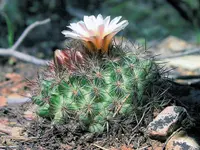
The mountain ball cactus, Pediocactus simpsonii, is a small, hardy cactus native to high-elevation regions of the western United States. It forms low, rounded clumps with tight spines that protect the stem from cold and intense sun.
In spring, it often produces short-lived but showy flowers in shades of pink, purple, or white near the plant top. Its slow growth and long life span make it a good choice for collectors with some cactus experience.
This species tolerates freezing temperatures and strong light but is sensitive to excess moisture and poorly drained soil. Understanding how to care for mountain ball cactus starts with providing very sharp drainage and avoiding prolonged humidity.

Care Difficulty
Hard Care

Light Preference
Full Sun

Water Requirements
Low Water

Temperature Preference
Cold Hardy

Hardiness Zone
4–8

Soil Texture
Sandy, Loamy, Rocky

Soil pH
Slightly acidic (6.5–7.0), Neutral (7.0)

Soil Drainage
Well-drained

Fertilization
Minimal (feed rarely)
Scan your plant to receive care tips personalized for your specific plant
Available on iOS and Android
This high-elevation cactus needs strong sun but benefits from some protection in extreme heat.
This species is highly drought tolerant and must dry well between waterings to avoid root loss.
This cold-hardy cactus tolerates a wide temperature range but needs specific conditions to stay healthy long term.
This high-elevation cactus prefers very dry air and usually needs no special humidity care indoors.
This species needs an extremely fast-draining, mineral-rich substrate that stays dry most of the time.
This species adapts well to container growing when the pot strongly favors fast drying of the root zone.
This high-elevation cactus needs very little feeding, but light nutrition can support growing mountain ball cactus in pots.
Pediocactus simpsonii needs almost no pruning beyond basic sanitation.
Container plants and garden clumps should be disturbed as little as possible to avoid root damage.
This species is usually propagated from seed and can be challenging for beginners.
This cold-hardy cactus tolerates substantial frost but still benefits from thoughtful winter management.

Plant Health Check
Not sure what's wrong with your plant? Check your plant's health inside the app.
This species survives prolonged snow cover and subfreezing temperatures in the Rocky Mountains by remaining mostly underground and contracting its stem to reduce exposure to cold, dry air.
It often flowers very early in spring, sometimes while patches of snow are still present, taking advantage of brief alpine moisture before summer drought sets in.
The plant frequently grows almost at soil level, partly buried among gravel or rock chips, which helps protect it from herbivores, wind abrasion, and extreme temperature swings.

This cactus naturally occurs at some of the highest elevations recorded for any North American cactus, with populations documented above tree line in parts of the central Rocky Mountains, where few other cacti can survive.
Flowering often fails if the plant does not receive a cool, dry winter rest or enough high light in spring. Overfertilizing, frequent repotting, or using rich, moisture-retentive soil can also reduce bud formation and flower quality.
Keep your plants happy and healthy with plant identification, disease detection, and easy care guidance.

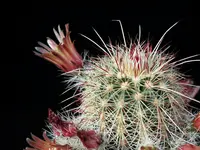
brownspine hedgehog cactus
Echinocereus russanthus
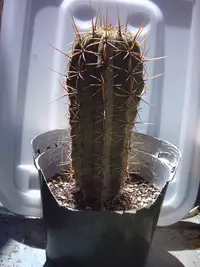
Sacred Column Cactus
Trichocereus macrogonus
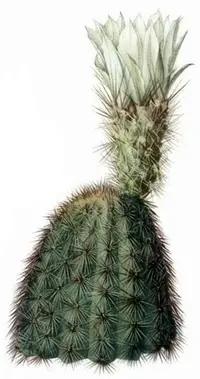
San Esteban hedgehog
Echinocereus grandis
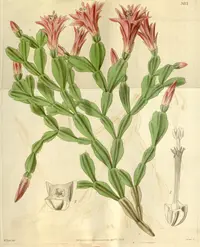
Schlumbergera russelliana
Schlumbergera russelliana
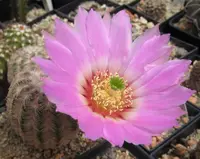
lace hedgehog cactus
Echinocereus reichenbachii
Mammillaria polythele
Mammillaria polythele
Silken Pincushion Cactus
Mammillaria bombycina
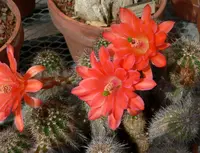
Mojave mound cactus
Echinocereus polyacanthus