Agave chiapensis Care

Agave chiapensis

About Agave chiapensis

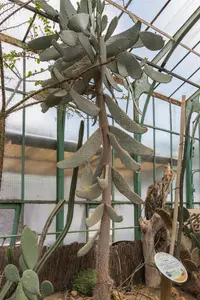
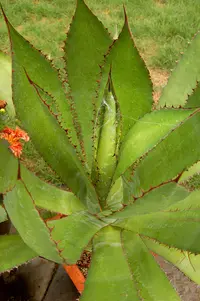
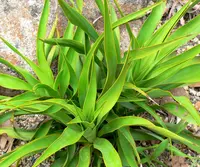
Agave chiapensis is a medium-sized rosette-forming succulent native to the Mexican state of Chiapas. It typically grows with broad, fleshy leaves arranged in a dense, symmetrical rosette. The leaves are usually green to bluish-green with small marginal teeth and a sharp terminal spine, giving the plant a strong architectural look. In nature, it occurs on rocky slopes and dry habitats, which shape its preference for bright light and well-drained soil. Once established, it is quite drought tolerant and generally slow growing, which makes it relatively straightforward to care for Agave chiapensis for patient growers.

Main Plant Requirements

Care Difficulty

Moderate Care

Light Preference

Full Sun

Water Requirements

Low Water

Temperature Preference

Tropical / Frost Sensitive

Hardiness Zone

10–11

Soil Texture

Sandy, Loamy, Rocky

Soil pH

Slightly acidic (6.5–7.0), Neutral (7.0)

Soil Drainage

Well-drained

Fertilization

Minimal (feed rarely)

Get Personalized Care Plan

Scan your plant to receive care tips personalized for your specific plant

Available on iOS and Android

How to Care for the Agave chiapensis

This species prefers bright, mostly direct sun with some protection from harsh extremes.

  • Provide 6–8 hours of direct sun daily, ideally with morning sun and light afternoon shade in very hot, dry climates to avoid leaf scorch.
  • Young or newly planted Agave chiapensis benefits from filtered light or 2–4 hours of direct morning sun until roots establish, then can handle stronger exposure.
  • In areas with cloudy winters, choose the sunniest spot available; in intense summer sun, monitor for bleaching or crispy leaf tips and increase light shade if needed.

This agave is drought-tolerant and needs deep but infrequent watering in fast-draining soil.

  • Water only when the top 5–8 cm of soil are completely dry, soaking the root zone once, then letting all excess drain away.
  • In spring and summer, expect to water more often during hot, dry spells; in fall and winter, reduce or stop watering outdoors if rains keep the soil dryish between events.
  • Watch for yellowing, soft leaves and a rotten base as signs of overwatering, while curling, wrinkling, or folding leaves indicate the plant needs a thorough drink.

This plant prefers warm, arid to semi-arid conditions and dislikes prolonged cold or humidity.

  • Aim for daytime temperatures of 70–90°F (21–32°C) for active growth, with cooler nights improving stress tolerance and coloration.
  • Protect from frost; brief dips to 28–30°F (-2 to -1°C) may be survived if soil is very dry, but damage increases sharply below this range, especially in wet conditions.
  • In heat waves above 100°F (38°C), ensure extra airflow and light afternoon shade to prevent leaf burn and heat stress, especially for young or newly transplanted plants.

This species handles low humidity well and rarely needs special humidity management indoors.

  • Ideal humidity is 30–50% to mimic its dry native habitat.
  • Dry household air is usually acceptable, but combined with intense heat it can cause leaf tip browning.
  • Persistent curling, dull leaves, or slow recovery after watering can signal combined humidity and heat stress.
  • If air is extremely dry and hot, increase local humidity slightly by grouping plants rather than misting.

This agave prefers very fast-draining, mineral-based soil to prevent root and crown rot.

  • Use a gritty mix: 50–70% inorganic material such as pumice, perlite, coarse sand, or small gravel, with 30–50% low-organic cactus mix.
  • Aim for a loose, open texture that allows water to pass through in seconds while leaving air gaps around roots.
  • A slightly acidic to neutral pH around 6.0–7.0 supports nutrient availability without encouraging rot.
  • Avoid peat-heavy, compact, or moisture-retentive mixes; amend with extra pumice or coarse sand to improve drainage and aeration for Agave chiapensis.

This species grows well in containers when the pot and substrate manage excess water efficiently.

  • Choose a wide, heavy pot to counteract the rosette’s top-heavy form and prevent tipping in wind or on balconies.
  • Select unglazed terracotta if possible, as its porous walls help water evaporate faster from the root zone.
  • Ensure the container depth allows a shallow but spreading root system, leaving extra lateral space for offset production without crowding the crown.

This species grows on poor, rocky soils and Agave chiapensis needs only modest feeding in cultivation.

  • Use a low-strength balanced fertilizer (around 10-10-10) or cactus-specific formula during active growth in spring–summer.
  • Apply at 1/4–1/2 label strength every 6–8 weeks for container plants; in-ground plants often need none.
  • Avoid high-nitrogen products that cause soft, weak tissue and reduce drought tolerance.
  • Do not feed in fall–winter, when growth slows and roots are less active.

Pruning needs are minimal and focus on safety and sanitation for Agave chiapensis.

  • Carry out pruning in late spring or summer when growth is active and wounds dry faster.
  • Remove only dead, diseased, or badly damaged leaves; leave healthy outer leaves to maintain energy reserves.
  • Use long-handled, sharp pruners and protective gloves to avoid injury from spines and leaf edges.
  • Cut close to the base without damaging the central rosette to preserve natural form and future flowering.

Container-grown plants of this slow species rarely need moving, but thoughtful repotting keeps them stable and healthy.

  • Repot every 3–5 years or when roots circle the pot, emerge from drainage holes, or growth slows noticeably.
  • Choose late spring, once nights are consistently mild, to reduce transplant shock for Agave chiapensis.
  • Step up only 2–5 cm in pot diameter, using a fast-draining cactus mix with added mineral grit.
  • Loosen circling roots gently, keep the crown above soil level, and withhold water for 3–5 days after repotting.

Propagation of this agave is usually done from offsets, with seeds used mainly by collectors and nurseries.

  • Detach basal offsets in late spring–early summer once they have a visible root system and firm leaves.
  • Use a clean knife to separate pups, then allow cut surfaces to dry and callus for 3–7 days in shade.
  • Plant offsets in a very gritty cactus mix, keep slightly dry, and provide bright, indirect light for rooting.
  • Sow seeds on the surface of sterile, sandy mix at 70–80°F and maintain lightly moist but never wet conditions.

This species dislikes prolonged cold and needs thoughtful winter management in most temperate climates.

  • Treat Agave chiapensis as a tender plant where temperatures drop below 25°F, especially in wet climates.
  • For in-ground specimens, ensure perfect drainage and apply a light gravel mulch to keep the crown dry.
  • Move containers under cover before hard frost, providing bright light and cool, dry air.
  • Water very sparingly in winter to avoid root rot in cold, low-light conditions.

Care Tips

Protect leaf rosettes

Plant on a slight mound or in a sloped bed so water drains away from the rosette center, which helps prevent rot in heavy rains or poorly draining landscapes.

Use mineral mulch

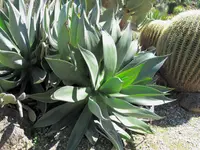
Top-dress the root zone with 2–5 cm of coarse gravel or crushed rock instead of organic mulch to keep the crown dry, suppress weeds, and reduce slug and snail activity.

Plan for mature size

Space plants so the full rosette can expand without crowding (often 60–100 cm across) to reduce mechanical damage to leaves and to allow air circulation around the base.

Handle safely

Wear thick gloves and long sleeves when repotting or removing offsets, and use tongs to grip the leaf bases to avoid injury from the stiff, sharp spines.

Manage offsets early

Remove pups when they reach 10–15 cm wide by cutting them off with a clean, sharp knife at the base, which maintains a single strong specimen and provides healthy material if you want to grow Agave chiapensis from division.

Common Pests and Diseases

Agave snout weevil

This pest bores into the base of the rosette and lays eggs, leading to internal feeding damage and collapse of the plant. Symptoms include yellowing, wilting, and a foul-smelling, mushy crown that may cause the rosette to topple over.

Solution

Remove and destroy any infested plants, including as much of the root system as possible, to limit spread. For remaining healthy plants, avoid wounding the base, keep the soil well-drained, and in areas with a known history of this pest, consider a targeted systemic insecticide drench in spring according to label directions.

Soft scale

These insects attach to leaves and the lower leaf surfaces, appearing as small, rounded bumps that excrete sticky honeydew. Symptoms include sooty mold growth on the honeydew, reduced vigor, and yellowing patches on the foliage.

Solution

Physically remove scales by gently scrubbing with a soft brush or cloth dipped in diluted insecticidal soap or horticultural oil, focusing on the undersides of leaves. Repeat treatments every 7–14 days until new growth appears clean, and ensure the plant receives strong light and good airflow to reduce reinfestation when growing Agave chiapensis outdoors or indoors.

Agave mite

This pest is microscopic and lives in the leaf axils and between tightly packed leaves, causing twisted growth, scarring, and distorted or stunted new leaves. Symptoms include corky streaks, sunken lines, and sometimes necrotic patches where leaves meet the core.

Solution

Remove and discard severely deformed leaves or entire plants if damage is advanced, as these mites are difficult to eliminate once established. For valuable specimens, isolate the plant, treat with an appropriate miticide labeled for eriophyid or broad mites, and avoid overhead watering that keeps the crown wet and favors mite spread.

Anthracnose leaf spot

This disease causes tan to dark brown, sometimes sunken spots on leaves, often with darker margins and occasional yellow halos. Symptoms include coalescing lesions that can weaken leaves and create entry points for secondary decay.

Solution

Prune and discard affected leaves, sterilizing cutting tools between cuts, and keep the rosette as dry as possible by watering at the soil level rather than over the foliage. Improve spacing and airflow around the plant, and in humid climates consider a copper- or chlorothalonil-based fungicide applied according to label directions at the first sign of spotting.

Interesting Facts

Chiapas dry-forest native

This species is naturally restricted to seasonally dry forests and rocky slopes of Chiapas, Mexico, where it grows among shrubs and small trees rather than in fully open desert habitats.

Broad, flexible leaves

Compared with many other agaves, this species develops unusually broad, somewhat flexible leaves with a glossy surface and relatively fine marginal spines, giving it a softer visual appearance despite still being armed.

Clumping rosette habit

Instead of forming a single large rosette only, this plant often offsets at the base, creating loose clumps of multiple rosettes that help stabilize shallow, rocky soils in its native range.

Botan icon

Did you know?

In its native habitat, this species can take many years to reach maturity, then produces a tall flowering stalk once in its lifetime and dies afterward, but its earlier clumping habit allows the colony to persist through its numerous offsets after the original rosette has flowered.

FAQs about Agave chiapensis

Brown tips or edges usually result from prolonged drought, intense reflected heat, or salt and fertilizer buildup in the soil. Check for extremely dry substrate, strong heat from nearby hardscape, and reduce or flush excess fertilizer if recently applied.

Grow Healthy Plants with Botan Care

Keep your plants happy and healthy with plant identification, disease detection, and easy care guidance.

Botan plant care app — identify plants on mobile

Explore More Plants