Strategic pot placement
Position the container slightly tilted or on a low mound of gritty mix so stems can arch outward naturally, making flowers more visible and reducing rot risk at the crown after summer storms.

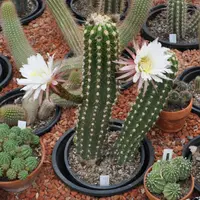
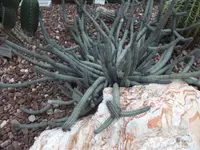
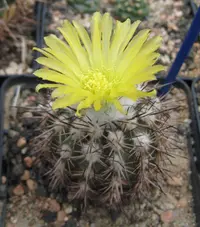
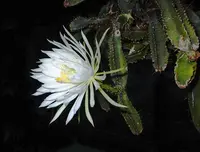
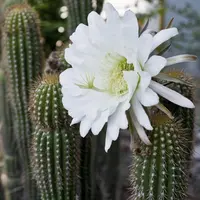
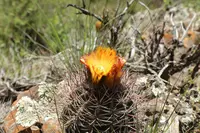
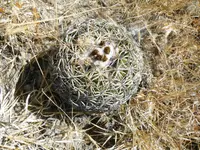
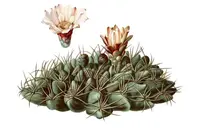
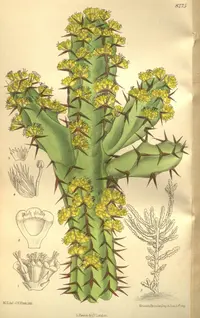
Soehrensia candicans is a columnar cactus from arid regions of Argentina, forming clumps of upright, ribbed stems with prominent spines. In maturity, it produces large, showy white flowers, often opening at night. This species grows slowly but becomes a striking architectural specimen in pots or desert-style gardens. It tolerates heat, sun, and drought well, which makes it relatively simple to manage once its basic needs are understood. Knowing how to care for Soehrensia candicans mainly involves providing strong light, very well-drained mineral soil, and avoiding prolonged cold and excess moisture.

Care Difficulty
Easy Care

Light Preference
Full Sun

Water Requirements
Low Water

Temperature Preference
Warm Climate

Hardiness Zone
8–10

Soil Texture
Sandy, Loamy, Rocky

Soil pH
Slightly acidic (6.5–7.0), Neutral (7.0)

Soil Drainage
Well-drained

Fertilization
Minimal (feed rarely)
Scan your plant to receive care tips personalized for your specific plant
Available on iOS and Android
This cactus thrives in strong light but benefits from some protection in intense afternoon sun.
This species prefers infrequent, deep watering followed by thorough drying of the soil.
This cactus is adapted to warm, dry climates with cool but not severely cold nights.
Humidity is not a major factor for Soehrensia candicans, which thrives in dry air typical of heated or air-conditioned homes.
This cactus needs a sharply draining, mineral-based mix to prevent root rot and mimic its rocky native habitat.
This species is well suited to container growing, including patios and bright outdoor spaces.
This cactus grows well in lean soil but benefits from light feeding in active growth.
This species needs minimal pruning, focused on cleanliness and safety.
This cactus is slow growing and dislikes frequent disturbance, so repot or transplant only when clearly necessary.
Propagation is usually done by offsets or seed under warm, bright, and dry-leaning conditions.
This cactus is relatively cold tolerant when dry but needs some winter management in colder climates.

Plant Health Check
Not sure what's wrong with your plant? Check your plant's health inside the app.
This species opens its large white flowers at night and into early morning, aligning with the activity of nocturnal moths and crepuscular bees that act as its main pollinators in its native range.
It is native to arid and semi-arid foothill regions of Argentina, where it tolerates high light, large daily temperature swings, and seasonal droughts by storing water in its thick, ribbed stems.
The blooms produce a pronounced, sweet fragrance that helps guide nighttime pollinators to the flowers over relatively long distances in open, sparsely vegetated landscapes.

In mature specimens, the stems can form large clumping mounds several meters across in habitat, creating structural microhabitats that shelter small reptiles and invertebrates from extreme heat and direct sun.
Lack of blooms usually comes from insufficient light, a pot that is too small, or the plant being too young. Cool, dry winter rest and avoiding high-nitrogen fertilizer also help trigger strong flowering in spring or early summer.
Keep your plants happy and healthy with plant identification, disease detection, and easy care guidance.