Gymnocalycium mostii Care

Gymnocalycium mostii

About Gymnocalycium mostii

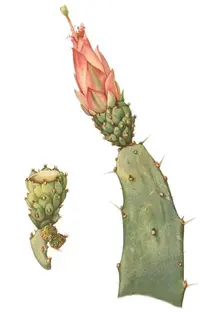
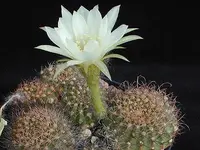
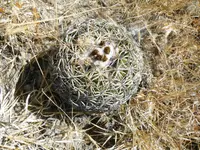
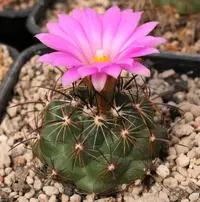
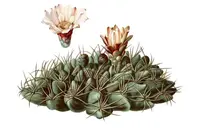
Gymnocalycium mostii is a small, globular cactus known for its ribbed, blue-green body and showy, pale pink to white funnel-shaped flowers. Plants typically stay compact, forming single heads rather than large clusters.

This species is native to central Argentina, where it grows in rocky, well-drained habitats with strong light and brief rain events. Its slow growth, drought tolerance, and modest size make it suitable for containers and windowsills.

For many growers, the main appeal is its reliable flowering and relatively forgiving nature once basic needs are met. In practice, how to care for Gymnocalycium mostii centers on providing bright light, fast-draining mineral soil, and careful watering to avoid rot.

Main Plant Requirements

Care Difficulty

Moderate Care

Light Preference

Partial Sun

Water Requirements

Low Water

Temperature Preference

Warm Climate

Hardiness Zone

10–11

Soil Texture

Sandy, Loamy, Rocky

Soil pH

Slightly acidic (6.5–7.0), Neutral (7.0)

Soil Drainage

Well-drained

Fertilization

Minimal (feed rarely)

Get Personalized Care Plan

Scan your plant to receive care tips personalized for your specific plant

Available on iOS and Android

How to Care for the Gymnocalycium mostii

This cactus prefers bright light with some protection from intense midday sun.

  • Provide 4–6 hours of direct morning sun plus bright, filtered light for the rest of the day, especially in summer, to support compact, healthy growth in Gymnocalycium mostii.
  • Allow light shade or dappled light in hot climates; strong afternoon sun can scorch the epidermis, causing pale patches or brown scars on the ribs.
  • In winter, maximize light with an unshaded south- or west-facing exposure; slow, slightly elongated growth indicates it needs more light, while a hard, bleached surface suggests excess sun.

This cactus needs thorough but infrequent watering in fast-draining soil.

  • Use a gritty, sharply draining cactus mix; water only when the top 3–5 cm of soil are completely dry to prevent root rot and blackened stem tissue.
  • During active growth in spring and summer, water deeply until excess drains away, then let the soil dry fully; slight wrinkling of ribs signals it is ready for the next watering.
  • In autumn, reduce watering, and in winter keep almost dry, giving only a light drink if the plant shrivels, as constant moisture in cool conditions quickly leads to soft, yellowing tissue.

This species prefers warm days, cool nights, and strict frost protection.

  • Aim for 70–85°F (21–29°C) during the growing season, with slightly cooler nights to support steady growth and flowering.
  • Protect from frost; short dips to 40°F (4°C) are usually tolerated if completely dry, but growth stops below about 55°F (13°C) and repeated freezing can kill roots and tissues.
  • In very hot weather above 95°F (35°C), provide light shade and good airflow; avoid enclosed, airless spots where heat buildup and warm, wet soil increase rot risk for Gymnocalycium mostii.

This cactus handles household humidity easily and rarely needs special humidity management.

  • Target 30–50% humidity, similar to typical indoor air, without deliberate humidification.
  • Dry air is well tolerated; persistent humidity above 60% greatly raises rot risk at the base and roots.
  • Watch for corky brown patches or blackening at the soil line as signs of excess humidity combined with poor air movement.

Gymnocalycium mostii needs a very fast-draining, mineral-rich substrate to prevent root rot.

  • Use a gritty, sandy mix, such as 40% cactus potting mix with 60% mineral material like pumice, coarse sand, and fine gravel.
  • Aim for slightly acidic to neutral pH around 6.0–7.0, which supports nutrient uptake without stressing roots.
  • Improve aeration by avoiding peat-heavy mixes and adding chunky particles that create air pockets around the root system.
  • Avoid compacted, water-retentive, or clay-based soil, which holds moisture around the base and encourages rot and fungal problems.

This species is very suitable for container growing when drainage is carefully managed.

  • Choose a wide, shallow pot that matches the shallow root system, which helps the root ball dry evenly after watering.
  • Select unglazed terracotta if extra evaporation is needed in cooler homes, as it allows water to leave through the pot walls.
  • Raise the pot slightly on feet or mesh to keep drainage holes clear and ensure water exits quickly after each watering.

This cactus benefits from modest feeding during active growth but is sensitive to excess salts and rich soil amendments.

  • Use a diluted balanced liquid fertilizer (around 10-10-10 or 20-20-20) at 1/4–1/2 strength, formulated for cacti and succulents.
  • Feed Gymnocalycium mostii every 4–6 weeks from late spring to late summer when growth is visible.
  • Avoid compost or heavy organic mixes that hold moisture and increase rot risk in the roots.
  • Stop feeding in fall and winter to allow a cool, dry rest period and support proper flowering next season.

This species needs almost no pruning, as the stem maintains its form naturally and old flowers dry cleanly.

  • If necessary, remove only dead, diseased, or badly scarred tissues using a sharp, disinfected knife.
  • Trim mushy or rotting areas promptly, cutting back to firm, healthy tissue to prevent spread of rot.
  • Cut off unsightly or excess offsets at the base to improve shape or for propagation, avoiding large wounds.
  • Perform any corrective work in late spring or early summer, when healing is faster in warm, dry conditions.

Repotting is infrequent but important to maintain drainage and prevent root binding in this slow-growing cactus.

  • Check for roots circling the pot, poor drainage, or slowed growth as signs a larger container is needed.
  • Plan to repot every 3–4 years in late spring, just before the main growing period begins.
  • Use a slightly wider pot with excellent drainage and a gritty cactus mix, handling the rootball gently.
  • Let roots dry for 1–2 days after repotting, then water lightly to reduce stress and encourage new root growth.

Propagation is usually done by seeds or by removing offsets when present, allowing slow but stable population increase.

  • Sow fresh seed in spring on a sterile, very well-drained cactus mix, barely covering the seeds.
  • Maintain 70–80°F, bright indirect light, and consistently lightly moist substrate until germination.
  • For offsets, detach in warm, dry weather, letting cut surfaces callus for several days before planting.
  • Place propagated material in small pots, water sparingly at first, and increase watering only after firm rooting.

This cactus prefers a cool, very dry winter rest and has limited frost tolerance, especially in containers.

  • Avoid exposure to prolonged frost; brief light frosts may be tolerated only if the soil stays completely dry.
  • For pots, move plants indoors or into a cold greenhouse before temperatures drop below about 35°F.
  • Provide bright light and 40–50°F conditions in winter to encourage flower bud formation.
  • Keep the substrate dry through winter, resuming light watering only when temperatures and growth rise in spring.

Care Tips

Pot size control

Use a pot only 1–2 in wider than the root ball to prevent excess wet substrate, and repot only when roots visibly circle the pot or emerge from drainage holes.

Mineral top dressing

Apply a thin layer of coarse grit, pumice, or small gravel on the soil surface to keep the neck of the plant dry, reduce rot risk, and stabilize the shallow root system.

Summer hardening

Gradually move the plant outdoors in late spring to a bright, sheltered spot and increase sun exposure over 10–14 days to build stronger tissue and more compact growth without sunscald.

Controlled winter rest

Provide a cool, very bright, and almost dry winter period around 45–55°F to encourage flower bud formation and prevent weak, elongated growth the following season.

Pre-emptive pest checks

Inspect the ribs and areoles closely every 2–3 weeks, and at the first sign of mealybugs or scale, isolate the plant and treat with a cotton swab dipped in isopropyl alcohol before infestations spread, which is key when caring for Gymnocalycium mostii.

Common Pests and Diseases

Red spider mites

This pest thrives in hot, dry indoor conditions and feeds on cactus epidermis, causing a dull, rough, and brownish scarred surface on the ribs. Symptoms include fine webbing in areoles and a general loss of the plant’s natural gloss.

Solution

Quarantine the plant, then rinse the body under a strong but gentle stream of lukewarm water and wipe with a soft brush. After cleaning, increase humidity slightly around the plant without wetting the soil surface, improve air movement, and apply a targeted miticide or sulfur-based spray labeled for cacti, repeating as directed until new growth appears clean.

Root mealybugs

These insects live hidden on the roots and in the lower stem tissue, sucking sap and weakening the plant, often causing slow decline and poor growth with no obvious above-soil pests. Symptoms include sudden shriveling despite correct watering and white, cottony clusters on roots when the plant is unpotted.

Solution

Unpot the cactus, discard the old soil, and wash the roots thoroughly in lukewarm water, removing all visible cottony masses. Soak the root zone briefly in an appropriate systemic insecticide solution or use a dilute isopropyl alcohol dip, let the roots dry for 24 hours, then repot into fresh, sterile, very well-draining cactus mix and monitor with sticky traps or follow-up drenches if needed when caring for Gymnocalycium mostii.

Scales

These insects attach tightly to ribs and areoles, appearing as small brown or gray bumps that do not wipe off easily and cause localized yellowing and tissue weakening. This pest is more frequent on older, slower-growing specimens kept in low airflow conditions.

Solution

Manually remove visible scales with a cotton swab dipped in 70% isopropyl alcohol, working carefully between ribs and around areoles. After mechanical removal, improve light and air circulation, then apply a horticultural oil or systemic insecticide labeled for succulents, repeating at intervals to kill newly emerged crawlers.

Fusarium stem rot

This disease enters through small wounds or old areoles and causes internal tissue to turn brown to reddish and soft, often starting near the base and moving upward. Symptoms include localized soft spots, depressed areas on the stem, and sometimes pinkish or whitish fungal growth in advanced cases.

Solution

At an early stage, cut out all affected tissue with a sterile blade until only firm, clean flesh remains, then let the plant dry and callus in a warm, airy place before replanting in fresh, dry substrate. Long term management relies on avoiding stem injuries, keeping the soil very well-draining, watering only when the mix is fully dry, and keeping the plant in a bright, well-ventilated position to limit fungal spread.

Corky scab from sun or stress

This physiological disorder develops as dry, brown, corky patches along the ribs, often after abrupt exposure to strong sun or irregular watering following a period of dryness. Symptoms include hardened, bark-like tissue that does not spread once the stress is removed but can permanently mark the stem surface.

Solution

Move the plant to bright but filtered light and then increase sun exposure gradually over 1–2 weeks to prevent further damage. Maintain a stable watering routine by soaking the substrate thoroughly and then allowing it to dry completely, and avoid sudden shifts in temperature or light that can trigger new scab formation.

Interesting Facts

Flood‑plain specialist

This species is naturally restricted to lowland river valleys in Córdoba and San Luis in Argentina, where it grows on periodically moist, silty or clayey soils rather than the very dry, rocky habitats typical of many other cacti.

Distinctive flat ribs

Its stem forms broad, flat ribs with sharp, well-defined edges and relatively widely spaced areoles, giving the plant a somewhat segmented, fluted appearance compared with the more rounded ribs of related species.

Strongly scented flowers

The large, funnel-shaped white to pale pink flowers are known for a noticeable sweet scent that is especially evident in warm, still air, which helps attract pollinating insects in its native habitat.

FAQs about Gymnocalycium mostii

Lack of blooms usually comes from insufficient light, overly frequent watering, or no cool rest in winter. Mature plants need several months slightly cooler and drier to set buds, then brighter conditions and moderate watering when growth resumes.

Grow Healthy Plants with Botan Care

Keep your plants happy and healthy with plant identification, disease detection, and easy care guidance.

Botan plant care app — identify plants on mobile

Explore More Plants