Lobivia ancistrophora Care

Lobivia ancistrophora

About Lobivia ancistrophora

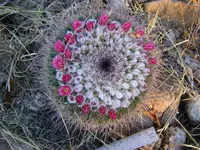
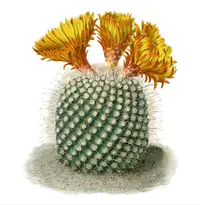
Lobivia ancistrophora is a small, globular cactus from high-altitude regions of Bolivia and northern Argentina. It forms tight, rounded stems with pronounced ribs and short spines.

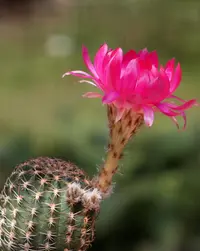
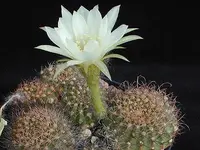
In spring or summer it produces large, showy, funnel-shaped flowers that often appear oversized compared to the compact body. This striking bloom display is one of the main reasons growers value the plant.

The species stays relatively small and grows slowly, which makes it suitable for containers and windowsills. Its drought tolerance and low nutrient needs mean that how to care for Lobivia ancistrophora is mostly about giving strong light, a very free-draining mineral soil, and avoiding overwatering.

Main Plant Requirements

Care Difficulty

Easy Care

Light Preference

Full Sun

Water Requirements

Low Water

Temperature Preference

Warm Climate

Hardiness Zone

9–11

Soil Texture

Sandy, Loamy, Rocky

Soil pH

Slightly acidic (6.5–7.0), Neutral (7.0)

Soil Drainage

Well-drained

Fertilization

Minimal (feed rarely)

Get Personalized Care Plan

Scan your plant to receive care tips personalized for your specific plant

Available on iOS and Android

How to Care for the Lobivia ancistrophora

This compact cactus prefers bright light with some protection from harsh midday sun.

  • Provide 4–6 hours of direct morning sun, then bright filtered light or light shade in early afternoon to prevent scorching of the stem.
  • In very hot, dry climates, give dappled shade from about 12–3 pm; in cooler or coastal areas, Lobivia ancistrophora tolerates longer direct exposure.
  • Watch for signs of stress: pale, elongated growth indicates too little light, while brown, corky patches on the sunny side suggest sunburn.

This species stores water in its stem and needs infrequent but thorough watering.

  • Allow the top 3–5 cm of soil to dry completely before watering, then soak the root zone so excess drains away fully.
  • In spring and summer, expect to water more often during active growth; in fall and winter, reduce sharply, sometimes to once every 3–4 weeks in cool conditions.
  • Use a fast-draining, gritty mix and watch for yellowing, soft or translucent tissue as a sign of overwatering, or deep wrinkling as a sign of underwatering.

This cactus prefers warm conditions but needs a cooler, dry rest in winter to flower well.

  • For active growth, aim for 65–80°F (18–27°C); short peaks up to 90°F (32°C) are tolerated if air is dry and roots are not waterlogged.
  • In winter, a cooler period around 45–55°F (7–13°C), kept almost dry, supports bud formation and overall Lobivia ancistrophora care.
  • Protect from frost; brief dips to 32°F (0°C) may be survived if soil is dry, but sustained freezing or cold combined with wet soil often causes rot.

This cactus tolerates typical indoor humidity and rarely needs special humidity management.

  • Ideal humidity is 30–50%, matching most heated and air-conditioned homes.
  • Dry air is usually harmless; issues arise more from excess moisture around the roots than from low humidity.
  • If stems wrinkle despite correct watering and light, check for drafts or vents and move the plant to a more stable spot.

Lobivia ancistrophora needs a very fast-draining, mineral-rich cactus substrate to prevent root rot.

  • Use a gritty mix such as 50–70% inorganic material (pumice, coarse sand, small gravel, or perlite) blended with 30–50% cactus potting mix.
  • Aim for slightly acidic to neutral pH around 6.0–7.0, which supports nutrient availability without encouraging rot.
  • Improve aeration by using large-grain particles (2–5 mm) and avoiding fine sand or peat-heavy mixes that compact quickly.
  • Avoid dense, moisture-retentive garden soil or pure compost that stays wet for more than 2–3 days after watering.

This species is well suited to container growing.

  • Choose a pot just slightly wider than the plant body to keep the root zone drying evenly between waterings.
  • Select a heavy clay or ceramic container if the plant becomes top-heavy so the pot remains stable and breathes through its walls.
  • Ensure large, unobstructed drainage holes so water exits in seconds, not minutes, after thorough watering.

This cactus has modest nutrient needs but benefits from light feeding during active growth.

  • Use a diluted balanced cactus fertilizer (around 10-10-10) or low-nitrogen succulent feed at 1/4–1/2 strength.
  • Apply every 4–6 weeks in spring and summer when Lobivia ancistrophora is actively growing.
  • Do not fertilize in fall and winter to allow proper dormancy and prevent soft, weak growth.
  • Avoid organic compost in pots; use mineral-based mixes to limit salt buildup and root rot risk.

Pruning needs are minimal and mainly focused on health and safety.

  • Carry out any pruning in late spring or early summer when growth is active.
  • Remove only dead, shriveled, or diseased stems and spent flower remains to reduce rot risk.
  • Use clean, sharp scissors or a knife, cutting close to the base without injuring healthy tissue.
  • Limit cuts to maintain the plant’s natural globular shape and avoid unnecessary stress affecting flowering.

This slow-growing cactus prefers tight pots and infrequent repotting.

  • Repot every 3–4 years, or when roots circle the pot or growth becomes noticeably slower.
  • Choose late spring as the best time, when new growth is starting and recovery is fastest.
  • Use a small pot with drainage holes and a very gritty cactus mix to keep roots aerated.
  • Unpot gently, remove old loose soil, let roots dry 1–2 days if damaged, then replant and keep dry for a week.

Propagation is commonly done from offsets and seeds for healthy new plants.

  • Detach offsets in late spring or early summer, using a sterile knife if needed.
  • Allow cut surfaces to callus for several days in a dry, shaded place before planting.
  • Root offsets in barely moist, gritty cactus mix at 70–80°F with bright, indirect light.
  • For seeds, sow on sterile, fine cactus mix, keep slightly moist, warm, and covered until germination.

Winter care focuses on cool, dry conditions and avoiding freezing temperatures for this cactus.

  • Keep plants at 40–50°F in winter, as Lobivia ancistrophora tolerates brief light frost but not hard freezes.
  • Move containers indoors or to an unheated but frost-free space before prolonged cold spells.
  • Provide maximum light indoors, such as a south-facing window or grow light, to prevent etiolation.
  • Water very sparingly, just enough to stop severe shriveling, and avoid any fertilization in winter.

Care Tips

Pot sizing strategy

Use a shallow, wide clay pot rather than a deep one to accommodate the shallow root system and reduce the risk of water sitting around the taproot base.

Controlled offset removal

Detach offsets with a sterile knife only when they show clear root nubs, then air-dry the cut surfaces for 3–5 days before potting to minimize rot and improve establishment.

Winter rest management

From late fall, keep the plant almost completely dry and in a cool, bright spot so the tissues harden and flower buds form more reliably for spring.

Targeted pest checks

Inspect the woolly areoles and the root neck regularly with a hand lens, since mealybugs and scale often hide at the base where the stem meets the substrate when caring for Lobivia ancistrophora.

Substrate surface dressing

Cover the soil surface with a 0.5–1 cm layer of mineral grit or fine gravel to keep the neck of the plant dry, reduce algae and fungus growth, and stabilize the stem.

Common Pests and Diseases

Red spider mites

This pest thrives on dry, stagnant air around the cactus and causes tiny pale dots, dulling of the skin, and fine webbing at areoles and ribs.

Solution

Increase air movement, rinse the plant thoroughly with a firm stream of water, then treat with a miticidal soap or neem oil spray every 5–7 days until no new damage appears; keep humidity modest and avoid placing the plant right above heaters or in very stuffy windows for long periods when growing Lobivia ancistrophora.

Mealybugs

These insects appear as white, cottony clusters in areoles, at the base of spines, and around roots, sucking sap and weakening growth.

Solution

Isolate the plant, remove visible insects with a cotton swab dipped in 70% isopropyl alcohol, then repeat alcohol or insecticidal soap spot treatments weekly; for severe or recurring cases, unpot the cactus, wash the roots gently, remove any root mealybugs, and repot into fresh, well-draining mix.

Corky scab lesions

Symptoms include rough, brown, cork-like patches on the lower stem that can spread upward if the plant is repeatedly wetted or kept in poor air circulation.

Solution

Improve airflow, water only at the soil level, and allow the substrate to dry between waterings; remove any softened tissue with a sterile blade and keep cuts dry and exposed to air, and avoid misting the plant body to prevent further scab formation.

Fungal stem rot

This disease starts as soft, water-soaked spots, often at the base or on old injury sites, which quickly turn brown or black and may collapse sections of the cactus.

Solution

At an early stage, cut away all affected tissue with a sterile knife until only firm, healthy tissue remains, allow the wound to dry and callus for several days in bright, dry conditions, then replant in a sterile, very free-draining mix; reduce watering and avoid letting water sit around the stem base.

Scale insects

These insects form hard, brown or gray bumps on ribs and around areoles, drawing sap and causing yellowing or stunted growth over time.

Solution

Manually scrape or rub off scales with a soft brush or cloth dipped in 70% isopropyl alcohol, then apply insecticidal soap or a light horticultural oil, repeating every 7–10 days until no new scales appear and monitoring closely around areoles and at the base of the plant.

Interesting Facts

Former name confusion

This species was long known in cultivation as Echinopsis subdenudata, and older literature and plant labels still use that name, which can cause confusion when identifying plants or checking references.

Nocturnal white flowers

It produces large, scented white flowers that open mainly at night or in the evening, a trait linked to moth pollination in its native habitat in Bolivia.

Nearly spineless stems

Unlike many related cacti, this species has small, weak or almost absent spines on its rounded green stems, which makes the body of the plant fully visible and easier to handle.

Botan icon

Did you know?

In habitat, this Bolivian cactus typically grows on rocky slopes at relatively high elevations, where its rounded body shape helps minimize surface area exposed to cold night air while still storing enough water to cope with a highly seasonal, semi-arid climate.

FAQs about Lobivia ancistrophora

Lack of flowers usually comes from insufficient light, overly frequent watering, or no cool, dry winter rest. Older, well-rooted plants bloom more reliably. A slight temperature drop and lean feeding often improve bud formation.

Grow Healthy Plants with Botan Care

Keep your plants happy and healthy with plant identification, disease detection, and easy care guidance.

Botan plant care app — identify plants on mobile

Explore More Plants