Winter rest period
Keep the plant almost completely dry and slightly cooler in late fall and winter to encourage stronger flowering the following spring when caring for Lobivia backebergii.

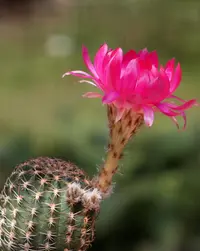
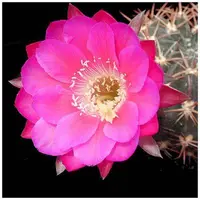
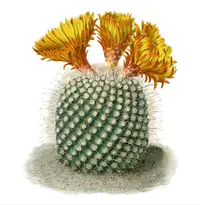
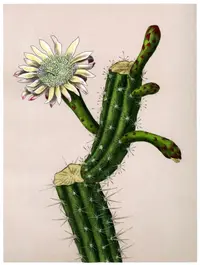
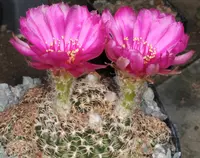
Lobivia backebergii is a small, clumping cactus native to the high Andes of Bolivia and Argentina. It forms low, rounded stems with distinct ribs and short spines. In season, it produces large, showy funnel-shaped flowers, often in bright reds or oranges, that can almost cover the plant. Growth is relatively slow and compact, which suits windowsills and small indoor displays. This species is considered easy to manage for most growers when its basic needs are met. It prefers bright light, low humidity, and very free-draining, gritty soil. Understanding how to care for Lobivia backebergii starts with avoiding excess moisture and giving it plenty of sun.

Care Difficulty
Easy Care

Light Preference
Full Sun

Water Requirements
Low Water

Temperature Preference
Warm Climate

Hardiness Zone
9–11

Soil Texture
Sandy, Loamy, Rocky

Soil pH
Slightly acidic (6.5–7.0), Neutral (7.0)

Soil Drainage
Well-drained

Fertilization
Minimal (feed rarely)
Scan your plant to receive care tips personalized for your specific plant
Available on iOS and Android
This small Andean cactus needs bright, mostly direct light to flower well and stay compact.
This cactus stores water in its stem and needs infrequent but thorough watering in a fast-draining mix.
This species prefers warm days, cool nights, and a dry, chilly rest period in winter.
This cactus prefers dry air and is comfortable in typical indoor humidity around 30–40%.
Lobivia backebergii needs a very fast-draining, mineral-rich mix to prevent root rot.
This species is very suitable for container growing due to its compact root system.
This small cactus benefits from light feeding during active growth but stays healthy with a modest nutrient supply.
This species needs minimal pruning, mostly for hygiene and safety.
Container-grown plants benefit from occasional repotting into fresh, sharply draining mix.
This cactus is commonly propagated from offsets and seeds under warm, dry conditions.
This species needs cool, dry winter rest and is not suited to prolonged hard freezes.

Plant Health Check
Not sure what's wrong with your plant? Check your plant's health inside the app.
This species is native to the high Andes of Bolivia and northern Argentina, where it grows on rocky slopes and open puna grasslands exposed to strong sun and large daily temperature swings.
The flowers often open in the evening or early morning and are visited by night-active insects, an adaptation to the cooler, drier air at high elevation that helps reduce water loss from floral tissues.
Lobivia backebergii shows striking variation in spine color and length between populations, ranging from short, appressed spines to longer, more protruding ones, which likely reflects adaptation to different microclimates and grazing pressure.

This cactus has been split among several closely related genera in modern classifications, so it also appears in the literature under names such as Echinopsis backebergii, which can complicate accurate identification and tracking of horticultural and conservation information.
This species usually flowers in late spring to early summer, producing relatively large, brightly colored blooms compared with its compact body. Flowers often open during the day and may repeat over several weeks under good conditions.
Keep your plants happy and healthy with plant identification, disease detection, and easy care guidance.