Agave flexispina Care

Agave flexispina

About Agave flexispina

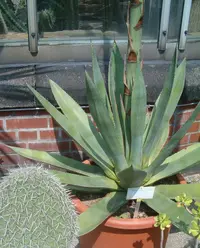
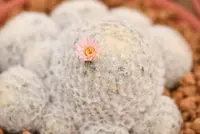
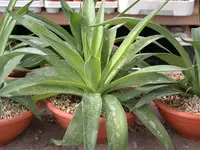
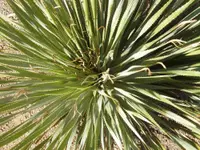
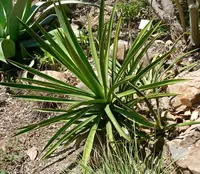
Agave flexispina is a compact succulent from arid regions of northern Mexico, forming tight rosettes of stiff, blue-green leaves edged with sharp teeth and a flexible terminal spine. It grows slowly and stays relatively small, which suits containers, rock gardens, and dry landscapes.

This species is adapted to strong sun, high heat, and low rainfall, so it prefers bright light, fast-draining mineral soils, and infrequent watering. Its drought tolerance and slow growth make it low-maintenance, but the spines require careful handling. Understanding how to care for Agave flexispina helps prevent rot and damage in wetter or cooler climates.

Main Plant Requirements

Care Difficulty

Easy Care

Light Preference

Full Sun

Water Requirements

Low Water

Temperature Preference

Warm Climate

Hardiness Zone

8–10

Soil Texture

Sandy, Loamy, Rocky

Soil pH

Slightly acidic (6.5–7.0), Slightly alkaline (7.0–7.5)

Soil Drainage

Well-drained

Fertilization

Minimal (feed rarely)

Get Personalized Care Plan

Scan your plant to receive care tips personalized for your specific plant

Available on iOS and Android

How to Care for the Agave flexispina

This species needs strong light and benefits from full sun in most climates.

  • Provide 6–10 hours of direct sun daily; in very hot inland areas, give full morning sun with light afternoon shade to prevent leaf scorch.
  • Young or recently transplanted Agave flexispina handles partial shade, but growth slows if it receives less than 4–5 hours of direct sun.
  • In summer, watch for bleaching or crispy leaf tips from intense sun; in winter, avoid dense shade or north-facing walls that reduce light too much.

This drought-adapted succulent prefers deep but infrequent watering.

  • Outdoors in well-drained soil, water only when the top 5–10 cm are completely dry; in many climates this means every 2–4 weeks in warm seasons and far less in winter.
  • Use fast-draining, gritty soil so excess water runs off quickly and the root zone does not stay saturated.
  • Signs of overwatering include yellowing, soft or collapsing leaves and a sulfur smell from the soil; underwatering shows as slow wrinkling and narrow, folding leaves.

This plant prefers warm, dry conditions and handles significant heat once established.

  • Ideal growth occurs around 65–90°F (18–32°C), with good airflow in hot weather to reduce heat stress.
  • Mature plants tolerate brief drops to about 20–25°F (-6 to -4°C) if soil is dry, but foliage damage is likely near these limits.
  • Protect from prolonged frost, freezing rain, and repeated freeze–thaw cycles; in very hot regions above 100°F (38°C), afternoon shade reduces sunburn risk and stress.

This species is well adapted to dry air and does not have specific humidity requirements indoors or outdoors.

This xeric succulent requires a fast-draining, mineral-rich substrate to prevent root rot.

  • Use a gritty mix based on coarse sand or small gravel with a smaller portion of standard cactus mix or sandy loam.
  • Aim for a neutral to slightly alkaline pH around 6.5–7.5, avoiding strongly acidic blends high in peat.
  • Increase drainage and aeration by adding 30–50% inorganic materials such as pumice, perlite, or crushed lava rock.
  • Avoid dense, water-retentive substrates, especially straight garden soil or peat-heavy potting mixes, which stay wet around the roots.

This species is suitable for container growing, especially in regions with cold or wet winters.

  • Choose a wide, heavy container that resists tipping, since the rigid rosette can become top-heavy as it matures.
  • Select unglazed clay or concrete pots outdoors to allow faster evaporation and keep the root zone drier after rain.
  • Elevate the container on feet or blocks so drainage holes remain clear and water cannot pool under the base.

This slow-growing desert species needs only light feeding in containers or very poor soil.

  • Use a low-dose, balanced NPK succulent or cactus fertilizer, or a sparse top-dressing of compost for Agave flexispina in pots.
  • Feed once in late spring and again in mid-summer during active growth; skip feeding in rich or in-ground desert beds.
  • Dilute liquid fertilizer to 25–50% strength to avoid salt buildup in the soil.
  • Stop feeding in fall and winter to allow a natural rest period and reduce soft, frost-prone growth.

Pruning is minimal and mainly focused on safety and sanitation for this architectural agave.

  • Best timing is late spring to summer, during active growth and dry weather.
  • Remove only dead, damaged, or badly scarred lower leaves at the base using clean, sharp pruners or a pruning saw.
  • Trim spent flower stalks near the crown once they dry, since the rosette dies after flowering.
  • Avoid cutting healthy leaves, as this disrupts the natural form and reduces energy reserves.

Container-grown plants and young offsets benefit from occasional repotting or transplanting to maintain root health.

  • Look for roots circling the pot, bulging containers, or stalled growth as signs that Agave flexispina needs more space.
  • Plan repotting or transplanting for late spring to early summer, once nights stay consistently above 55°F.
  • Repot every 3–5 years into a slightly larger, very fast-draining cactus mix, handling the root ball gently to limit stress.
  • Water lightly after moving, keep in bright but slightly filtered light for 7–10 days, and resume normal sun and watering gradually.

Propagation is commonly done by separating offsets rather than from seed in home settings.

  • Use basal offsets that have formed their own roots; best season is late spring to early summer for dividing Agave flexispina.
  • Lift the parent plant slightly or scrape soil away, then cut pups free with a clean, sharp knife.
  • Allow cut surfaces to dry and callus for 3–7 days in a shaded, airy place before potting.
  • Plant pups in a gritty, fast-draining mix, keep barely moist, and provide bright, indirect light until firmly rooted.

This agave is moderately cold tolerant but benefits from some winter protection in colder regions.

  • Mature plants often tolerate light frosts if kept dry, but prolonged freezes below about 20°F can damage tissue.
  • In-ground plants in marginal climates do best with a 5–8 cm gravel mulch around the crown to keep the base dry.
  • For containers, shift pots under a dry overhang or into an unheated garage with bright light before hard freezes.
  • Reduce watering sharply in winter so the soil stays almost dry, lowering the risk of rot in cold conditions.

Care Tips

Rock mulch ring

Surround the rosette with a 10–20 cm ring of gravel or small rocks instead of organic mulch to keep the crown dry, prevent rot at the base, and discourage weeds without trapping excess moisture.

Elevation for drainage

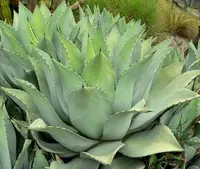
Plant on a low mound or in a slightly raised bed so water always flows away from the crown, which is especially important on clay or compacted soils to reduce the risk of root and crown rot when growing Agave flexispina.

Safe handling gear

Use thick gloves, long sleeves, and eye protection when planting, dividing offsets, or cleaning around the rosette, and keep children and pets away from the sharp, flexible spines.

Offset management

Remove offsets with a clean, sharp knife once they have their own small root system, allow cut surfaces to dry and callus for 3–5 days in a shaded, airy spot, then pot into a very well-drained mix to propagate new plants or prevent overcrowding.

Winter moisture control

In regions with wet winters, shelter the plant with a simple clear cover or plant near a wall or overhang so the rosette receives less direct rainfall, reducing the chance of cold, saturated soil damaging roots.

Common Pests and Diseases

Agave snout weevil

This pest attacks the base of the rosette, where adults chew and lay eggs; larvae then tunnel into the core, causing sudden collapse of leaves. Symptoms include wilting from the center, a fermented odor, and plants that topple with a mushy crown.

Solution

Remove and discard any infested plants, including as much surrounding soil as possible, to prevent spread. For remaining plants, keep soil on the dry side, avoid mechanical damage at the base, and in areas with a known history of this pest, use a systemic insecticide labeled for agaves as a preventive soil drench in late spring before adult activity peaks.

Agave mite

These insects are microscopic eriophyid mites that feed in tight leaf bases and emerging growth, often introduced on nursery stock. Symptoms include distorted or stunted new leaves, corky or rough patches near the crown, and sometimes dark, sunken lesions at the leaf base.

Solution

Isolate and closely monitor any plant with distorted new growth; in severe or advanced cases, discard the plant, since mites hide deep in the crown and are difficult to eradicate. For mild issues, remove and dispose of the most distorted leaves and apply a miticide specifically labeled for eriophyid mites, repeating as directed while also improving spacing and airflow.

Soft scale

These insects attach along the leaf surfaces and near the midrib, sucking sap and excreting honeydew that can lead to sooty mold. Symptoms include sticky leaves, small dome-shaped bumps that do not easily wipe off, and a general decline in vigor.

Solution

Physically remove scales with a soft brush or cotton swab dipped in isopropyl alcohol, focusing on leaf bases and undersides. For larger infestations, follow up with several applications of horticultural oil or insecticidal soap, applied in the early morning or late afternoon to avoid leaf burn, and reduce plant stress by maintaining bright light and well-drained soil as part of overall Agave flexispina care instructions.

Anthracnose

This disease is a fungal leaf spot common on agaves grown in warm, humid or poorly ventilated conditions. Symptoms include tan to dark brown spots with darker margins that can coalesce into larger patches, sometimes with a slightly sunken or papery center.

Solution

Remove and discard affected leaves to reduce inoculum, and avoid overhead watering so leaves dry quickly. Improve sun exposure and airflow, and in persistent or severe cases apply a copper-based or other labeled fungicide, making sure to keep future irrigation at the soil level only.

Bacterial soft rot

This disease often enters through wounds or existing weevil damage and rapidly breaks down tissues in the crown and lower leaves. Symptoms include a foul odor, water-soaked or slimy areas at the plant base, and rapid collapse of the rosette, especially in warm, wet conditions.

Solution

Promptly remove and discard any plant with advanced soft rot, including surrounding affected soil, as recovery is unlikely and bacteria spread easily. To prevent new cases, protect plants from crown injuries, keep the rosette as dry as possible, avoid overhead watering, and maintain sharp drainage so water does not stand around the base.

Interesting Facts

Narrow, flexible spines

This species is named for its relatively slender, somewhat flexible marginal spines, which are less rigid than in many other agaves but still form an effective physical barrier against herbivores in its native Mexican habitats.

Compact, spherical rosette

Agave flexispina naturally forms a dense, almost ball-shaped rosette with strongly recurved leaves, an adaptation that helps shade its own crown and reduce water loss in high-radiation, arid environments.

Distinctive leaf markings

The blue-green leaves often show pale bud-imprints and subtle banding patterns where younger leaves pressed against older ones in the center of the rosette, a structural imprinting feature common in the genus but particularly pronounced and ornamental in this species.

FAQs about Agave flexispina

Brown tips or edges usually come from underwatering, strong reflected heat, or salt and fertilizer buildup in the soil. Occasionally, cold damage or mechanical injury from handling the spines can also cause localized browning without affecting the whole plant.

Grow Healthy Plants with Botan Care

Keep your plants happy and healthy with plant identification, disease detection, and easy care guidance.

Botan plant care app — identify plants on mobile

Explore More Plants