Parodia microsperma Care

Parodia microsperma

About Parodia microsperma

Parodia microsperma is a small, globular cactus native to rocky grasslands and foothills in Argentina and nearby regions of South America. It usually grows as a single ball or a small clump over time.

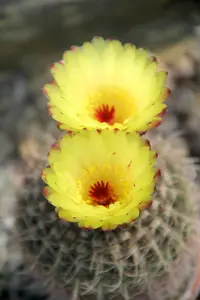
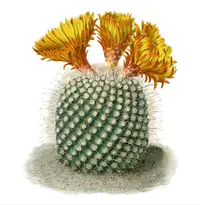
The plant has many fine ribs lined with short spines and often produces bright yellow to orange flowers near the crown. Its compact size and slow growth make it suitable for windowsills and small indoor collections.

This cactus prefers strong light, very free-draining mineral soil, and careful watering with long dry periods in between. These traits generally make it easy to care for Parodia microsperma if overwatering is avoided.

Main Plant Requirements

Care Difficulty

Easy Care

Light Preference

Full Sun

Water Requirements

Low Water

Temperature Preference

Warm Climate

Hardiness Zone

9–11

Soil Texture

Sandy, Loamy, Rocky

Soil pH

Acidic (5.5–6.5), Slightly acidic (6.5–7.0)

Soil Drainage

Well-drained

Fertilization

Minimal (feed rarely)

Get Personalized Care Plan

Scan your plant to receive care tips personalized for your specific plant

Available on iOS and Android

How to Care for the Parodia microsperma

This small cactus prefers bright, measured sun that mimics high-light but not extreme desert conditions.

  • Provide 4–6 hours of direct morning sun with bright, filtered light the rest of the day; east or southeast exposure suits Parodia microsperma well.
  • Tolerates light afternoon sun in mild climates, but in hot regions protect from harsh midday rays with shade cloth or dappled shade to prevent scorching and bleaching.
  • If stems elongate or lean strongly to one side, light is insufficient; gradually increase light over 1–2 weeks, especially in late winter and early spring.

Watering should be infrequent and thorough, allowing the root zone to dry between waterings.

  • During active growth in spring–summer, water only when the top 3–5 cm of soil are completely dry, then soak fully and let excess drain away quickly.
  • Use a very free-draining, gritty mix so water runs through in seconds; standing water or a persistently damp mix increases risk of root rot and blackened, soft tissue.
  • In autumn reduce watering sharply, and in winter keep almost dry, giving only a light drink if the body shrivels notably or pulls away from the soil.

Temperature needs are warm in the growing season with a cooler, dry rest in winter.

  • Ideal growth occurs at 70–85°F (21–29°C) by day and 60–70°F (16–21°C) at night, with good air movement to avoid overheating the plant body.
  • Tolerates brief heat up to 95°F (35°C) if shaded from intense midday sun and kept slightly drier to reduce stress and potential tissue damage.
  • Protect from frost; minimum safe temperature is about 40°F (4°C), though a cool, dry rest at 45–55°F (7–13°C) can support stronger flowering later.

This cactus handles typical indoor humidity well, so humidity is rarely a concern.

  • Ideal relative humidity is 30–50%, similar to most heated or air-conditioned homes.
  • Dry air is tolerated; issues arise more from excess moisture than from low humidity.
  • If the plant looks swollen, pale, or marks appear on the skin, check for overwatering or condensation rather than trying to raise humidity.

Parodia microsperma needs a very free-draining, mineral-rich substrate to prevent root rot.

  • Use a sandy, gritty mix, such as 50–70% inorganic material (pumice, coarse perlite, or grit) blended with cactus potting mix.
  • Aim for slightly acidic to neutral pH, roughly 6.0–7.0, which supports nutrient uptake without stressing the roots.
  • Increase aeration by incorporating coarse particles 3–6 mm in size so water drains through in seconds, not minutes.
  • Avoid dense, peat-heavy or clayey soils that stay wet, as these encourage fungal problems and root loss.

This species is well suited to container cultivation, including small pots.

  • Choose a pot only slightly wider than the plant body to keep the root zone drying at a predictable rate after watering.
  • Select an unglazed terracotta pot if extra evaporation is needed in cooler or dimmer locations to prevent prolonged wetness.
  • Use a low, stable pot shape with a wide base so the plant does not tip over as it pups and forms a cluster.

This small cactus benefits from light, controlled feeding during its active season in spring and summer.

  • Use a low-nitrogen balanced cactus fertilizer (for example 5-10-10) or a diluted balanced NPK liquid formulated for succulents.
  • Feed every 4–6 weeks during active growth, always on moist soil to avoid root burn.
  • Apply at 1/2–1/4 the label strength, since Parodia microsperma is adapted to nutrient-poor habitats.
  • Stop feeding in fall and winter to allow full dormancy and prevent weak, etiolated growth.

Pruning needs for this cactus are minimal and focus on health and safety rather than shaping.

  • Best timing is late spring to summer, when the plant is actively growing and wounds seal faster.
  • Remove only dead, diseased, or badly scarred tissue, plus spent, dried flower remains if they trap moisture.
  • Use clean, sharp scissors or a sterile knife and avoid cutting into healthy ribs or areoles, where new spines and flowers form.
  • Pruning has little effect on shape or flowering; good light and correct watering influence form far more.

This species grows slowly and prefers slightly tight pots, so repotting is infrequent but occasionally necessary.

  • Repot every 3–4 years, or when roots circle the pot, emerge from drainage holes, or growth noticeably slows.
  • Best timing is late winter to early spring, just before active growth, so roots can recover quickly.
  • Use a pot only 2–3 cm wider with excellent drainage and a gritty cactus mix to prevent waterlogging.
  • Gently loosen circling roots, remove old soil, let any damaged roots callus 1–2 days, then replant and keep almost dry for 7–10 days.

Parodia microsperma is most often propagated from seed under warm, bright, and carefully controlled conditions.

  • Sow fresh seeds in late spring to early summer in a sterile, very fine cactus mix or sand-based substrate.
  • Maintain 70–80°F, bright indirect light, and consistently slight moisture using a covered tray or humidity dome for germination.
  • Once seedlings appear, increase ventilation gradually to reduce damping-off, and keep light bright but not scorching.
  • Offsets, if present, can be removed, left to callus for several days, then rooted in barely moist, gritty mix.

This cactus needs a cool, dry winter rest and is not suitable for prolonged freezing outdoor conditions.

  • Keep plants around 45–55°F indoors or in a bright, frost-free greenhouse during winter.
  • Provide maximum light, ideally a south-facing window, while keeping soil almost completely dry.
  • Avoid frost; short dips near 32°F are risky, especially in damp soil, and can cause tissue damage.
  • For outdoor containers, move under cover before first hard frost and ensure the potting mix dries thoroughly.

Care Tips

Rotate pot regularly

Turn the pot 90° every 2–3 weeks during the bright season so the stem develops evenly and does not lean toward the light, which helps maintain a symmetrical globe shape.

Use top dressing

Apply a 0.5–1 cm layer of coarse grit or small gravel on the soil surface to keep the base of the stem dry, reduce rot risk, and discourage fungus gnat larvae.

Winter rest setup

From late fall, move the plant to the brightest, coolest indoor spot available and keep it almost dry to encourage flower bud formation for spring.

Inspect areoles closely

Check the woolly areoles and spine bases monthly with a small brush or magnifier to detect mealybugs or spider mites early, then isolate and treat the plant immediately if any are seen.

Pot size control

Choose a pot only 1–2 cm wider than the stem and delay repotting until roots clearly fill the container, which keeps growth compact and stable when caring for Parodia microsperma.

Common Pests and Diseases

Spider mites

This pest thrives on dry, warm cacti and causes fine webbing, pale speckling, and a dull, dusty look to the stem ribs.

Solution

Isolate the plant, then rinse the cactus body thoroughly with a strong but controlled stream of water and repeat weekly; for persistent mites on Parodia microsperma indoor care, apply a dilute insecticidal soap or neem oil spray to the stem surface, increasing humidity slightly and improving airflow without overwatering.

Mealybugs

These insects hide in woolly areoles and between ribs, appearing as white cottony clusters that suck sap and weaken growth.

Solution

Remove visible clusters with a cotton swab dipped in 70% isopropyl alcohol, repeat checks weekly, and if activity continues, use a systemic insecticide labeled for cacti and reduce excess nitrogen fertilization that encourages soft, mealybug-prone tissue.

Scale insects

This pest appears as small, hard, brown or tan bumps along ribs and at the plant base, causing gradual yellowing and stunted growth.

Solution

Gently scrape or wipe off scales with an alcohol-dampened cloth or cotton swab, then treat remaining insects with horticultural oil applied in dry, shaded conditions, keeping the plant under observation for several weeks and discarding heavily infested offsets if needed.

Fusarium stem rot

This disease causes sunken brown to black lesions on the stem that may ooze and spread internally, often following wounds or stress from overwatering.

Solution

Cut away affected tissue with a sterile blade back to firm, healthy flesh, dust the wound with a dry sulfur or copper-based fungicide, then keep the cactus in a warm, very dry place with excellent drainage and reduced watering until new callus tissue forms.

Helminthosporium spot

This disease produces small, dark, dry spots or bands on the epidermis that can coalesce, leaving rough, corky patches on older stems.

Solution

Improve light and airflow, avoid wetting the stem during watering, and remove severely blemished segments or offsets; in collections with repeated issues, apply a preventive systemic fungicide during warm, humid periods and maintain a strictly free-draining mineral substrate.

Interesting Facts

Mountain steppe native

This small cactus is native to rocky slopes and open steppe in the eastern Andean foothills of Argentina, where it grows among gravel and sparse grasses at moderate elevations with strong sun and marked day–night temperature swings.

Dense spination strategy

Its closely set, interlaced spines form a pale mesh over the stem, which helps shade the green tissue from intense solar radiation while also reducing air movement at the surface and slowing water loss.

Prolific flowering habit

Mature plants can produce several bright yellow to orange funnel-shaped flowers in a ring near the stem apex, often opening repeatedly during warm, sunny periods over the growing season rather than in a single short flush.

FAQs about Parodia microsperma

Growth is slow. Seedlings may stay very small for several years, then gradually form a small clump over time. Expect only a few millimeters to about 1 cm of height or diameter increase per year in typical home conditions.

Grow Healthy Plants with Botan Care

Keep your plants happy and healthy with plant identification, disease detection, and easy care guidance.

Botan plant care app — identify plants on mobile

Explore More Plants