Pfeiffera boliviana Care

Pfeiffera boliviana

About Pfeiffera boliviana

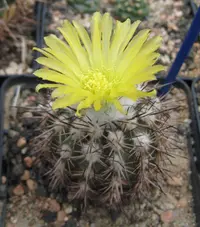
Pfeiffera boliviana is an epiphytic cactus native to highland forests of Bolivia and nearby regions, where it grows on trees and rocky cliffs. It forms many slender, segmented stems that hang or trail, often creating a dense, cascading effect in containers or hanging baskets.

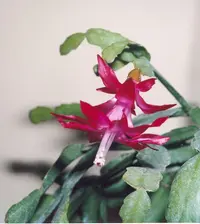
Stems are usually bright green and may produce small, colorful flowers along the segments, followed by decorative berries. The plant prefers bright, indirect light, airy soil, and light but regular watering, which makes it suitable for indoor culture.

Because it tolerates typical indoor temperatures and does not require intense desert sun, many growers find it moderately easy once basic moisture control is understood. Learning how to care for Pfeiffera boliviana mainly involves avoiding overwatering and giving it enough light and airflow.

Main Plant Requirements

Care Difficulty

Moderate Care

Light Preference

Bright Indirect Light

Water Requirements

Moderate Water

Temperature Preference

Tropical / Frost Sensitive

Hardiness Zone

10–11

Soil Texture

Sandy, Loamy, Organic-rich

Soil pH

Acidic (5.5–6.5), Slightly acidic (6.5–7.0)

Soil Drainage

Well-drained

Fertilization

Light (every 4–6 weeks)

Get Personalized Care Plan

Scan your plant to receive care tips personalized for your specific plant

Available on iOS and Android

How to Care for the Pfeiffera boliviana

This trailing cactus prefers bright, indirect light similar to lightly shaded cliff faces.

  • Provide 4–6 hours of bright, filtered light daily, such as near an east window or under light shade outdoors, to support compact, healthy growth in Pfeiffera boliviana.
  • Allow gentle morning sun but protect from intense midday or late-afternoon sun, which can cause yellowing, reddening, or scorched segments.
  • In winter, move plants to the brightest frost-free spot available, as low light can cause weak, stretched growth and fewer blooms.

This epiphytic cactus needs moisture cycles that alternate between thorough watering and partial drying.

  • Water only when the top 2–4 cm of the mix feels dry, then soak thoroughly and let excess drain so roots do not sit in waterlogged soil.
  • Use a fast-draining cactus or orchid-style mix; persistent moisture, sour smell, or blackened, mushy stems indicate overwatering and root rot risk in Pfeiffera boliviana.
  • In winter, reduce watering frequency significantly, watching for slightly wrinkled stems as a sign to water rather than following a fixed schedule.

This species prefers mild temperatures and does poorly in frost or intense heat.

  • Aim for 60–80°F (16–27°C) for active growth, as this range supports steady metabolism and flowering.
  • Protect the plant from temperatures below 40°F (4°C); brief dips may be tolerated, but frost can permanently damage stems and roots.
  • In hot spells above 90°F (32°C), increase shade and airflow, and avoid placing near heat-reflective walls or metal surfaces that can overheat tissues.

This epiphytic cactus handles typical indoor humidity but benefits from slightly raised levels in very dry homes.

  • Aim for 40–60% humidity; it tolerates brief dips lower if watering and light are appropriate.
  • Crisping stem tips or shriveling segments in spite of moist soil can indicate air that is too dry.
  • Increase humidity with a nearby open tray of water and stones or by grouping plants rather than misting frequently.

Pfeiffera boliviana prefers a very free-draining, airy substrate closer to an epiphytic cactus mix than dense potting soil.

  • Use a mix of roughly 50% cactus potting mix with 25% fine bark and 25% pumice or perlite for a light, chunky texture.
  • Ensure rapid drainage so water runs through within seconds; the mix should feel gritty, not sticky or compacted.
  • Keep pH slightly acidic to neutral, around 6.0–7.0, avoiding strongly alkaline substrates such as heavy lime-rich garden soil.
  • Improve aeration by increasing coarse mineral components and bark if the potting mix stays wet longer than 2–3 days.

This species is very suitable for containers, especially hanging baskets that allow its stems to trail freely.

  • Choose a shallow but wide pot so roots are not buried in deep, wet substrate while still allowing stems room to spread.
  • Select a stable hanging basket or sturdy shelf placement to prevent tipping as stems elongate and shift the plant’s center of gravity.
  • Use a breathable material such as unglazed terracotta if the mix tends to stay wet, as it speeds evaporation from the root zone.

Nutrient needs are modest, but thoughtful feeding supports compact growth and flowering in Pfeiffera boliviana.

  • Use a balanced liquid fertilizer (for example 10-10-10) diluted to 25–50% strength for container plants.
  • Feed every 4–6 weeks during spring and summer when new segments grow.
  • Avoid organic compost-heavy mixes that stay wet and instead use cactus fertilizer on a well-draining medium.
  • Stop feeding in fall and winter, resuming only when active growth restarts.

Light, periodic pruning keeps Pfeiffera boliviana tidy and encourages branching and more blooms.

  • Carry out main pruning after flowering, typically in late spring or early summer.
  • Remove dead, shriveled, or damaged stems with clean, sharp scissors or small pruners.
  • Thin crowded, overly long, or tangled stems to maintain an even, cascading shape.
  • Disinfect tools before and after use to limit disease spread through succulent tissues.

This epiphytic cactus adapts well to containers and needs infrequent but careful repotting to avoid root damage.

  • Plan to repot every 2–3 years in spring when roots circle the pot or growth slows despite good care.
  • Choose a shallow container with drainage and a loose cactus or orchid-style mix to mimic airy root conditions.
  • Gently tease apart circling roots, trimming only broken or rotten sections to limit stress.
  • Water lightly after repotting, then keep slightly on the dry side for 7–10 days to let small wounds heal.

Stem cuttings are the most practical method for growing Pfeiffera boliviana at home.

  • Take healthy, pencil-thick stem segments in late spring or summer using a clean, sharp blade.
  • Allow cut ends to dry and callus for 2–5 days in a shaded, airy spot before planting.
  • Insert segments upright into a barely moist cactus mix, keeping temperatures around 68–77°F and light bright but indirect.
  • Avoid overwatering during rooting; lightly mist or sparingly water only when the mix is almost dry.

Winter care focuses on frost avoidance and controlled watering, especially for container-grown plants.

  • Keep plants above 40°F; extended exposure to freezing temperatures can damage stems and roots.
  • Move containers indoors or to a bright, cool, frost-free porch or greenhouse in cold climates.
  • Reduce watering in winter, letting the mix dry almost completely between light waterings.
  • Avoid cold drafts and sudden temperature shifts to limit stress and tissue damage.

Care Tips

Use hanging support

Grow this cactus in a hanging basket or on a high shelf so the segmented stems can trail freely without kinking or breaking at the pot rim.

Rotate for even trails

Turn the pot 1/4 turn every 1–2 weeks so all sides receive similar light and the stems develop evenly rather than leaning strongly in one direction.

Segment tip propagation

When stems become too long or sparse, cut 3–5 segment tips, let them callus for 2–3 days, then insert shallowly into the same pot or a new one to refresh the plant’s overall fullness.

Inspect stem joints

Check the joints between segments every few weeks for softness, dark spots, or mealybugs, and remove affected sections promptly with sterilized scissors before problems spread.

Seasonal rest adjustment

In late fall, slightly cooler conditions and a modestly drier mix support bud formation, so reduce handling, avoid repotting, and keep lighting consistent to stabilize the plant during this rest phase when caring for Pfeiffera boliviana.

Common Pests and Diseases

Mealybugs

This pest often hides in stem joints and among the dense hanging stems, sucking sap and causing yellowing and stunted growth. Symptoms include white, cottony clusters and sticky honeydew on stems and hanging containers.

Solution

Isolate the plant, then dab visible insects with cotton swabs dipped in 70% isopropyl alcohol and rinse the stems gently after treatment. Repeat weekly until no new insects appear, and reduce excess nitrogen fertilization, as softer growth is more attractive to mealybugs when caring for Pfeiffera boliviana.

Spider mites

These insects thrive in warm, dry indoor air and can cause dull, stippled stems and fine webbing along the trailing growth. This pest may lead to overall decline and eventual stem drying if not controlled early.

Solution

Shower the plant with lukewarm water, focusing on the undersides and inner parts of the stems, then increase humidity slightly and improve air movement. For heavier infestations, apply an insecticidal soap or horticultural oil labeled for cacti, repeating every 7–10 days until new growth looks clean.

Scale insects

This pest attaches firmly to the smooth, segmented stems, appearing as small brown or tan bumps that excrete honeydew and can cause yellowing or shriveling segments. Symptoms include sticky residue and sometimes sooty mold on nearby surfaces.

Solution

Manually remove scales with a soft brush or cotton swab dipped in isopropyl alcohol, working carefully along each stem segment. Follow up with a light application of horticultural oil, ensuring good coverage of crevices, and repeat after 10–14 days to target newly emerged crawlers.

Fusarium stem rot

This disease can occur when the potting mix stays wet and cool, leading to localized soft, discolored patches on the trailing stems that may eventually collapse. Symptoms include reddish-brown or dark lesions that spread along segments, often from a wound or cut surface.

Solution

Remove and discard all affected stems with sterile tools, cutting back into firm, healthy tissue, and allow cut ends to dry and callus before watering again. Improve drainage with a very airy cactus-epiphyte mix, let the substrate dry well between waterings, and avoid overhead watering that keeps stems wet for long periods.

Bacterial soft rot

This disease enters through wounds or damaged stem segments, causing sudden soft, water-soaked spots with a foul odor and rapid tissue collapse. Symptoms include mushy, translucent areas that spread quickly along affected segments or from a damaged crown area.

Solution

Immediately cut away all soft, affected tissue well into healthy, firm segments, and discard contaminated material and any wet debris on the soil surface. Allow the plant to dry in bright, indirect light with excellent air circulation, reduce watering for a period, and sterilize tools and pots to prevent re-infection.

Interesting Facts

High-altitude epiphyte

This species is native to high Andean cloud forests of Bolivia, where it often grows as an epiphyte on trees or rocks, exposed to strong light and significant temperature swings between day and night.

Daylength-sensitive blooming

Flowering is triggered by seasonal changes in daylength and temperature, producing tubular orange to red flowers mainly in the cooler, brighter months of its native range.

Hanging, jointed stems

Its slender, many-segmented stems can form long, cascading curtains from cliffs or branches, an adaptation that helps the plant intercept more light in the dappled shade of montane forests.

FAQs about Pfeiffera boliviana

This epiphytic cactus does well both indoors and outdoors in mild climates. Indoors, bright filtered light and good air movement are important. Outdoors, it prefers sheltered spots without frost, heavy rain, or harsh midday sun.

Grow Healthy Plants with Botan Care

Keep your plants happy and healthy with plant identification, disease detection, and easy care guidance.

Botan plant care app — identify plants on mobile

Explore More Plants