Rotate For Symmetry
Turn the pot 90° every 2–3 weeks during active growth so the stem receives light from all sides and maintains a compact, even shape instead of leaning toward one direction.

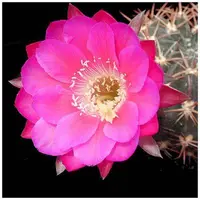
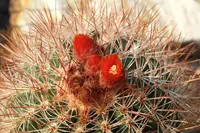
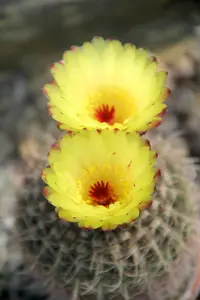
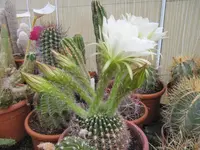
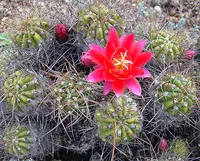
Lobivia obrepanda is a small, clumping cactus from the highlands of Bolivia and surrounding regions in South America. It usually forms rounded, ribbed stems with neat, symmetrical spines. In season it produces large, showy funnel-shaped flowers that open widely, often in bright reds, oranges, or pinks. The blooms are short-lived but can appear in generous flushes on a well-grown plant.
This species stays compact, which suits windowsills and small indoor collections. It is generally easy to grow if given strong light, good drainage, and careful watering, and this makes it straightforward to learn how to care for Lobivia obrepanda.

Care Difficulty
Easy Care

Light Preference
Full Sun

Water Requirements
Low Water

Temperature Preference
Warm Climate

Hardiness Zone
9–11

Soil Texture
Sandy, Loamy, Rocky

Soil pH
Slightly acidic (6.5–7.0), Neutral (7.0)

Soil Drainage
Well-drained

Fertilization
Minimal (feed rarely)
Scan your plant to receive care tips personalized for your specific plant
Available on iOS and Android
This cactus thrives in strong light but benefits from some protection from harsh midday sun.
Watering should mimic brief desert rains followed by thorough drying.
This species prefers warm, dry conditions with a pronounced cool, but not freezing, rest period.
This cactus handles typical indoor humidity well and rarely needs special adjustments.
This species prefers a very fast-draining, gritty mineral substrate that dries quickly between waterings.
This species is very suitable for container growing due to its compact root system.
This cactus benefits from light feeding during its active season but remains sensitive to excess nutrients.
Pruning needs are minimal and mostly hygienic for this compact cactus.
This species prefers tight pots and infrequent disturbance, so repot only when clearly necessary.
Lobivia obrepanda is commonly propagated from offsets and seeds under warm, bright conditions.
This cactus needs a cool, dry winter rest to stay healthy and flower well.

Plant Health Check
Not sure what's wrong with your plant? Check your plant's health inside the app.
This species occurs naturally in high-altitude regions of Bolivia and northern Argentina, where it grows on rocky slopes and well-drained mountain soils exposed to strong sun and large day–night temperature swings.
Its large funnel-shaped flowers typically open in the evening or at night and fade by the following day, an adaptation linked to nocturnal pollinators such as moths.
Plants of this species show notable variation in spine length, thickness, and color across different wild populations, which has led to several described forms and contributed to taxonomic confusion with related Echinopsis species.

Lobivia obrepanda has been involved in complex taxonomic revisions and is now often placed within the genus Echinopsis, so older literature and plant labels may list it under several different names, making accurate identification in collections more challenging than its common appearance suggests.
Lack of flowers often relates to insufficient light, no cool dry winter rest, or an oversized pot. Mature plants need a short dormancy period and strong seasonal light contrast to set buds and bloom reliably.
Keep your plants happy and healthy with plant identification, disease detection, and easy care guidance.