Parodia maassii Care

Parodia maassii

About Parodia maassii

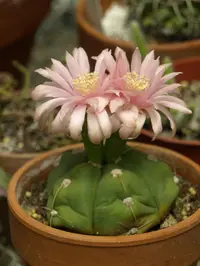
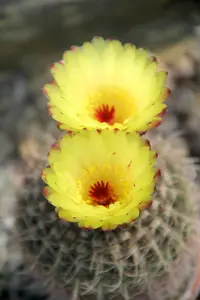
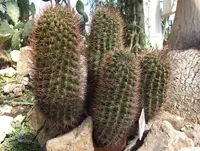
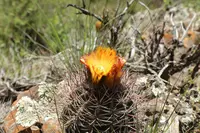
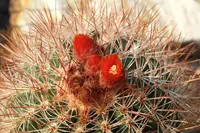
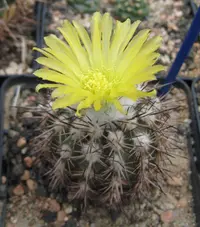
Parodia maassii is a small, globular cactus native to the highlands of Bolivia and northern Argentina. It typically forms a single rounded stem that may slowly cluster with age. The plant has distinct ribs lined with short, neat spines and often produces bright yellow to orange flowers at the crown. Its compact size and slow growth make it suitable for containers and windowsills. This species is generally considered easy to grow, as it tolerates some neglect and prefers bright light, well-drained gritty soil, and careful watering. Understanding how to care for Parodia maassii mainly involves avoiding excess moisture and providing strong light without prolonged scorching sun.

Main Plant Requirements

Care Difficulty

Easy Care

Light Preference

Full Sun

Water Requirements

Low Water

Temperature Preference

Warm Climate

Hardiness Zone

9–11

Soil Texture

Sandy, Loamy, Rocky

Soil pH

Slightly acidic (6.5–7.0), Neutral (7.0)

Soil Drainage

Well-drained

Fertilization

Minimal (feed rarely)

Get Personalized Care Plan

Scan your plant to receive care tips personalized for your specific plant

Available on iOS and Android

How to Care for the Parodia maassii

This high-altitude cactus needs strong light but protection from the most intense sun.

  • Provide 4–6 hours of direct morning sun plus bright, filtered light for the rest of the day; east or southeast exposure suits Parodia maassii well.
  • In hot summers, shield from harsh midday and late-afternoon sun with shade cloth or dappled shade to prevent bleaching and corky sunburn patches.
  • Tolerates light, open shade, but if stems elongate, lean, or turn dull green, increase light gradually over 1–2 weeks to avoid shock.

This species prefers thorough but infrequent watering in fast-draining, mineral-rich soil.

  • Water only when the top 3–5 cm of soil are completely dry; then soak deeply until water drains freely, avoiding any standing water around the roots.
  • From late spring to early fall, expect watering every 7–21 days depending on heat, wind, and potting mix; in winter, keep almost dry, watering lightly once every 4–6 weeks if it shrivels slightly.
  • Watch for yellowing, soft tissue, or a sour smell as signs of overwatering, and wrinkling or slight shrinking ribs as a cue that Parodia maassii is ready for the next drink.

This cactus prefers warm days, cool nights, and strict protection from frost.

  • Aim for 65–80°F (18–27°C) in the growing season, with slightly cooler nights to mimic its native highland climate and support compact growth.
  • Protect from temperatures below 40°F (4°C); brief dips to 35°F (2°C) are possible only if soil is completely dry, but any frost can scar or kill tissue.
  • In summer, it tolerates up to 90–95°F (32–35°C) if shaded from harsh afternoon sun and given good air movement, but growth slows in prolonged extreme heat.

This cactus handles typical indoor humidity well and rarely needs special adjustments.

  • Aim for 30–50% humidity, as very damp air combined with cool temperatures increases rot risk.
  • Dry household air is usually tolerated if watering is conservative and the root zone is not kept wet.
  • Watch for shriveling stems with firm, dry soil (too dry) or soft, yellowing tissue with damp soil (excess moisture rather than low humidity).

Parodia maassii prefers a very fast-draining, mineral-based soil that prevents water from lingering around the roots.

  • Use a gritty, sandy mix such as 50–70% inorganic material (pumice, coarse perlite, grit) blended with cactus potting mix.
  • Ensure sharp drainage so water runs through in seconds and the potting mass dries within a few days after watering.
  • Keep pH slightly acidic to neutral, roughly 6.0–7.0, which suits most commercial cactus mixes.
  • Avoid dense, peat-heavy, or clay-rich substrates that stay wet, compact, and limit root aeration, as these promote root rot.

This species is well suited to container growing when the pot supports fast drainage and a shallow root system.

  • Select a pot only 2–4 cm wider than the plant to keep the root zone compact and drying at a steady rate.
  • Choose unglazed terracotta if extra evaporation is needed, as it pulls moisture from the mix and cools the root area slightly.
  • Elevate the container on pot feet or a grid so drainage holes stay clear and water does not pool under the base.

This small cactus has low nutrient demands, so light, infrequent feeding is sufficient for healthy growth.

  • During spring–summer, apply a diluted balanced liquid fertilizer (such as 10-10-10) at 1/4–1/2 strength every 4–6 weeks.
  • Use a cactus-specific or low-nitrogen product rather than rich compost, which can stay wet and damage roots.
  • Ensure soil is already moist before feeding to prevent root burn and improve nutrient uptake.
  • Stop feeding Parodia maassii in fall–winter to maintain a cool, dry rest period and support flowering cycles.

This cactus rarely needs structural pruning, only simple cleanup to maintain health and appearance.

  • Best time for any work is late spring or early summer, when growth is most active.
  • Carefully remove dead, shriveled, or diseased tissue with clean, sharp scissors or a sterilized knife.
  • Cut away badly scarred or rotting offsets at the base to prevent spread and improve airflow.
  • Avoid heavy cutting of healthy stems, as this can deform Parodia maassii and slow flowering.

This compact cactus prefers slightly tight pots and only occasional repotting to refresh soil and manage root health.

  • Check for roots circling the drainage holes, compacted soil, or stalled growth as signals to move up 1 pot size.
  • Plan to repot every 3–4 years, ideally in late spring when active growth helps recovery.
  • Use a shallow pot with excellent drainage and a gritty cactus mix to limit water retention and root rot.
  • Handle the root ball gently, teasing out circling roots, then keep Parodia maassii slightly dry for 7–10 days after repotting.

New plants are usually produced from seeds, with offsets used when available on mature clumps.

  • Sow fresh seed in late spring on a sterile, very free-draining cactus mix and barely cover.
  • Maintain gentle bottom warmth around 70–75°F, bright indirect light, and consistently slight moisture for germination.
  • Once seedlings show several small ribs, space them carefully to reduce crowding and damping-off disease.
  • Where offsets form, twist them off cleanly, allow the base to callus for several days, then root in dry, gritty mix.

This cactus needs a cool, dry winter rest and is not tolerant of prolonged hard freezes.

  • Keep temperatures around 40–50°F in winter, avoiding exposure below about 32°F for potted plants.
  • For outdoor containers, move Parodia maassii indoors to a bright, cool, frost-free spot before first hard frost.
  • Water very sparingly, just enough to prevent severe shriveling, as cold, wet soil promotes rot.
  • In-ground plants in marginal climates benefit from a gritty, raised bed and a simple rain shelter to keep crowns dry.

Care Tips

Rotate For Symmetry

Turn the pot 90° every 2–3 weeks so all sides receive equal light, which keeps the stem evenly round and prevents lopsided growth over the years.

Topdressing For Stability

Add a 1–2 cm layer of coarse grit or small decorative stones on top of the soil to keep the base dry, reduce algae and fungus gnat issues, and visually mark how far up to water.

Dry Winter Rest

From late fall to early spring, keep the plant in a cooler bright spot and extend the dry periods sharply, as this rest phase supports bud formation and long‑term health when growing Parodia maassii.

Pot Choice For Safety

Use a wide, shallow, heavy pot so the plant does not tip over as it offsets and becomes top-heavy, and choose unglazed clay if possible to improve root aeration.

Offset Management

If offsets crowd the mother plant, remove them with a sterile knife during a dry, warm spell, allow cut surfaces to callus for several days, then root them in a separate pot to reduce rot risk and maintain an attractive clump.

Common Pests and Diseases

Spider mites

This pest thrives on stressed, sun-exposed plants and feeds on the epidermis, causing fine speckling and a dull, grayish cast on ribs and tubercles. Symptoms include very fine webbing in areoles and slowed growth, especially in warm, dry indoor air.

Solution

Rinse the plant under a gentle but thorough stream of water, including between ribs and around areoles, then allow it to dry in bright, airy conditions. If mites persist, treat the body of the cactus (not the soil) with insecticidal soap or a neem oil solution every 7–10 days for 3–4 cycles, and reduce stress by providing strong light, good airflow, and avoiding chronic underwatering or overheating when planning Parodia maassii care instructions.

Mealybugs

These insects hide in woolly areoles and between ribs, appearing as white cottony clusters and excreting sticky honeydew. Symptoms include localized yellowing, deformed new growth, and a sooty mold film developing on the honeydew in severe cases.

Solution

Isolate the plant, then dab visible mealybugs with cotton swabs dipped in 70% isopropyl alcohol, taking care to reach into the woolly areoles. Repeat inspections weekly and, if activity continues, use a systemic insecticide labeled for cacti or several rounds of insecticidal soap, making sure the plant dries quickly afterward to prevent skin damage.

Corky scab

This disease starts as small, rough, tan patches on the lower stem where water sits or where minor injuries occurred. Symptoms include firm, brown, cork-like scars that spread slowly along ribs but usually do not feel soft or mushy.

Solution

Remove any possible triggers by avoiding overhead watering, keeping the stem dry, and improving air circulation around the cactus. Severely affected areas cannot be reversed, but progression can often be slowed by adjusting light so the plant receives bright, indirect sun rather than sudden, intense midday exposure and by avoiding temperature swings that stress the epidermis.

Fungal stem rot

This disease often begins at small injury sites or where water collects around the base, leading to soft, discolored tissue. Symptoms include dark, sunken, or mushy spots on the stem and a foul smell in advanced stages.

Solution

At the first sign, cut away all affected tissue with a sterile knife until only firm, healthy flesh remains, then let the wound dry and callus in a warm, bright, airy place for several days. If the base is compromised, salvage healthy upper segments as cuttings, discard the infected root mass and soil, and repot into a sterile, very free-draining mineral mix while reducing watering until new roots form.

Interesting Facts

High-altitude specialist

This species is native to high Andean slopes of Bolivia and northern Argentina, where it grows on rocky, well-drained substrates exposed to intense sunlight and large day–night temperature swings.

Distinctive woolly crown

Mature plants often develop a dense tuft of white wool and bristles around the apex, which helps protect the growing point from strong UV radiation and rapid moisture loss in its mountain habitat.

Variable spine coloration

Populations show notable variation in spine length and color, ranging from pale yellow to reddish-brown, which has contributed to taxonomic confusion and historical placement of this species in different cactus genera.

FAQs about Parodia maassii

Lack of flowering usually comes from insufficient light, winter temperatures that are too warm, or overfeeding with high-nitrogen fertilizer. This species also needs a cool, fairly dry winter rest period to set buds and flower well.

Grow Healthy Plants with Botan Care

Keep your plants happy and healthy with plant identification, disease detection, and easy care guidance.

Botan plant care app — identify plants on mobile

Explore More Plants