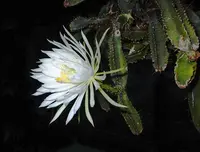
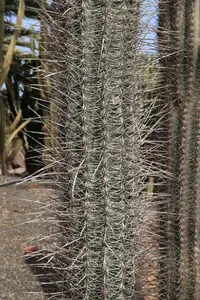
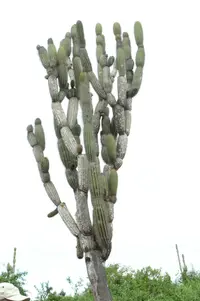
golden torch Care (Soehrensia spachiana)

Also known as: torch cactus, golden column
golden torch

About golden torch

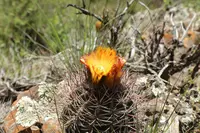
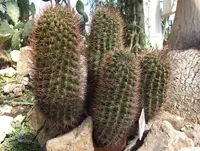
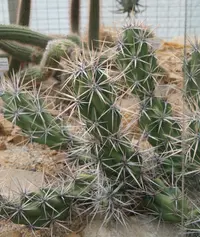
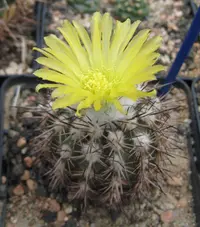
Golden torch, Soehrensia spachiana, is a columnar cactus valued for its upright stems and large, night-blooming white flowers. It typically forms tall, ribbed, branching columns with short, noticeable spines and a strong architectural look in containers or desert-style plantings.

This species is native to arid regions of Argentina, where it grows in rocky, well-drained soils with strong sun. Its drought tolerance and slow to moderate growth rate make it a relatively low-maintenance choice if overwatering is avoided.

In general, it prefers bright light, infrequent watering, and gritty, fast-draining soil. These traits shape the basic approach to how to care for golden torch in home conditions.

Main Plant Requirements

Care Difficulty

Easy Care

Light Preference

Full Sun

Water Requirements

Low Water

Temperature Preference

Warm Climate

Hardiness Zone

9–11

Soil Texture

Sandy, Loamy, Rocky

Soil pH

Slightly acidic (6.5–7.0), Neutral (7.0)

Soil Drainage

Well-drained

Fertilization

Minimal (feed rarely)

Get Personalized Care Plan

Scan your plant to receive care tips personalized for your specific plant

Available on iOS and Android

How to Care for the golden torch

This cactus prefers strong, direct light but needs gradual acclimation outdoors to avoid scorch.

  • Provide 6–8 hours of sun daily; full morning sun with light afternoon shade suits golden torch in hot climates.
  • In very intense sun, use 30–40% shade cloth or plant where buildings or rocks cast late-day shade to prevent yellowing and corky patches.
  • In cooler or coastal areas, full sun all day is usually safe; if stems lean or darken dull green, increase light exposure.

This desert cactus stores water and benefits from deep but infrequent watering in fast-draining soil.

  • Water only when the top 5–8 cm of soil are completely dry; in warm growing seasons this may range from weekly to monthly depending on heat and rainfall.
  • Use gritty, sharply draining soil on a slope or raised bed; standing water around the roots causes soft, blackened tissue and eventual collapse.
  • In winter or cool, cloudy periods, water Soehrensia spachiana very sparingly; slight wrinkling is safer than plump, split stems that indicate excess moisture.

This species prefers warm, dry conditions and tolerates moderate heat if roots stay well drained.

  • Aim for 70–90°F (21–32°C) during active growth; brief spikes to 100°F (38°C) are tolerated if there is airflow and some afternoon shade.
  • Protect from frost; sustained exposure below 28°F (-2°C) damages tissue, and prolonged cold in wet soil greatly increases rot risk.
  • In winter, a cool, dry rest at 40–55°F (4–13°C) is acceptable if soil is almost dry, but avoid sudden swings of more than 15–20°F (8–11°C) in a day.

Humidity is not a critical factor for Soehrensia spachiana, which is well adapted to dry air.

Soehrensia spachiana needs very fast-draining, mineral-rich soil to prevent root rot.

  • Use a gritty mix such as 50–70% inorganic material (pumice, coarse sand, or small gravel) blended with cactus potting mix.
  • Aim for slightly acidic to neutral pH around 6.0–7.0, avoiding strongly acidic or alkaline substrates.
  • Improve aeration by using coarse particles; avoid fine peat-heavy mixes that compact and stay wet too long.
  • Keep organic matter low; avoid dense compost or clay-based garden soil that holds water around the roots.

This species is well suited to container growing due to its upright, relatively slow growth.

  • Choose a heavy, wide-based pot to counterbalance the tall, columnar stems and reduce tipping risk in wind.
  • Select unglazed clay if extra evaporation is needed, since it allows moisture to leave the root zone more quickly.
  • Leave a dry top layer of mix in the pot to discourage surface rot and fungus growth around the stem base when watering.

This cactus benefits from light feeding during active growth but does not need heavy fertilization for healthy development.

  • Use a balanced cactus fertilizer or low-nitrogen liquid feed diluted to 25–50% strength during spring–summer while caring for golden torch.
  • Apply every 4–6 weeks in the growing season, always onto moist soil to avoid root burn.
  • Avoid organic compost-heavy mixes that stay wet; choose mineral, fast-draining substrates instead.
  • Stop fertilizing in fall–winter to support a cool, dry dormancy and prevent weak, etiolated growth.

Pruning needs for Soehrensia spachiana are minimal and mainly focused on safety and plant health rather than shaping.

  • Carry out any pruning in late spring–summer when growth is active and wounds callus faster.
  • Remove only dead, diseased, frost-damaged, or broken stems using clean, sharp pruners or a fine-toothed saw.
  • Cut segments cleanly at the base, avoiding jagged tears that increase infection risk.
  • Limit pruning to problem areas to maintain the plant’s natural columnar form and flowering potential.

Container-grown plants appreciate occasional repotting to refresh soil and prevent root binding.

  • Check for roots circling the pot, emerging from drainage holes, or noticeably slower growth as signs that repotting is due.
  • Plan to repot every 3–5 years in late spring, when temperatures are consistently warm and new growth begins.
  • Use a slightly larger pot with very free-draining cactus mix, handling the stem with thick gloves or folded newspaper to avoid injury.
  • Minimize root stress by gently loosening circling roots, watering lightly once after repotting, then waiting 7–10 days before the next watering.

This species is commonly propagated from stem cuttings and seeds under warm, dry, and bright conditions.

  • Take healthy stem cuttings in late spring–summer, allowing the cut ends to dry and callus for 7–14 days.
  • Set callused cuttings upright in a sterile, gritty cactus mix and keep just barely moist until roots form.
  • Sow seeds on the surface of a fine, well-draining medium; keep at 70–80°F with bright, indirect light.
  • Provide gentle air movement and avoid overwatering to reduce damping-off and encourage strong early growth.

Winter care focuses on keeping this cactus cool, dry, and frost-free, especially in colder regions.

  • Soehrensia spachiana tolerates brief light frosts but is safer above 25–30°F, especially in wet climates.
  • Move container plants indoors or into an unheated, bright garage or porch before hard freezes.
  • Keep soil almost completely dry in winter to prevent root rot in cold conditions.
  • In-ground plants in marginal climates benefit from gravel mulch around the base to improve drainage and insulate roots.

Care Tips

Stability and support

Place the pot inside a slightly heavier cachepot or add a top layer of coarse gravel so the tall column stays stable and does not tip as it gains height and weight.

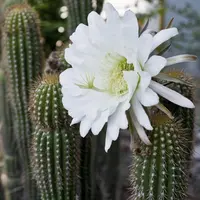
Rotate for even ribs

Turn the container 90° every 2–3 weeks during active growth so the ribs and spines develop evenly rather than the stem curving strongly toward the light source.

Cold-dry winter rest

From late fall, keep the plant cooler and almost completely dry to encourage flower bud initiation and a more natural growth rhythm the following season.

Root inspection schedule

Unpot the plant every 2–3 years in late spring to check for circling roots or rot, trim damaged tissue with a sterile knife, then repot into fresh gritty mix to maintain a healthy root system.

Dry handling technique

When repotting or moving, wrap the stem in several layers of folded newspaper or a thick towel so you can grip it firmly without breaking spines or injuring your hands, which makes caring for golden torch safer and less stressful for the plant.

Common Pests and Diseases

Red spider mites

This pest feeds on green tissue in the ribs, causing a dull, sandy discoloration and fine webbing between spines, especially in hot, dry indoor air. Symptoms include slowed growth and a dusty look on the stems.

Solution

Rinse the stems thoroughly with a strong but controlled stream of lukewarm water, then wipe accessible areas with a soft cloth or brush. Increase humidity slightly around the plant without keeping the soil wet, and if infestation persists, apply a neem oil or insecticidal soap spray directed at the ribs and areoles every 7–10 days until new growth appears clean.

Soft scale

These insects appear as small, tan to brown dome-shaped bumps along the ribs and around areoles, excreting sticky honeydew that can lead to sooty mold on the skin. Affected areas often show yellowing or patchy discoloration around feeding sites.

Solution

Remove visible scale manually with a cotton swab dipped in isopropyl alcohol, taking care not to damage the epidermis. For remaining insects, use a light insecticidal soap or horticultural oil spray applied in the cool part of the day, repeating after 7–14 days and improving light and airflow to discourage reinfestation.

Mealybugs

These insects form white, cottony clusters in the grooves between ribs, near areoles, and around the base of the plant, sucking sap and weakening growth. Infested plants may show stunted new growth and sticky residue.

Solution

Dislodge visible mealybugs with a cotton swab or soft brush dipped in isopropyl alcohol, focusing on crevices and between spines. Follow up with a thorough treatment using neem oil or insecticidal soap on all surfaces, repeating at 7–10 day intervals and isolating the plant from others until no new insects appear.

Corky scab lesions

This disease presents as rough, brown, cork-like patches or bands on the lower or shaded sides of the stems, often following mechanical damage or repeated wetting of the skin. Symptoms include hardened, dry areas that do not spread rapidly but can disfigure the plant.

Solution

Trim away only severely damaged tissue if it is soft or cracked, keeping cuts clean and allowing them to dry in bright, indirect light. Prevent new lesions by avoiding overhead watering, improving air movement, and providing stable, bright light so the epidermis remains firm and less prone to injury, which supports long-term Soehrensia spachiana plant care.

Interesting Facts

Columnar night-bloomer

This cactus develops tall, upright stems and produces large white flowers that open at night and are pollinated mainly by nocturnal insects and moths in its native range in Argentina.

Day-to-night color change

Its flowers typically emerge with pinkish to amber outer tepals (petal-like structures) that contrast with the white inner segments, creating a subtle color shift that is visible as the buds open at dusk.

Dense protective spines

The stems carry many closely spaced areoles that each produce clusters of yellowish spines, which help protect the plant from herbivores and shade the stem surface, reducing water loss in strong sun.

Botan icon

Did you know?

In its native habitat, this species often forms tall clumps and can exceed several meters in height over many years, creating conspicuous vertical structures that stand out against the surrounding arid landscape.

FAQs about golden torch

This species usually needs to reach several years of age and a good stem diameter before flowering. Strong light, a cool but frost-free dry winter rest, and avoiding excessive nitrogen fertilizer all support bud formation and reliable summer blooms.

Grow Healthy Plants with Botan Care

Keep your plants happy and healthy with plant identification, disease detection, and easy care guidance.

Botan plant care app — identify plants on mobile

Explore More Plants