Meaty Storksbill Care (Pelargonium carnosum)

Also known as: Fleshy-Stalked Pelargonium
Meaty Storksbill

About Meaty Storksbill

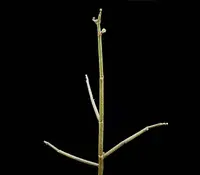
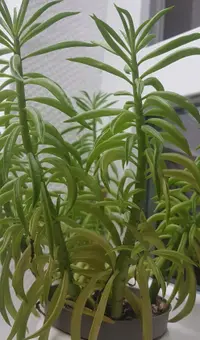
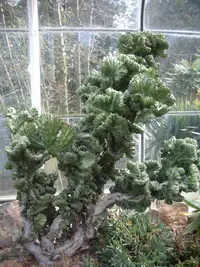
Pelargonium carnosum is a succulent-type pelargonium with a thick, woody base and fleshy, often intricately divided leaves. It forms a small shrub with an architectural, bonsai-like look over time. Native to arid regions of South Africa, it is adapted to bright light, strong sun, and dry conditions. This background makes it relatively tolerant of drought and occasional neglect. Growth is slow to moderate, and the plant prefers a well-draining, gritty soil mix to protect its roots from rot. For anyone learning how to care for Pelargonium carnosum, its main needs are strong light, careful watering, and good airflow.

Main Plant Requirements

Care Difficulty

Moderate Care

Light Preference

Full Sun

Water Requirements

Low Water

Temperature Preference

Tropical / Frost Sensitive

Hardiness Zone

10–11

Soil Texture

Sandy, Loamy, Rocky

Soil pH

Slightly acidic (6.5–7.0), Neutral (7.0)

Soil Drainage

Well-drained

Fertilization

Minimal (feed rarely)

Get Personalized Care Plan

Scan your plant to receive care tips personalized for your specific plant

Available on iOS and Android

How to Care for the Meaty Storksbill

This succulent prefers bright, dry conditions that mimic its native habitat.

  • Provide 6–8 hours of bright light daily, ideally with morning sun and light afternoon shade to prevent leaf scorch on Pelargonium carnosum.
  • Outdoors, choose an open spot with full sun to very bright partial shade; indoors, place near a south- or west-facing window with only light filtering.
  • In winter, move plants to the brightest possible location and rotate them weekly to reduce stretching, weak growth, and sparse branching from low light.

This species is drought-tolerant and prefers infrequent, thorough watering.

  • Allow the top 3–5 cm of soil to dry fully before watering, then soak the root zone and let excess drain away completely.
  • In active growth, water when stems look slightly less plump; in winter rest, reduce watering sharply and irrigate only when the mix is completely dry.
  • Watch for yellowing, soft stems or a sour soil smell as signs of overwatering, and wrinkling, lightweight pots, or drooping leaves as signs of underwatering.

This plant prefers warm, dry air and does not tolerate frost.

  • Aim for 65–80°F (18–27°C) during active growth, with good airflow to prevent fungal problems in thick, succulent stems.
  • Protect from temperatures below 40°F (4°C); brief dips to 35°F (2°C) may be survived but can damage foliage and growing tips.
  • In hot spells above 90°F (32°C), provide light shade and avoid reflected heat from walls or paving to reduce stress and sunburn risk.

This species prefers dry indoor air and does not need elevated humidity.

  • Keep humidity around 30–50% to mimic its native arid conditions.
  • Plant tolerates typical heated or air-conditioned rooms but avoid constant humidity above 60%.
  • Humidity stress appears as soft, swollen stems or fungal spotting; increase air movement rather than adding moisture.

This succulent pelargonium needs very fast-draining, mineral-rich soil to prevent root rot.

  • Use a gritty mix such as 50–60% cactus potting mix blended with coarse sand, fine gravel, or perlite for strong drainage.
  • Aim for a mostly sandy or loamy-mineral structure with low organic matter to keep roots aerated.
  • Maintain soil pH roughly 6.0–7.5, avoiding strongly acidic or waterlogged mixes that encourage rot.
  • Top-dress with gravel to reduce surface compaction and let water move quickly through the profile.

This species is well suited to container growing due to its compact, succulent root system.

  • Choose a wider, shallow pot so the tuberous roots spread laterally without sitting in deep, wet soil.
  • Select unglazed terracotta if extra moisture loss is needed in cool or humid climates.
  • Secure the container or use a heavier pot if stems become top-heavy, to prevent tipping in wind or accidental knocks.

This drought-adapted species grows acceptably in lean soil, but modest feeding improves container performance of Pelargonium carnosum.

  • Use a balanced liquid fertilizer (around 10-10-10 or 20-20-20) at 1/4–1/2 strength for potted plants.
  • Feed every 4–6 weeks during active growth in spring and summer, skipping applications if growth slows in heat.
  • Avoid rich compost or heavy organic mixes that stay wet; use a light, fast-draining medium instead.
  • Stop feeding in fall and winter when growth is minimal, especially in cooler conditions.

Pruning focuses on maintaining a compact, branching form and removing weak growth.

  • Best time is late winter to early spring, just before active growth resumes in Pelargonium carnosum.
  • Use clean, sharp scissors or pruners to remove dead, damaged, or crossing stems.
  • Shorten overly long, leggy shoots to encourage branching and a balanced, sculptural silhouette.
  • Avoid cutting into the thickest, oldest caudex tissue; focus on younger, green shoots.

This caudiciform species prefers slightly tight pots and infrequent disturbance.

  • Repot only when roots circle the pot, drainage declines, or growth slows despite good light and care.
  • Best timing is late winter to early spring, just before new growth, about every 3–4 years for Pelargonium carnosum.
  • Choose a shallow, well-draining pot and a gritty mix; move up only 2–3 cm in diameter each time.
  • Gently loosen the root ball, keep the caudex above soil level, then water lightly for 1–2 weeks to limit stress.

Propagation is usually done from stem cuttings, with seeds used less often for this species.

  • Take semi-ripe stem cuttings in late spring or summer from healthy, non-flowering shoots of Pelargonium carnosum.
  • Allow cut ends to callus for 1–3 days in dry air to reduce rot risk.
  • Insert cuttings into a sterile, very gritty mix, keeping temperatures around 68–75°F with bright, indirect light.
  • Water sparingly, just moistening the medium; once firm new growth appears, pot on into a standard caudiciform mix.

This plant is not frost hardy and needs protection in cold climates.

  • Keep Pelargonium carnosum above 40°F; ideal winter range is 45–55°F with plenty of light.
  • For containers, move plants indoors or into a cool greenhouse before the first frost.
  • Water very sparingly in winter, allowing the mix to dry well between light waterings.
  • Ensure the caudex and stems stay dry and well ventilated to avoid rot in cool conditions.

Care Tips

Branch training

Pinch back the soft tips of overly long, leafless stems in late winter to encourage side branching and a more compact, architectural shape.

Dormancy adjustment

Reduce watering and stop repotting during the plant’s natural summer rest if it slows or stops growth, then resume more active care only once fresh leaves appear in autumn.

Root space control

Use a slightly snug pot and avoid frequent up-potting, as a mildly root-restricted plant tends to produce firmer stems and better caudex development.

Targeted pest checks

Inspect the fissures of the swollen base and the nodes along older stems every few weeks for mealybugs or scale, using a cotton swab dipped in isopropyl alcohol to remove any early infestations before they spread.

Seasonal light rotation

Rotate the pot by about 1/4 turn every 1–2 weeks during the active season so new growth distributes evenly and the caudex does not lean strongly toward the light, which supports long-term structural balance when growing Pelargonium carnosum.

Common Pests and Diseases

Mealybugs

This pest often hides in stem joints and along the swollen succulent stems, sucking sap and causing yellowing, stunted growth, and sticky honeydew deposits.

Solution

Isolate the plant, then dab visible insects with cotton swabs dipped in 70% isopropyl alcohol and repeat weekly; for heavier infestations, use several applications of a systemic insecticide labeled for ornamental succulents and improve light and air movement to discourage reinfestation.

Aphids

These insects tend to cluster on soft new growth and flower stalks, where they deform shoots and excrete honeydew that can lead to sooty mold.

Solution

Rinse the plant thoroughly with a firm stream of lukewarm water to dislodge colonies, then treat remaining insects with insecticidal soap or a light horticultural oil, applied to all sides of stems and repeated every 5–7 days until no new aphids appear.

Spider mites

This pest thrives on Pelargonium carnosum in warm, dry indoor conditions, causing pale stippling on foliage, fine webbing, and a dull, dusty appearance.

Solution

Increase humidity around the plant without wetting the soil surface excessively, then wash stems and leaves under a gentle shower and apply miticidal soap or horticultural oil, ensuring thorough coverage and repeating several times to interrupt the mite life cycle.

Botrytis blight

This disease produces soft, water-soaked patches and grey fuzzy mold on older leaves, stems, or spent flowers, especially in cool, stagnant air.

Solution

Remove and discard all affected tissue, improve airflow and reduce overhead watering, then, if conditions stay damp, use a fungicide labeled for Botrytis on ornamentals, applying according to label directions while keeping foliage as dry as practical.

Bacterial blight

This disease causes dark, water-soaked leaf spots and sometimes rapid wilting or dieback of succulent stems, often entering through wounds or splash from contaminated water.

Solution

Immediately remove and discard infected leaves and stems, avoid misting, water only at the soil level, sterilize cutting tools with alcohol or a 10% bleach solution, and if the plant declines severely, dispose of it and the surrounding soil to prevent spread to other geranium relatives.

Interesting Facts

Fleshy caudex shrub

This species forms a swollen, woody caudex and thick, succulent branches that store water, an adaptation to the arid, rocky habitats of the Western and Eastern Cape in South Africa.

Seasonal leaf behavior

In its native climate it often behaves as a winter grower, producing finely divided, aromatic leaves in the cooler, wetter months and partially resting or shedding foliage in the hot, dry season.

Night-scented flowers

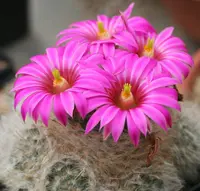
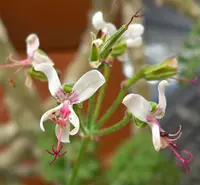
The small, pale flowers are usually produced on long, thin stalks and tend to release more scent in the evening and at night, likely to attract nocturnal moth pollinators.

Botan icon

Did you know?

In habitat, this species often grows in very shallow soil pockets on rock outcrops, where its caudex and roots wedge into crevices, allowing it to survive intense sun, drying winds, and minimal substrate that would be unsuitable for most other shrubs.

FAQs about Meaty Storksbill

This species can work indoors if given very bright light, a cool dry winter rest, and excellent drainage. Pelargonium carnosum indoor care is easier near a sunny window or under grow lights, away from cold drafts and humidity sources.

Grow Healthy Plants with Botan Care

Keep your plants happy and healthy with plant identification, disease detection, and easy care guidance.

Botan plant care app — identify plants on mobile

Explore More Plants