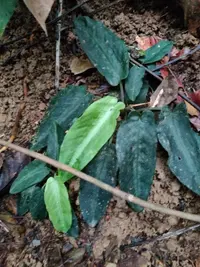
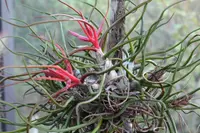
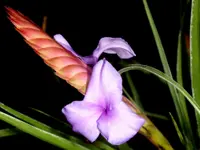
spear head Care (Senecio kleiniiformis)

Also known as: x Senecurio kleiniiformis, Curio × kleiniiformis
spear head

About spear head

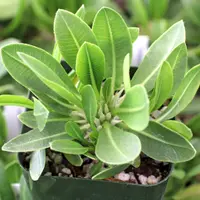
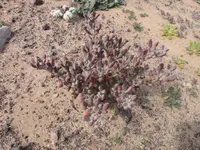
Spear head (Senecio kleiniiformis) is a shrubby succulent from South Africa, grown mainly for its narrow, triangular, blue-green leaves. The foliage has a waxy surface that helps the plant store water and tolerate dry indoor air.

It typically grows as a low, branching plant that can trail or spill over the edge of a pot. Mature plants may produce small, creamy white, scented flowers on tall stems.

This species prefers bright light, very well-drained soil, and infrequent watering, which makes it suitable for busy or beginner owners. Understanding how to care for spear head mainly involves avoiding overwatering and giving it enough sun.

Main Plant Requirements

Care Difficulty

Easy Care

Light Preference

Full Sun

Water Requirements

Low Water

Temperature Preference

Warm Climate

Hardiness Zone

9–11

Soil Texture

Sandy, Loamy, Rocky

Soil pH

Slightly acidic (6.5–7.0), Slightly alkaline (7.0–7.5)

Soil Drainage

Well-drained

Fertilization

Minimal (feed rarely)

Get Personalized Care Plan

Scan your plant to receive care tips personalized for your specific plant

Available on iOS and Android

How to Care for the spear head

This succulent prefers bright conditions that mimic its native sunny habitat.

  • Provide 4–6 hours of direct morning sun with bright, filtered light the rest of the day, especially in hot, dry climates.
  • Plant where it receives full sun in cooler coastal areas, but give light afternoon shade inland to prevent leaf scorch and bleaching.
  • In winter, ensure unobstructed light to prevent stretched, weak growth; move spear head away from intensely reflective surfaces that amplify midday sun.

This drought-tolerant succulent needs infrequent, thorough watering in fast-draining soil.

  • Water only when the top 3–5 cm of soil are fully dry; in active growth this often means every 10–21 days depending on climate and soil.
  • Use a gritty, sharply draining mix and water deeply until excess drains away, then empty any standing water to avoid root rot and mushy stems.
  • Reduce watering in cooler months when growth slows; wrinkling or folding leaves suggest it is too dry, while yellowing, soft leaves indicate overwatering.

This species prefers warm, dry conditions and does not tolerate frost.

  • Aim for 65–80°F (18–27°C) during the growing season for steady growth, with brief peaks to 85°F (29°C) tolerated if soil is dry and airflow is good.
  • Protect from temperatures below 40°F (4°C); tissue damage often starts near 32°F (0°C), and hard frost can kill exposed stems.
  • In regions with hot summers above 90°F (32°C), offer afternoon shade and avoid reflected heat from walls or stone to reduce stress and sun scorch.

This succulent handles typical indoor humidity well and rarely needs special adjustment.

  • Aim for 30–50% humidity; it is more sensitive to excess moisture in the air than to dryness.
  • Dry air is usually tolerated, but sustained humidity above 60% can encourage rot at the stem base.
  • Signs of humidity stress include mushy stems and blackened leaf bases; increase air movement with a small fan rather than adding moisture.

Provide a very fast-draining, mineral-rich soil to keep roots dry and oxygenated.

  • Use a sandy, gritty mix such as 50–70% cactus/succulent soil blended with coarse perlite, pumice, or horticultural grit.
  • Aim for slightly acidic to neutral pH, around 6.0–7.0, which suits Senecio kleiniiformis and helps nutrient availability.
  • Ensure the mix feels loose and crumbly; large mineral particles create air pockets that reduce the risk of root rot.
  • Avoid heavy, peat-dense, or clay-based soils that stay wet for more than 1–2 days after watering, even if they contain perlite.

This species is well suited to container culture, including small outdoor pots and patio planters.

  • Choose a wide, shallow pot to accommodate its spreading, succulent roots without leaving deep zones of unused, wet soil.
  • Unglazed terracotta helps excess moisture evaporate faster, reducing the risk of stem and root rot in cool or humid conditions.
  • Place the container where it cannot tip, as the top growth can lean and become lopsided, especially in narrow or lightweight pots.

This drought-tolerant succulent needs only light feeding, so focus on avoiding overfertilization when caring for spear head.

  • Use a balanced, low-nitrogen succulent fertilizer or a dilute general-purpose balanced NPK product.
  • Feed at 1⁄4–1⁄2 strength every 4–6 weeks during spring–summer active growth.
  • Skip or reduce feeding to 1 light application in fall and none in winter dormancy.
  • Avoid rich compost or frequent slow-release products that can cause soft, weak growth.

Pruning Senecio kleiniiformis is helpful mainly for tidying growth and maintaining a compact, trailing form.

  • Best time is late winter to early spring, just before active growth resumes.
  • Remove dead, shriveled, or damaged stems and any crowded, tangled shoots.
  • Shorten overly long stems to shape the plant and encourage branching at cut points.
  • Use clean, sharp scissors or pruners, making cuts just above a node and allowing wounds to dry.

This succulent prefers slightly tight pots and infrequent repotting to avoid excess moisture around the roots.

  • Repot every 2–3 years or when roots circle the pot, drainage slows, or growth declines.
  • Choose late spring as the ideal time, when new growth starts and stress recovery is fastest.
  • Move to a pot only 2–3 cm wider, with ample drainage holes and gritty cactus/succulent mix.
  • Gently loosen roots, remove old soggy soil, keep roots mostly intact, and water lightly after repotting.

Senecio kleiniiformis is commonly propagated from stem cuttings, which root reliably in the right conditions.

  • Take 7–10 cm firm, non-flowering stem cuttings in late spring or early summer.
  • Let cut ends callus in a dry, bright place for 1–3 days before planting.
  • Insert callused cuttings into barely moist, gritty cactus mix and keep at 70–80°F in bright, indirect light.
  • Water sparingly until roots form, then shift to normal succulent watering once new growth appears.

This succulent is tender to frost and needs protection in climates with freezing winters.

  • Keep plants above 35–40°F; outdoor containers in cold zones should be moved indoors before frost.
  • Provide bright, cool indoor light and very lean watering, allowing soil to dry almost completely.
  • Stop fertilizing and keep the potting mix dryish to prevent root rot in low light and cool temperatures.

Care Tips

Controlled trailing habit

Let stems trail over the pot edge, then trim back by 5–8 cm once they become sparse at the tips to keep the plant compact and stimulate denser new growth along the upper stems.

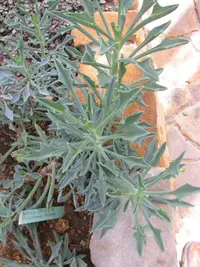
Purposeful stem cuttings

When you prune, select the healthiest non-woody stems, let cut ends dry for 1–2 days, then insert them around the pot rim to thicken the planting and renew older, woody specimens.

Strategic pot selection

Choose a wide, shallow pot with drainage holes rather than a deep one, which keeps the root zone closer to the warm upper substrate and helps reduce the risk of water sitting around the roots.

Dry-winter adjustment

In regions with cool, low-light winters, reduce handling and keep the plant in a stable, bright position, as frequent moving and repotting during this semi-rest period can cause unnecessary stress and leaf drop.

Preventing sunscald lines

When transitioning the plant from indoors to a sunnier outdoor spot, increase light over 7–10 days by moving it a little closer to full sun every 2–3 days to avoid pale or scorched streaks forming along the narrow leaves while caring for spear head.

Common Pests and Diseases

Mealybugs

This pest appears as small white cottony clusters tucked into leaf joints and along stems, often causing gradual yellowing and stunted growth. Symptoms include sticky honeydew and sooty black mold on nearby surfaces.

Solution

Isolate the plant, then dab visible insects with cotton swabs dipped in 70% isopropyl alcohol and gently wipe along the spear-shaped leaves and stems. For larger infestations, rinse the plant with a strong but gentle stream of water, let it dry well, then apply a ready-to-use insecticidal soap or neem oil, repeating every 7–10 days until no new mealybugs appear.

Aphids

These insects are soft-bodied, usually green or black, and cluster on new growth, where they suck sap and distort young leaves and stems. Symptoms include curling tips, sticky honeydew, and sometimes ants farming the insects.

Solution

Move the plant to a sink or outdoors and spray the affected shoots with a firm stream of lukewarm water to dislodge the aphids. Follow with insecticidal soap or neem oil on all stems and the undersides of leaves, repeating weekly until new growth appears clean and maintaining good air movement as part of regular Senecio kleiniiformis plant care.

Spider mites

This pest forms very fine webbing between leaves and stems and causes tiny pale speckles on the blue-green foliage that can progress to a dull, grayish appearance. Symptoms include dry-looking leaves that lose their normal waxy sheen.

Solution

Increase humidity around the plant temporarily and rinse foliage thoroughly, paying special attention to leaf undersides and internodes. After rinsing, allow the plant to dry fully, then apply insecticidal soap or a miticide labeled for indoor succulents every 5–7 days for several cycles, monitoring closely in warm, dry conditions when mites are most active.

Powdery mildew

This disease shows up as a white, powdery film on the leaf surface and stems, which can dull the plant’s bluish color and slightly distort new growth. Symptoms include slower growth and reduced vigor if the infection persists.

Solution

Improve airflow around the plant, avoid overhead watering, and ensure the foliage dries quickly after any moisture exposure. Remove heavily affected segments and treat the remaining plant with a sulfur or potassium bicarbonate fungicide labeled for ornamental succulents, repeating as directed until new growth emerges clean.

Leaf spot

This disease causes small, water-soaked or tan to brown spots on the succulent leaves that can merge into larger irregular patches under prolonged moisture. Symptoms include localized tissue collapse where spots become sunken or corky.

Solution

Trim and discard the worst affected leaves, using sterilized tools, and allow the potting mix and foliage to dry thoroughly between waterings. Reduce overhead watering, increase airflow, and, if spots keep appearing, apply a copper-based or broad-spectrum fungicide suitable for succulents according to label directions while monitoring closely for any further spread.

Interesting Facts

Spear‑shaped leaf design

This species develops narrow, triangular, spear‑like leaves with a slight glaucous (bluish) waxy coating that helps reduce water loss in bright, dry habitats.

Climbing succulent habit

Unlike many succulents, it grows as a scrambling or climbing plant with long, jointed stems that can trail or clamber over nearby support, reflecting its adaptation to rocky slopes in its native South African range.

Late season flowering

It typically produces small, creamy‑white, composite flower heads in late summer to fall, with tubular florets that are mainly pollinated by small flying insects attracted to their nectar and subtle scent.

Botan icon

Did you know?

In mild, frost‑free climates, this species can form extensive mats or cascading curtains over rocks and walls, functioning as a living erosion-control cover on dry slopes while still maintaining its drought-tolerant succulent physiology.

FAQs about spear head

Poor flowering usually results from insufficient light, temperature stress, or a plant that is still immature. Provide bright conditions, avoid heavy pruning before the flowering season, and keep the root system slightly snug rather than overpotted.

Grow Healthy Plants with Botan Care

Keep your plants happy and healthy with plant identification, disease detection, and easy care guidance.

Botan plant care app — identify plants on mobile

Explore More Plants