Zygophyllum gaetulum Care

Zygophyllum gaetulum

About Zygophyllum gaetulum

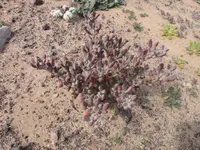
Zygophyllum gaetulum is a compact, shrubby succulent from arid regions of North Africa. It has small, paired, fleshy leaves and a dense, branching habit that gives it a tidy, architectural look in pots. Yellow star-shaped flowers may appear in favorable conditions.

This species is adapted to strong sun, heat, and poor, very well-drained soils, which makes it drought-tolerant but sensitive to excess moisture. Its slow growth and preference for dry conditions mean it suits careful, patient growers who avoid overwatering. Understanding how to care for Zygophyllum gaetulum focuses mainly on providing strong light, sharp drainage, and restrained watering.

Main Plant Requirements

Care Difficulty

Easy Care

Light Preference

Full Sun

Water Requirements

Low Water

Temperature Preference

Warm Climate

Hardiness Zone

9–11

Soil Texture

Sandy, Loamy, Rocky

Soil pH

Neutral (7.0), Slightly alkaline (7.0–7.5)

Soil Drainage

Well-drained

Fertilization

Minimal (feed rarely)

Get Personalized Care Plan

Scan your plant to receive care tips personalized for your specific plant

Available on iOS and Android

How to Care for the Zygophyllum gaetulum

This desert succulent prefers strong sun but benefits from some protection in harsh climates.

  • Provide 6–8 hours of direct sun daily, ideally with bright morning sun and lighter afternoon exposure in very hot regions.
  • Plant in an open, unshaded spot outdoors; light, filtered shade during the hottest summer afternoons helps prevent leaf scorch on Zygophyllum gaetulum.
  • If stems stretch or foliage turns pale green, light is too low; reduce shade or move to a brighter, south- or west-facing position.

This species is highly drought-tolerant and must dry well between waterings.

  • Allow the top 3–5 cm of soil to dry completely before watering; in hot, dry weather this may mean deep watering every 10–21 days, depending on soil and exposure.
  • Use very fast-draining, gritty soil; water slowly until it drains from the base, then do not water again until the soil is fully dry at depth.
  • Shriveling, thin leaves indicate underwatering, while soft, yellowing or translucent leaves and blackened stems point to overwatering and root rot risk.

This plant thrives in warm, arid conditions and dislikes prolonged cold or frost.

  • Aim for 70–85°F (21–29°C) during active growth, with plenty of airflow in hot, dry weather to prevent heat stress.
  • It tolerates brief heat up to about 100–105°F (38–41°C) if soil is free-draining and the roots are not waterlogged in high temperatures.
  • Protect from frost; growth slows below 50°F (10°C) and damage occurs near or below 32°F (0°C), so provide cover or move plants under shelter in winter.

This desert succulent tolerates very dry indoor air and rarely needs special humidity management.

  • Target 30–40% relative humidity; typical heated or air-conditioned rooms fall within this range.
  • Dry, shriveling leaf tips or soft, collapsing stems are more often from root issues than low humidity.
  • If air is extremely dry from constant heating, place the pot away from hot vents rather than adding extra humidity.

This species needs a very fast-draining, mineral-rich substrate that mimics arid, stony ground.

  • Use a gritty mix: 50–60% coarse sand or fine gravel, 20–30% pumice or perlite, and 10–20% lean organic component such as sieved compost.
  • Aim for slightly alkaline to neutral pH around 7.0–7.8, which suits Zygophyllum gaetulum and limits nutrient lockout.
  • Increase aeration by using large, irregular particles (3–6 mm) and avoiding peat-heavy, compacting media that retain water.
  • Avoid dense loam, clay, or moisture-retentive houseplant mixes that keep roots wet for more than 1–2 days after watering.

This species is well suited to container culture due to its compact, shrubby succulent habit.

  • Choose a wide, shallow pot to accommodate spreading, fibrous roots and reduce the risk of waterlogged lower layers.
  • Use unglazed terracotta if extra evaporation is needed in cooler, less sunny locations to prevent moisture buildup around roots.
  • Add a heavy top dressing of gravel to stabilize the plant, limit stem contact with damp soil, and reduce surface evaporation swings.

This drought-adapted succulent needs only light feeding under cultivation, especially when grown in lean, gritty soil.

  • Use a low-strength balanced NPK liquid fertilizer at 1⁄4–1⁄2 label dose during active growth in spring–summer.
  • Feed Zygophyllum gaetulum no more than every 4–6 weeks; skip if growth already looks strong and compact.
  • Avoid rich compost or heavy slow-release products that keep soil moist or encourage lush, weak growth.
  • Stop feeding in fall–winter to match the plant’s slower metabolism and reduce risk of root problems.

Pruning is mainly used to maintain a compact, branching form and remove problem growth on this small shrub.

  • Best time for light shaping is late winter to early spring, before strong new growth starts.
  • Remove dead, damaged, or rubbing stems with clean, sharp scissors or small bypass pruners.
  • Shorten excessively long or leggy shoots to just above a leaf node to encourage denser branching on Zygophyllum gaetulum.
  • Avoid heavy cuts into old, woody sections; focus on younger growth to maintain natural structure.

Container-grown plants appreciate infrequent repotting, as long as drainage remains excellent and roots are not severely cramped.

  • Check for roots circling the pot, pushing through drainage holes, or noticeably slowed growth as signs Z. gaetulum needs more space.
  • Plan repotting or outdoor transplanting in late spring, once temperatures are consistently warm and soil is dry enough to handle.
  • Move up only 1 pot size, using a very gritty, fast-draining mix to limit water retention and root rot risk.
  • Minimize root disturbance, keep the root ball mostly intact, and water lightly once after moving, then allow soil to dry well.

Propagation is usually done from semi-ripe stem cuttings taken during the warm growing season.

  • Take 5–8 cm non-flowering cuttings in late spring–summer from healthy Zygophyllum gaetulum shoots.
  • Let cut ends callus for 1–2 days, then place in a gritty, almost dry mix under bright, indirect light.
  • Maintain warm conditions around 70–80°F with low–moderate humidity to reduce rot and support rooting.
  • Seeds can also be sown in a sandy mix kept slightly moist and warm, though germination may be slower and less uniform.

This desert species dislikes prolonged cold and needs protection from freezing conditions in most climates.

  • Treat as a frost-sensitive plant; aim to keep temperatures above 40°F, especially in wet weather.
  • Move containers indoors or into a cool, bright, frost-free space for winter in temperate regions.
  • Keep soil much drier in winter, watering only enough to prevent complete shriveling of stems and leaves.

Care Tips

Salt-aware watering

If using tap water in arid or coastal regions, occasionally flush the pot thoroughly until water runs freely from the drainage holes to reduce salt buildup that can damage this desert species’ roots.

Controlled root restriction

Keep the plant in a relatively snug, shallow pot and repot only when roots clearly circle the container, as mild root restriction helps maintain its compact, shrubby form and reduces overwatering risk.

Winter light rotation

During low-light winter months, rotate the container 90° every 2–3 weeks so all sides receive similar light and the plant does not lean or become lopsided.

Pebble-top dressing

Add a 0.5–1 in layer of coarse mineral mulch (such as pumice, gravel, or small stones) on top of the soil to keep stems dry at the base and mimic the rocky conditions this species prefers.

Acclimated outdoor time

In mild climates, gradually move the plant outdoors to a bright, sheltered spot for late spring to early fall, increasing exposure over 7–10 days to improve growth and resilience when growing Zygophyllum gaetulum.

Common Pests and Diseases

Mealybugs

This pest appears as small white cottony clusters on stems, leaf joints, and sometimes roots, feeding on the plant’s sap and weakening new growth.

Solution

Isolate the plant, then dab visible insects with cotton swabs dipped in 70% isopropyl alcohol and gently wipe affected areas; repeat weekly until no new clusters appear. For heavier infestations on Zygophyllum gaetulum care instructions may also include a light application of insecticidal soap, ensuring the soil stays on the dry side to avoid additional stress.

Soft scale

These insects form small, rounded or oval bumps on stems and leaf bases, excreting sticky honeydew that can lead to sooty mold on this shrubby succulent.

Solution

Scrape or wipe off individual scales with a soft cloth or toothbrush, then wash stems with a mild insecticidal soap solution. Improve air movement and light levels, and repeat inspections weekly, removing new scales before they harden.

Spider mites

This pest causes fine stippling on the fleshy leaves, slight bronzing, and sometimes very fine webbing between stems, especially in hot, dry indoor air.

Solution

Rinse the plant thoroughly with a gentle but strong stream of lukewarm water, focusing on the undersides of leaves and branch joints. Follow with regular misting of the foliage surface and, if needed, targeted use of insecticidal soap or a miticide labeled for indoor succulents, while keeping humidity slightly higher but soil dry.

Leaf spot

This disease produces small tan to brown spots or patches on leaves, sometimes with a darker edge, usually after prolonged leaf wetness or poor air circulation.

Solution

Remove and discard affected leaves and avoid overhead watering so foliage dries quickly. Provide more airflow and light, water only at the soil level, and in persistent cases apply a sulfur- or copper-based fungicide labeled for ornamental succulents according to package directions.

Interesting Facts

North African desert shrub

This species is native to arid regions of Algeria and Morocco, where it grows on rocky or sandy substrates in steppe and desert-like habitats exposed to intense sun and low rainfall.

Fleshy water-storing leaves

Its small, thick, succulent leaves store water and reduce surface area, an adaptation that limits water loss through transpiration in hot, dry environments.

Compact, low-growing habit

The plant typically forms a low, cushion-like shrub, a growth form that helps reduce wind exposure and water loss close to the ground in exposed desert sites.

FAQs about Zygophyllum gaetulum

Growth is generally slow to moderate. In favorable conditions it may add a few centimeters per year, gradually forming a low, shrubby clump. Limited water and poor light slow growth further, which is normal for this desert species.

Grow Healthy Plants with Botan Care

Keep your plants happy and healthy with plant identification, disease detection, and easy care guidance.


Botan plant care app — identify plants on mobile

Explore More Plants