Duckfoot Adromischus Care (Adromischus triflorus)

Also known as: Calico Heart, Duck's Foot
Duckfoot Adromischus

About Duckfoot Adromischus

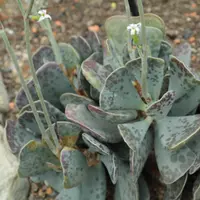
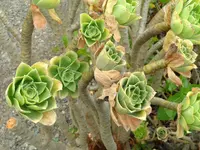
Duckfoot Adromischus (Adromischus triflorus) is a compact, clumping succulent valued for its thick, lobed leaves that resemble tiny duck feet. The leaves often show mottled or speckled markings, adding subtle interest on a windowsill or small indoor display.

This species is native to arid regions of South Africa, where it grows in rocky, well-drained sites with strong light and little rainfall. It stays small and slow-growing, which makes it suitable for containers and limited spaces.

Its drought tolerance and modest growth rate generally make it easy to care for Duckfoot Adromischus, provided it receives bright light, infrequent watering, and sharply draining soil.

Main Plant Requirements

Care Difficulty

Moderate Care

Light Preference

Partial Sun

Water Requirements

Low Water

Temperature Preference

Tropical / Frost Sensitive

Hardiness Zone

10–11

Soil Texture

Sandy, Loamy, Rocky

Soil pH

Slightly acidic (6.5–7.0), Neutral (7.0)

Soil Drainage

Well-drained

Fertilization

Minimal (feed rarely)

Get Personalized Care Plan

Scan your plant to receive care tips personalized for your specific plant

Available on iOS and Android

How to Care for the Duckfoot Adromischus

This compact succulent prefers bright, indirect light with some direct sun for best color and growth.

  • Provide 4–6 hours of morning sun or late-afternoon sun, with bright shade or filtered light during harsh midday hours, especially in hot, dry regions.
  • Outdoors, place Duckfoot Adromischus where it gets partial shade in summer; in cooler seasons it can handle more direct sun to maintain compact growth.
  • Watch leaves for feedback: pale, stretched growth indicates too little light, while scorched, brown patches mean sun exposure is too intense.

This species stores water in its leaves and needs infrequent, careful watering.

  • Water only when the top 3–5 cm of soil are completely dry, then soak the root zone thoroughly and let all excess drain away.
  • In spring and summer growth, drying between waterings may take 7–21 days, depending on temperature, pot size, and soil sharpness of drainage.
  • Reduce watering sharply in fall and winter; soft, translucent leaves suggest overwatering and rot risk, while wrinkled, slightly shriveled leaves point to underwatering in Adromischus triflorus.

This succulent favors warm, dry conditions and dislikes both frost and extreme heat combined with strong sun.

  • Aim for daytime temperatures of 65–80°F (18–27°C) and slightly cooler nights for steady growth and compact foliage.
  • Protect plants from cold; growth slows below about 55°F (13°C), and tissue damage occurs near or below 32°F (0°C), so shelter from frost and freezing drafts.
  • In hot spells above 90°F (32°C), give light shade and extra airflow, avoiding enclosed, stagnant spots that trap heat and increase stress.

This species tolerates typical indoor humidity and rarely needs special adjustments.

  • Target 30–50% humidity, which matches most heated or air-conditioned homes.
  • Dry air is usually tolerated, but very warm, drafty spots can speed leaf shriveling.
  • If leaves wrinkle despite correct watering, move the plant away from direct vents or use a small pebble tray, which is usually enough for Duckfoot Adromischus.

Use a very fast-draining, mineral-rich mix that dries quickly between waterings.

  • Choose a gritty, sandy structure rather than loamy or peat-heavy substrates to prevent moisture retention around the roots.
  • Aim for slightly acidic to neutral pH, roughly 6.0–7.0, which suits most commercial cactus or succulent mixes.
  • Combine 1 part cactus mix with 1–2 parts mineral amendments such as pumice, coarse perlite, and 2–4 mm grit or coarse sand to improve aeration.
  • Avoid fine compost, clay-heavy garden soil, and dense organic mixes, which trap water and greatly increase the risk of root rot in Adromischus triflorus.

This compact succulent is very suitable for container growing.

  • Select a shallow but wide pot so the fibrous, shallow roots can spread while excess water evaporates quickly from the mix surface.
  • Use unglazed terracotta if extra moisture loss is needed, especially in cooler or dimmer locations where the mix dries slowly.
  • Choose a stable, heavier pot or add top-dressing grit so the light root system does not let the plant tip over when stems become lopsided.

This compact succulent grows well with light, controlled feeding during the active season.

  • Use a balanced liquid cactus fertilizer (around 10-10-10) diluted to 25–50% strength for Duckfoot Adromischus.
  • Feed every 4–6 weeks in spring and summer only, on already moist soil to avoid root burn.
  • Do not apply compost or rich organic feeds; excess nutrients cause weak, stretched growth.
  • Stop feeding in fall and winter, when growth slows, to prevent soft, frost-sensitive tissue.

Adromischus triflorus needs only light pruning to maintain a compact, tidy shape.

  • Best time is late winter to early spring, before strong new growth begins.
  • Remove dead, shriveled, or damaged leaves and any rotting stems with clean, sharp scissors.
  • Trim back leggy shoots just above a node to encourage branching and denser growth.
  • Disinfect tools before and after use to reduce the risk of fungal or bacterial infection.

This slow-growing succulent prefers infrequent repotting and a stable root environment.

  • Repot every 2–3 years or when roots circle the pot base or emerge from drainage holes.
  • Plan repotting for late winter or early spring, just before active growth resumes.
  • Use a shallow container with ample drainage and a gritty cactus mix to limit moisture around roots.
  • Lift gently, shake off old soil, trim dead roots, then replant at the same depth and water lightly after 3–5 days.

Adromischus triflorus is commonly propagated from leaf or stem cuttings under warm, bright conditions.

  • Take healthy leaf or short stem cuttings in spring or early summer for best rooting.
  • Allow cut surfaces to dry and callus for 2–3 days to lower rot risk.
  • Set cuttings on or slightly in gritty, barely moist cactus mix in bright, indirect light.
  • Keep temperatures around 68–75°F and moisture low; roots usually form within several weeks.

This succulent is frost sensitive and needs cool, dry, but above-freezing winter conditions.

  • Keep plants at 40–50°F indoors or in a frost-free greenhouse during winter months.
  • Move containers inside before temperatures drop below 35°F, ensuring bright light and good airflow.
  • Water very sparingly, letting soil dry completely between light sips to prevent root rot.
  • Avoid drafts directly from cold windows; use a tray of dry gravel as insulation under pots.

Care Tips

Rotate For Symmetry

Turn the pot 90° every 2–3 weeks so all sides receive similar light intensity, which keeps rosettes compact and prevents lopsided, stretched growth.

Use Top-Dressing Grit

Add a 0.5–1 cm layer of inert grit (pumice, granite, or coarse sand) on the soil surface to keep leaf bases dry, reduce fungus gnat breeding, and stabilize shallow roots.

Seasonal Water Pause

In winter, especially below 60°F and in low light, extend intervals between waterings significantly to prevent root rot during the plant’s semi-dormant phase.

Targeted Pest Inspection

Inspect leaf bases and the undersides of lower leaves every 2–4 weeks with a hand lens, since mealybugs often hide in these tight crevices and are easier to control when caught early.

Quarantine New Plants

Keep any new succulents at least 2–3 weeks in a separate area before placing them near established plants, which lowers the risk of introducing pests that can complicate caring for Duckfoot Adromischus.

Common Pests and Diseases

Mealybugs

This pest feeds on sap and often hides in leaf axils and along the thick, clustered stems, leaving cottony white masses and sticky honeydew. Symptoms include stunted growth, puckered leaves, and a general decline in plant vigor.

Solution

Isolate the plant, then dab visible insects with cotton swabs dipped in 70% isopropyl alcohol and repeat weekly until no new clusters appear. Increase light and airflow, avoid overfertilizing, and if the infestation is larger, use a ready-to-use insecticidal soap or neem oil spray, making sure to cover stem joints and the undersides of leaves.

Aphids

These insects often colonize the soft tips of new growth and flower stalks, sucking sap and causing curling or distortion of the thick leaves. Sticky honeydew and sooty mold may develop on the leaf surfaces beneath infestations.

Solution

Rinse the plant gently but thoroughly with a stream of lukewarm water to dislodge colonies, then allow it to dry in bright light. For recurring problems, treat the growing Adromischus triflorus with insecticidal soap every 5–7 days for several cycles, improving air movement and avoiding excessive nitrogen fertilizer that encourages soft, aphid-prone growth.

Spider mites

This pest is favored by the dry, warm conditions often used for succulents and can cause tiny pale speckling on leaves and fine webbing between segments. Symptoms include dull, rough-textured foliage and gradual leaf drop.

Solution

Shower the plant with a gentle spray of water to wash off mites and webs, then let it dry quickly in bright, indirect light. Follow up with repeated applications of insecticidal soap or horticultural oil, and maintain slightly higher ambient humidity and good air circulation without wetting the soil excessively.

Fungal leaf spots

This disease appears as small, dark, often sunken spots on the fleshy leaves, sometimes with a yellow halo, usually following prolonged surface moisture. Symptoms include localized tissue collapse where water collected or where leaves touched wet soil or gravel.

Solution

Remove and discard affected leaves, then adjust watering so leaves stay dry and the plant is watered at the soil level only. Improve ventilation, space plants so leaves do not touch, and if spotting continues, apply a sulfur- or copper-based fungicide labeled for succulents, following label directions carefully.

Edema

Symptoms include water-soaked blisters or corky, raised patches on leaves caused by the roots taking up water faster than it can be transpired, which is common when this species is kept cool and very wet. Leaves may become misshapen or rough in localized areas but often remain green.

Solution

Allow the soil to dry more thoroughly between waterings, especially in cooler seasons, and use a very well-draining succulent mix in a pot with ample drainage holes. Provide strong light, avoid sudden shifts from very dry to very wet soil, and water lightly but regularly rather than giving large, infrequent soakings.

Interesting Facts

Namaqualand cliff specialist

This species is naturally restricted to rocky cliffs and ledges in South Africa’s Namaqualand, where it anchors itself in shallow crevices that collect brief seasonal moisture.

Seasonal leaf swelling

Its thick, duckfoot-shaped leaves swell noticeably after winter–spring rains and then slowly shrink through the dry season as stored water is used.

Spotted leaf variability

Wild populations show considerable variation in leaf spotting and shape, with some plants almost plain green and others heavily mottled, reflecting local microhabitat and genetic differences.

Botan icon

Did you know?

In habitat this plant often grows wedged between quartz or sandstone rocks, benefiting from the bright reflected light and the slight cooling and shading those pale stones provide in the intense Namaqualand sun.

FAQs about Duckfoot Adromischus

This species may not flower if it is too young, seasonally out of sync, or stressed. Mild cool, bright, dry winter conditions usually trigger buds. Flowers are modest, so the display can be easy to overlook.

Grow Healthy Plants with Botan Care

Keep your plants happy and healthy with plant identification, disease detection, and easy care guidance.

Botan plant care app — identify plants on mobile

Explore More Plants