coastal cholla Care (Cylindropuntia prolifera)

Also known as: Coast Cholla
coastal cholla

About coastal cholla

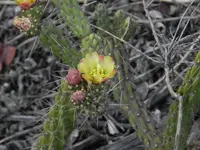
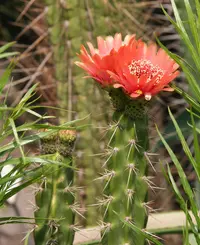
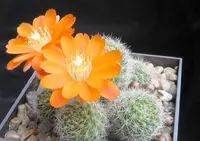
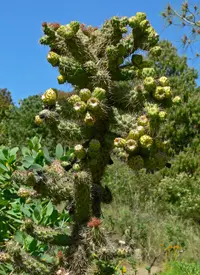
Coastal cholla, Cylindropuntia prolifera, is a shrubby cactus native to coastal southern California and Baja California. It forms dense, branching clumps with many cylindrical, jointed stems. These stems are covered in sharp spines and detachable segments that can cling to animals or clothing. Flowers are typically magenta to purple, followed by small, often persistent fruits. The plant tolerates poor, sandy, or rocky soils and intense sun, which makes it hardy but potentially invasive in mild, dry climates. Its drought tolerance and low nutrient needs can make it easy to grow if space and safety are managed, but how to care for coastal cholla must always account for its aggressive spines and spreading habit.

Main Plant Requirements

Care Difficulty

Easy Care

Light Preference

Full Sun

Water Requirements

Low Water

Temperature Preference

Warm Climate

Hardiness Zone

8–11

Soil Texture

Sandy, Loamy, Rocky

Soil pH

Slightly acidic (6.5–7.0), Slightly alkaline (7.0–7.5)

Soil Drainage

Well-drained

Fertilization

Minimal (feed rarely)

Get Personalized Care Plan

Scan your plant to receive care tips personalized for your specific plant

Available on iOS and Android

How to Care for the coastal cholla

This drought-hardy cactus thrives in strong light and needs direct sun to stay compact and healthy.

  • Provide 6–8 hours of direct sun daily; full sun exposure suits coastal cholla in most coastal and arid regions.
  • Accepts light partial shade, especially with hot afternoon sun, but too much shade causes stretched, weak pads and reduced flowering.
  • In cooler seasons, maximize sun by avoiding shade from buildings or shrubs; in extreme summer heat, very young plants benefit from light afternoon protection.

This succulent cactus is highly drought-tolerant and prefers infrequent, deep watering in fast-draining soil.

  • Water only when the top 5–8 cm of soil are completely dry; in most dry climates this means long gaps between waterings.
  • Use very gritty, sharply draining soil so water runs through quickly; standing water or compact clay leads to root rot in Cylindropuntia prolifera.
  • Reduce or stop watering in cool winter months; signs of excess water include yellowing, soft pads, and blackened bases, while severe wrinkling indicates prolonged drought.

This desert-adapted cactus prefers warm, dry conditions and tolerates a wide temperature range once established.

  • Optimal growing temperatures are about 70–90°F (21–32°C), with excellent tolerance of dry heat up to around 100–105°F (38–41°C) if soil drains freely.
  • Mature plants often survive brief drops to 25–28°F (-4 to -2°C), but repeated hard freezes damage young growth and tips.
  • Aim to site plants where winters stay mostly above 30°F (-1°C) and soil stays dry; cold combined with wet soil greatly increases tissue damage.

Humidity is rarely a concern for Cylindropuntia prolifera, which is strongly adapted to arid conditions.

This cactus needs very fast-draining, mineral-based soil to prevent root rot.

  • Use a gritty mix such as 50–60% coarse sand or small gravel with 40–50% cactus potting mix.
  • Aim for slightly acidic to neutral pH, roughly 6.0–7.0, which supports root function without nutrient lockout.
  • Increase aeration by adding extra pumice or perlite if water does not drain through within a few seconds.
  • Avoid clay-heavy, compacted, or peat-heavy substrates that stay wet or form crusts on the surface.

This species is suitable for container growing when the pot is chosen and managed for fast drainage and stability.

  • Choose a wide, heavy container to counter the sprawling, sometimes top-heavy pads and reduce the risk of tipping in wind.
  • Select unglazed terracotta or similarly porous material so moisture escapes quickly and the root zone stays dry between waterings.
  • Fill the pot only two-thirds with the root mass initially to keep the plant low and stable rather than perched high above the rim.

This desert-adapted species needs minimal feeding, so focus on light support rather than heavy fertilization.

  • During spring–summer growth, use a diluted balanced liquid fertilizer (around 10-10-10) at 1/4–1/2 strength once every 6–8 weeks if growth seems weak.
  • Choose cactus-specific fertilizer or well-aged compost, avoiding high-nitrogen products that cause overly soft, weak stems.
  • Skip feeding in fall–winter when growth slows or stops, especially for container plants kept cool and bright.
  • For coastal cholla in very poor, sandy soils, a thin surface dressing of compost in spring is usually sufficient.

Pruning Cylindropuntia prolifera is mainly done for safety, size control, and plant health.

  • Best timing is late winter to early spring, before strong new growth, in dry weather to limit disease entry.
  • Remove dead, damaged, or diseased joints first, then thin crowded or crossing stems to open the plant’s structure.
  • Use long-handled loppers or a pruning saw plus thick gloves and tongs to manage the spines safely.
  • Shaping by selectively shortening overly long arms maintains form and stability without greatly reducing flowering.

This cactus is usually grown in-ground, so focus on careful transplanting or infrequent container repotting.

  • Transplant or up-pot in late spring when nights are warm and soil dries reliably between waterings.
  • Look for roots circling the pot, water draining very slowly, or stalled growth as signs a container plant needs more space.
  • Repot or transplant only every 3–5 years, moving to a slightly larger container or drier, well-drained site with gritty soil.
  • Minimize root stress by working dry, gently loosening the root ball, replanting at the same depth, and withholding water for 5–7 days afterward.

This species is most commonly propagated from stem segments rather than from seed.

  • Take healthy, pest-free stem joints in late spring–summer and detach cleanly at the natural joint line.
  • Allow cut segments to dry and callus for 5–10 days in shade before planting to reduce rot risk.
  • Insert the callused end into a very well-drained, gritty mix, keeping it barely moist and in bright, indirect light until roots form.
  • Seeds can also be sown in warm conditions but germinate slowly; maintain lightly moist, not wet, substrate.

This cactus is fairly cold tolerant in dry conditions but can suffer damage in prolonged hard freezes or wet cold.

  • In-ground plants in mild climates often overwinter without special measures if soil drains quickly.
  • Where temperatures drop below about 20°F, apply a light gravel mulch to improve drainage around the root zone.
  • Move container plants under cover or indoors to a bright, cool, very dry spot before severe freezes and saturated winter soils.

Care Tips

Stabilize Heavy Clumps

As stems elongate and become top-heavy, anchor the base with coarse gravel or rocks and, in very windy sites, use discreet, UV-stable ties to a rigid stake or fence post to prevent uprooting or breakage.

Control Unwanted Spread

Because joints root very easily, regularly collect and discard fallen segments and use a sharp, clean tool to remove unwanted pads before they touch soil, placing all debris in a sturdy container to avoid accidental propagation.

Use Protective Barriers

In high-traffic areas, install a low rock border or short wire barrier around the plant so people and pets do not brush against the spines, which can detach and embed in skin or clothing.

Segment Propagation Hygiene

When propagating from cut segments, allow the cut ends to dry and callus for 5–10 days in a shaded, airy place, then plant in a dedicated tray so new roots do not become entangled with established plants.

Monitor Spine Pests

Inspect spines and stem joints a few times per year for cochineal scale (white cottony clusters); if present, blast them off with a strong jet of water, then follow with a targeted horticultural soap treatment if needed when growing coastal cholla.

Common Pests and Diseases

Cochineal scale

This pest forms white, cottony clusters on pads and stems and sucks plant sap, leading to yellowing and weakened segments. Symptoms include sticky residue and pink-red staining when insects are crushed.

Solution

Prune and discard heavily infested segments, then spray the plant forcefully with water to dislodge remaining insects. Follow with applications of insecticidal soap or a horticultural oil labeled for cacti, repeating weekly until the cottony tufts no longer reappear.

Cactus longhorn beetle

This pest chews into stems and pads, and its larvae tunnel inside, causing segments to collapse or die back. Symptoms include oval feeding scars, black frass at entry points, and sudden structural failure of joints.

Solution

Remove and destroy any infested or collapsing segments promptly, checking cut surfaces for tunneling larvae. Reduce nearby cactus debris that can harbor beetles, and, in outdoor plantings, use nighttime hand-picking of adults and physical barriers such as fine mesh or hardware cloth around valuable plants where practical.

Phyllosticta pad spot

This disease causes small, sunken, tan to dark-brown spots on pads that may enlarge and coalesce, sometimes with a darker margin. Symptoms include dry, scabbed lesions that can deform affected segments over time.

Solution

Cut out and discard infected pads with a sterile knife, making clean cuts through healthy tissue and allowing the wound to dry in bright, dry conditions. Improve air movement, avoid overhead watering, and space plants so pads dry quickly; in severe, recurrent cases, use a copper-based fungicide according to label directions as part of broader Cylindropuntia prolifera care.

Fusarium stem canker

This disease infects through wounds and causes localized brown to black cankers on stems or joints, often leading to shriveling above the infected area. Symptoms include discolored internal tissue and progressive dieback from the infection point.

Solution

Remove affected stems well below the discolored tissue with sterilized tools and dispose of them away from the planting area. Minimize mechanical injury, keep the plant in a well-draining, low-moisture substrate, and if grown in containers, avoid reusing contaminated soil or pots without thorough disinfection.

Interesting Facts

Clonal stem chains

This coastal cholla often spreads by dropping stem joints that root and form long clonal lines, so many neighboring plants may be genetically identical extensions of a single original individual.

Hybridization specialist

It frequently hybridizes with other cholla species in coastal southern California, creating complex hybrid swarms that make field identification difficult even for botanists.

Salt-tolerant coastal native

This species is naturally restricted to the immediate Pacific coast of southern California and northern Baja California, where it tolerates salty air, sandy soils, and maritime wind exposure better than many other cacti.

Botan icon

Did you know?

Historically, dense stands of this cholla were used as natural living fences in parts of coastal southern California and Baja California because the interlocking, heavily spined stems created an effective barrier for livestock and people.

FAQs about coastal cholla

Lack of flowers usually comes from insufficient light, plants being too young, or stress from recent transplanting or pruning. Mature, well-rooted plants in high light with a cool, dry winter rest tend to flower more reliably when growing coastal cholla.

Grow Healthy Plants with Botan Care

Keep your plants happy and healthy with plant identification, disease detection, and easy care guidance.

Botan plant care app — identify plants on mobile

Explore More Plants