Thompson's yucca Care (Yucca thompsoniana)

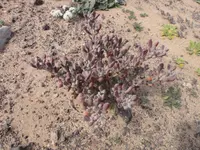
Thompson's yucca

About Thompson's yucca

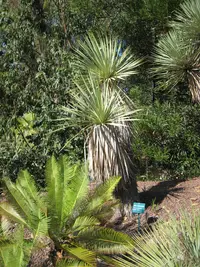
Thompson's yucca (Yucca thompsoniana) is a slow-growing, trunk-forming yucca from arid regions of Texas and northern Mexico. It is an evergreen shrub or small tree with stiff, narrow blue-green leaves arranged in dense crowns.

Mature plants often branch, creating a multi-headed, architectural silhouette that suits dry gardens and xeriscapes. In spring, tall flower stalks carry clusters of creamy white blooms that attract pollinators.

This species is naturally adapted to full sun, heat, and drought, which makes it relatively low-maintenance when planted in sharply draining soil. Understanding how to care for Thompson's yucca is mainly about avoiding excess moisture and providing strong light.

Main Plant Requirements

Care Difficulty

Easy Care

Light Preference

Full Sun

Water Requirements

Low Water

Temperature Preference

Cold Hardy

Hardiness Zone

5–10

Soil Texture

Sandy, Loamy, Rocky

Soil pH

Slightly acidic (6.5–7.0), Slightly alkaline (7.0–7.5)

Soil Drainage

Well-drained

Fertilization

Minimal (feed rarely)

Get Personalized Care Plan

Scan your plant to receive care tips personalized for your specific plant

Available on iOS and Android

How to Care for the Thompson's yucca

This desert species prefers strong light and thrives in open, exposed positions.

  • Aim for 6–10 hours of direct sun daily; morning and midday sun are ideal in most climates, with light afternoon shade in very hot regions.
  • Plant Thompson's yucca where it receives full sun; it tolerates bright, open partial shade but may elongate and produce looser foliage.
  • In winter, lower sun angles are acceptable, but avoid dense shade from buildings or trees, which leads to weak growth and reduced vigor.

This species is highly drought tolerant and prefers infrequent, deep watering.

  • Allow the soil to dry completely at least through the top 5–10 cm before watering, then soak the root zone thoroughly and let excess drain away.
  • Use very well-drained, gritty or sandy soil to prevent standing water, since Yucca thompsoniana is prone to root rot in wet, compacted ground.
  • In hot, dry summers, observe leaves: severe curling and browning tips can signal underwatering, while yellowing, soft leaves suggest overwatering.

This yucca is adapted to wide temperature swings but still has clear limits.

  • Optimal growing temperatures are 65–90°F (18–32°C), with strong sun and dry air supporting healthy, compact growth.
  • Established plants can survive brief drops to about 0–5°F (-18 to -15°C) if soil drains sharply and crowns stay dry, but young plants are less hardy.
  • It tolerates heat up to 100–110°F (38–43°C) if roots are not waterlogged; avoid low, frost-prone pockets where cold air collects in winter.

This species tolerates very dry air and usually does not need extra humidity control indoors or outdoors.

  • Aim for 30–50% humidity, similar to typical heated or air-conditioned rooms.
  • Dry, brown leaf tips with otherwise firm leaves usually relate more to watering, salt buildup, or drafts than low humidity.
  • If air is extremely dry below 20%, grouping plants together is usually sufficient; avoid constant misting, which can encourage leaf spotting.

Yucca thompsoniana prefers very fast-draining, mineral-based soil that mimics arid, rocky habitats.

  • Use a gritty mix such as 50–70% mineral material: coarse sand, pumice, or small gravel blended with a cactus mix.
  • Ensure water drains through in seconds, not minutes; water should never pool on the surface or in the saucer.
  • Aim for slightly alkaline to neutral pH around 7.0–8.0, avoiding acidic peat-heavy mixes that stay wet for long periods.
  • Elevate containers or plant on a slope or mound outdoors to further improve drainage and prevent crown rot.

This species is suitable for container growing when the pot is prepared to manage its deep, heavy root system and top-heavy form.

  • Choose a tall, heavy pot that resists tipping as the trunk elongates and the crown becomes heavier.
  • Select thick-walled terracotta if extra evaporation is needed in wet climates, as it allows faster drying than plastic or glazed ceramic.
  • Leave a dry top layer of 2–3 cm coarse gravel to reduce moisture against the stem base and to stabilize the root zone.

This drought-adapted species needs only light feeding in most garden soils.

  • Apply a low-dose balanced NPK granular or slow-release fertilizer once in spring for in-ground plants on poor, sandy sites.
  • For container-grown Thompson's yucca, use a half-strength balanced liquid fertilizer every 4–6 weeks during spring–summer.
  • Avoid feeding in fall–winter when growth slows, to prevent weak, cold-sensitive tissue.
  • Do not overapply compost or rich feeds, which can cause lanky, unstable growth and root problems.

Pruning Yucca thompsoniana focuses on cleanliness, safety, and maintaining a strong architectural form.

  • Best time is late winter to early spring, before active growth begins.
  • Cut away dead, damaged, or badly scarred leaves with clean, sharp hand pruners close to the trunk base.
  • Remove crossing or crowded heads only if needed to improve structure or clearance, preserving the plant’s natural silhouette.
  • Disinfect tools between plants with alcohol or a 10% bleach solution to limit disease spread.

This species is usually grown in the ground, where it dislikes frequent disturbance.

  • Transplant in late spring when soil has warmed and frost risk has passed, to allow fast root recovery.
  • Move only when necessary, such as poor drainage, crowding, or construction, ideally every many years rather than on a schedule.
  • Dig a wide, shallow root ball, disturbing roots as little as possible, and replant at the same depth in sharply drained soil.
  • Water deeply once after transplanting, then allow soil to almost dry between light irrigations to limit rot and stress.

Propagation is possible but slow, and often reserved for experienced growers or collectors.

  • Use seed in late winter–spring; sow in a very well-drained gritty mix and keep at 70–80°F with bright light.
  • Offsets or basal shoots, if present, can be separated with a clean knife, retaining as many roots as possible.
  • For stem cuttings, allow cut surfaces to dry and callus for several days, then plant in a coarse, barely moist substrate.
  • Provide strong light, warm temperatures, and minimal watering until new, firm root growth is evident.

This yucca is notably cold hardy and usually needs minimal winter attention in suitable climates.

  • Mature plants tolerate substantial frost when grown in sharply drained soil, especially in dry winter climates.
  • In colder regions, apply a 5–8 cm layer of gravelly mulch around the root zone, keeping it off the trunk.
  • Container plants in regions colder than their rated hardiness should be moved to a bright, cold but frost-free space.

Care Tips

Improve Root Anchorage

Plant in a slightly elevated mound and gently firm the soil around the base to encourage deep anchoring roots and reduce the risk of the plant rocking or leaning in strong winds.

Trunk Height Management

If a taller trunk is desired, gradually remove only the lowest, oldest leaves each year to expose more stem while keeping a full crown of healthy foliage at the top.

Cold Event Protection

Before a hard freeze, loosely tie the leaves upward around the growing point and cover the crown with a breathable frost cloth to protect the meristem, then remove the cover once temperatures rise.

Weed And Gravel Control

Use a 5–8 cm layer of coarse gravel around the base instead of organic mulch to suppress weeds, keep the crown dry, and maintain the arid conditions this species prefers.

Container Stabilization

For potted plants in windy or exposed spots, choose a heavy, wide-based container and add a layer of coarse gravel at the bottom to lower the center of gravity and stabilize the plant when caring for Thompson's yucca.

Common Pests and Diseases

Yucca moth larvae

This pest uses the leaf bases and trunk as a feeding site, leaving small entry holes, frass, and internal tunneling that can weaken the stem. Symptoms include wilting crowns or localized rot starting from a bore site.

Solution

Prune and destroy heavily infested heads or stems, cutting back to clean, solid tissue and allowing wounds to dry in good airflow. For minor activity, manually remove larvae from accessible tunnels and consider using a targeted Bacillus thuringiensis (Bt) product on emerging moths, while maintaining the plant slightly drier to reduce secondary rot in damaged tissue.

Scale insects

These insects attach to leaves and stems, appearing as small, hard bumps that extract sap and cause yellowing, reduced vigor, and sticky honeydew on nearby surfaces. In dry climates they can build up on the leaf bases and trunk armor of Thompson's yucca.

Solution

Physically remove scales by gently scrubbing trunk and lower leaves with a soft brush and mild soapy water, then rinse well and let the plant dry. For persistent infestations, apply a horticultural oil spray to thoroughly coat the insects while avoiding application during high heat over 85–90°F to prevent leaf burn.

Leaf spot

This disease causes small tan to dark brown spots on the stiff leaves, often starting near the tips or margins where water lingers. Symptoms include slow expansion of spots and eventual drying or cracking of affected areas.

Solution

Remove and discard badly spotted leaves to reduce inoculum, cutting cleanly at the base. Improve airflow, avoid overhead watering, and if spots continue to spread, use a copper-based fungicide labeled for ornamental yuccas, applied during a cool, dry part of the day following label directions as part of broader Yucca thompsoniana care instructions.

Crown rot

This disease begins in the central growing point where water and organic debris accumulate, leading to soft, foul-smelling tissue and a collapsing crown. Symptoms include sudden top decline even while lower trunk tissue appears firm at first.

Solution

Cut out all soft, discolored crown tissue with sterile tools until only firm, pale tissue remains, and allow the exposed area to dry thoroughly with full sun and strong airflow. Reduce or eliminate summer irrigation at the crown, ensure very sharp drainage around the base, and avoid mulching directly against the trunk to limit future moisture buildup.

Interesting Facts

Trunk branching pattern

This species often develops multiple heads from a single trunk after flowering or damage, creating a candelabra-like silhouette that is less common in related yuccas with single crowns.

Cold-hardy desert yucca

Unlike many arid-land yuccas, it naturally tolerates winter lows well below freezing in its native range of west Texas and northern Mexico, which makes Yucca thompsoniana plant care different from more strictly warm-desert species.

Rigid, narrow leaves

Its stiff, narrow blue-green leaves form a dense spherical crown and are tipped with sharp spines, providing effective protection against herbivores in its exposed, rocky habitat.

Botan icon

Did you know?

This species often grows on limestone hills and rocky slopes in the Chihuahuan Desert, where its deep root system allows it to access limited moisture and anchor securely in shallow, fractured rock substrates.

FAQs about Thompson's yucca

Brown tips usually come from low humidity, excess fertilizer salts, or past underwatering. Flush the soil, reduce fertilizer, and remove only the driest tips. Check for cold drafts or heat sources that can scorch foliage.

Grow Healthy Plants with Botan Care

Keep your plants happy and healthy with plant identification, disease detection, and easy care guidance.

Botan plant care app — identify plants on mobile

Explore More Plants