


Grit top-dressing
Apply a 0.5–1 in layer of clean mineral grit (pumice, lava rock, or coarse sand) on the soil surface to keep the base dry, reduce rot risk, and prevent algae or fungus gnat problems when caring for bunched cory cactus.

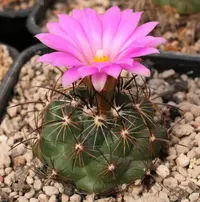
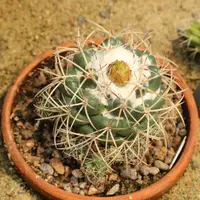
The bunched cory cactus, Coryphantha ramillosa, is a small, clustering desert cactus from northern Mexico and Texas. It forms rounded, ribbed stems covered with short spines and small woolly areoles. In season it produces relatively large, showy flowers on top of the stems, followed by small fruits. Plants stay compact, which suits containers and rock gardens. This species is adapted to arid habitats with high light, fast-draining mineral soils, and brief natural rain periods. It is slow growing but long lived when kept dry and cool in winter. Once its need for strong light and excellent drainage is understood, it is straightforward to care for bunched cory cactus.

Care Difficulty
Moderate Care

Light Preference
Full Sun

Water Requirements
Low Water

Temperature Preference
Tropical / Frost Sensitive

Hardiness Zone
9–11

Soil Texture
Sandy, Rocky, Loamy

Soil pH
Slightly acidic (6.5–7.0), Neutral (7.0)

Soil Drainage
Well-drained

Fertilization
Minimal (feed rarely)
Scan your plant to receive care tips personalized for your specific plant
Available on iOS and Android
This desert cactus thrives with strong light that mimics open, arid habitats.
This species prefers thorough but infrequent watering that allows the root zone to dry between soakings.
This cactus is adapted to hot, semi-arid conditions but needs protection from hard frost.
This desert cactus prefers dry air and rarely needs extra humidity attention.
This species needs a very fast-draining, mineral-rich substrate that mimics rocky desert soil.
This cactus is well suited to container growing when the pot controls moisture and supports its shallow root system.
Coryphantha ramillosa is a slow-growing desert cactus that needs only light feeding in containers.
Coryphantha ramillosa needs almost no pruning beyond basic hygiene.
This cactus prefers to stay slightly root-bound and only needs infrequent repotting.
Propagation of Coryphantha ramillosa is usually done from seed and requires patience.
Winter care for Coryphantha ramillosa focuses on keeping it cold but very dry.

Plant Health Check
Not sure what's wrong with your plant? Check your plant's health inside the app.
This species is naturally restricted to a small area of the Chihuahuan Desert in Texas and Coahuila, Mexico, where it grows on limestone-derived, calcareous soils and rocky slopes.
Instead of obvious ribs, the stem is covered with conical tubercles that have a deep groove on top, guiding rainwater and dew toward the areoles where flower buds and new growth form.
Mature plants produce relatively large, pale pink to rose-colored flowers with yellow centers that can nearly cover the small body of the cactus during peak bloom in summer.

In the United States this species is listed as threatened under the Endangered Species Act due to its naturally limited range and habitat pressures, making wild populations a conservation priority.
This species grows slowly, usually adding only a few millimeters of height and width per year. Growth is most noticeable in warm months. In cool or low-light conditions it may appear almost unchanged from year to year.
Keep your plants happy and healthy with plant identification, disease detection, and easy care guidance.

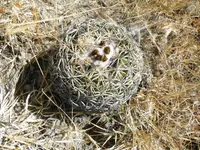
Coryphantha retusa
Coryphantha retusa
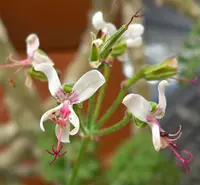
Meaty Storksbill
Pelargonium carnosum
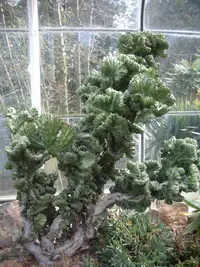
Elkhorn
Euphorbia lactea 'Cristata'
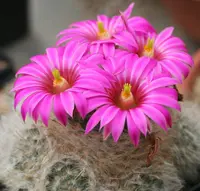
Cochemiea guelzowiana
Cochemiea guelzowiana
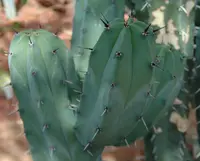
Bilberry Cactus
Myrtillocactus geometrizans
Euphorbia bosseri
Euphorbia bosseri
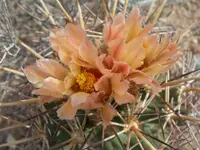
Pima Pineapple Cactus
Coryphantha robustispina
Coryphantha poselgeriana
Coryphantha poselgeriana