Coryphantha retusa Care

Coryphantha retusa

About Coryphantha retusa

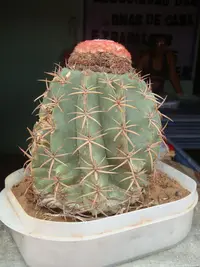
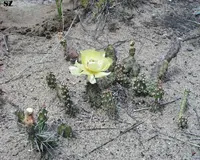
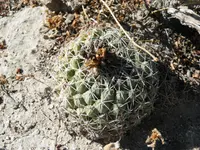
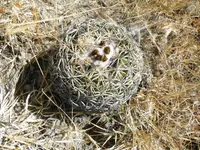
Coryphantha retusa is a small, slow-growing cactus native to arid regions of northern Mexico. It forms a squat, rounded stem with distinct tubercles instead of ribs. Short spines cluster at the tips of these tubercles, and in good light the plant stays compact and well-shaped.

In late spring or summer it may produce showy, funnel-shaped flowers from the crown, creating a strong contrast with the green body. Its drought tolerance and small size make it suitable for windowsills and small collections.

Because it dislikes excess moisture and root disturbance, it is considered moderately easy only for growers who respect its needs. Understanding how to care for Coryphantha retusa focuses on strong light, very fast-draining mineral soil, and careful watering.

Main Plant Requirements

Care Difficulty

Moderate Care

Light Preference

Full Sun

Water Requirements

Low Water

Temperature Preference

Warm Climate

Hardiness Zone

9–11

Soil Texture

Sandy, Rocky, Loamy

Soil pH

Slightly acidic (6.5–7.0), Neutral (7.0)

Soil Drainage

Well-drained

Fertilization

Minimal (feed rarely)

Get Personalized Care Plan

Scan your plant to receive care tips personalized for your specific plant

Available on iOS and Android

How to Care for the Coryphantha retusa

This small desert cactus prefers strong light but benefits from some seasonal protection from intense sun.

  • Provide 6–8 hours of direct sun daily, ideally with morning sun and light afternoon shade, especially in hotter regions.
  • In very bright, hot climates, use 30–40% shade cloth at midday to prevent bleaching, yellowing, or corky patches on Coryphantha retusa.
  • If stems elongate or lean strongly toward the window, light is too low; move the plant to a brighter, unobstructed south- or west-facing position.

Watering should mimic brief desert rains followed by dry periods to keep this cactus healthy.

  • In active growth, water only when the top 3–5 cm of soil are completely dry, then soak thoroughly and let excess drain away quickly.
  • Use a very fast-draining mineral-rich mix; soggy soil, a sour smell, or soft, translucent tissue on Coryphantha retusa signals overwatering and possible root rot.
  • In winter or cool, low-light periods, reduce watering to light sips every 4–6 weeks, watching for slight wrinkling as a sign it is time to water.

This species prefers warm, dry conditions with a clear cool-rest period but must be protected from hard frost.

  • Aim for 70–85°F (21–29°C) during the growing season; short spikes to 95°F (35°C) are tolerated if soil is dry and airflow is good.
  • In winter, a cool rest at 45–55°F (7–13°C) is ideal, but keep the plant almost dry to prevent cold-related rot.
  • Avoid frost below 28°F (-2°C); prolonged freezing, icy winds, or sudden temperature drops can scar tissue and kill roots.

This cactus prefers dry air and generally does not need humidity adjustment indoors.

  • Aim for 30–50% relative humidity, similar to typical heated indoor air in many homes.
  • It tolerates very dry air; issues arise more from excess moisture than low humidity.
  • If tissue turns soft or translucent, reduce nearby water sources and increase air movement rather than adding humidity.

Soil for this cactus must be very fast-draining and highly mineral to prevent root rot.

  • Use a gritty mix such as 60–70% mineral components (pumice, coarse sand, small gravel) with 30–40% cactus potting mix.
  • Target slightly acidic to neutral pH around 6.0–7.0, which supports nutrient uptake without encouraging rot.
  • Increase aeration by avoiding fine peat and using coarse, angular particles that create stable air gaps around roots.
  • Do not use heavy, compacted, or moisture-retentive soils, as Coryphantha retusa is highly sensitive to prolonged wetness.

This species is well suited to container growing due to its compact, shallow root system.

  • Choose a wide, shallow pot to match the shallow roots and reduce the risk of water sitting deep around them.
  • Select an unglazed terracotta pot so moisture evaporates faster through the walls after watering.
  • Raise the pot slightly on feet or mesh so drainage holes stay clear and water exits quickly after each watering.

This small desert cactus needs only light feeding to stay healthy in containers.

  • Use a low-nitrogen, balanced cactus fertilizer (for example 5-10-10) diluted to 25–50% strength.
  • Feed Coryphantha retusa once every 4–6 weeks during the warm growing season only.
  • Avoid organic compost mixes, which can stay wet and encourage rot in the roots.
  • Stop feeding entirely in fall and winter when growth slows or stops.

Pruning needs for this cactus are minimal and focus on cleanliness rather than shaping.

  • Best timing is late spring or early summer, when tissue is actively growing and heals faster.
  • Remove only dead, dried, or clearly diseased sections with sterilized, sharp scissors or a craft knife.
  • Do not trim healthy stems or tubercles since this can distort the plant and invite infection.
  • Let any cut surfaces dry and callus in bright, dry air before watering again.

Repotting is infrequent, but careful handling prevents damage to roots and spines.

  • Plan to repot every 3–4 years or when roots circle the pot drainage holes and growth slows.
  • Choose late spring as the best season, when Coryphantha retusa resumes active growth.
  • Use a shallow pot with excellent drainage and a very gritty cactus mix to limit excess moisture.
  • Wear gloves, keep the root ball as intact as possible, and withhold watering for 5–7 days after repotting to reduce stress.

Propagation is most reliable from seed and requires patience and consistent warmth.

  • Sow fresh seeds in late spring into a sterile, very sandy cactus mix.
  • Provide 70–80°F bottom warmth, bright indirect light, and high but not dripping-wet humidity.
  • Lightly cover seeds, keep the surface just barely moist, and ventilate often to reduce fungal problems.
  • Grow seedlings in the tray for 1–2 years before moving to individual pots to avoid root damage.

Cold-season care focuses on keeping this cactus cool, bright, and completely dry.

  • Keep plants around 45–55°F in winter; brief light frost to about 25°F is tolerated if soil stays dry.
  • Move containers under cover or indoors in rainy, freezing conditions to avoid wet, cold roots.
  • Provide maximum light indoors, ideally a south-facing window or supplemental grow light.

Care Tips

Mandatory dry rest

Provide a cool, very dry rest period in winter by keeping the plant at 45–55°F with only minimal sips of water once the body slightly wrinkles, which helps trigger stronger flowering the following season.

Top-dressing for stability

Apply a 0.5–1 in layer of coarse grit or pumice on the soil surface to keep the neck of the plant dry, reduce rot risk, and stabilize the shallow root system in its pot.

Controlled pot sizing

Use a pot only 1–2 in wider than the plant’s body and repot infrequently, as slightly cramped conditions limit excessive moisture retention and support compact, firm growth.

Spring root inspection

Every 2–3 years at the start of active growth, unpot the plant to inspect roots, trim any black or mushy sections with a sterile blade, let cuts dry for several days, then replant into fresh dry mix before watering.

Rain protection outdoors

If grown outside, place the pot under a transparent rain shield or under deep eaves so it receives abundant light and airflow but is protected from prolonged natural rainfall that can quickly lead to basal rot when growing Coryphantha retusa.

Common Pests and Diseases

Red spider mites

This pest thrives in hot, very dry conditions and can cause a dull, grayish cast and fine webbing on the ribs and areoles. Symptoms include slowed growth and a rough, dry skin texture on the stem surface.

Solution

Increase ambient humidity slightly around the plant without wetting the stem, and give the cactus a strong lukewarm water rinse to remove mites and webbing. After rinsing, allow it to dry quickly in bright, airy conditions, then treat with a targeted acaricide or insecticidal soap labeled for mites, repeating weekly until new growth looks clean.

Mealybugs

These insects hide in areoles and between tubercles, forming white cottony clusters that suck sap and weaken the plant. Symptoms include stunted growth, yellowing patches, and sticky honeydew that can encourage sooty mold.

Solution

Isolate the plant, then dab visible mealybugs with cotton swabs dipped in 70% isopropyl alcohol, taking care to reach into tight crevices. Follow with a thorough spray of insecticidal soap or a systemic insecticide suitable for cacti, and repeat every 7–10 days until no new insects appear.

Corky stem lesions

This disease appears as localized, sunken, brown to tan corky spots that expand slowly on the stem surface, often starting near minor wounds or old areoles. Symptoms include hard, dry tissue that does not recover, sometimes forming irregular patches along the ribs.

Solution

Keep the plant in a very well-ventilated, dry location and avoid overhead watering so the stem stays dry. Remove any clearly softened or actively spreading tissue with a sterile blade, dust cuts lightly with sulfur or a copper-based fungicide, and adjust watering so the soil dries completely between waterings to prevent further infection.

Basal stem rot

This disease develops at the base where the stem meets the soil, often after prolonged moisture, causing soft, discolored tissue and sudden collapse despite an intact upper stem. Symptoms include a sour smell and a yellow or reddish-brown ring at the base when inspected closely.

Solution

Unpot the plant at the first sign of softness, cut away all affected tissue until only firm, green flesh remains, and dust the cut surface with sulfur powder or a copper fungicide. Allow the plant to dry and callus for several days in a warm, shaded place, then re-root it in a fresh, very gritty cactus mix and resume watering only after new roots form.

Scale insects

These insects form small, hard, brown or gray bumps along ribs and near areoles, where they feed on sap and cause localized yellowing or pitted spots. Symptoms include a generally weakened plant and, in heavy infestations, distorted new growth.

Solution

Gently scrape off individual scales with a soft brush or fingernail, then wipe the stem with a cloth lightly moistened with 70% isopropyl alcohol to reach insects in crevices. For persistent infestations, apply a systemic insecticide appropriate for succulents and maintain strong light, low humidity, and good airflow to reduce reinfestation risk while growing Coryphantha retusa.

Interesting Facts

Distinctive retuse tubercles

This species is named for its blunt, notched tubercles, described as retuse, which give the stem a slightly flattened, patterned look compared to many more conical-tubercled Coryphantha species.

Southern Mexican endemic

Coryphantha retusa is naturally restricted to arid and semi-arid regions of southern Mexico, where it grows on rocky, well-drained slopes with high light and pronounced dry seasons.

Seasonal growth rhythm

In habitat this cactus shows a marked seasonal cycle, remaining almost inactive during long dry periods and resuming growth and flowering after summer rains, a pattern that helps guide practical Coryphantha retusa care instructions for cultivated plants.

FAQs about Coryphantha retusa

This cactus grows slowly, often adding only a few millimeters in diameter each year. Expect many years before it reaches a modest mature size, which makes it suitable for long-term container culture and small spaces.

Grow Healthy Plants with Botan Care

Keep your plants happy and healthy with plant identification, disease detection, and easy care guidance.

Botan plant care app — identify plants on mobile

Explore More Plants