


Topdressing with Grit
Apply a 0.5–1 cm layer of coarse mineral grit or fine gravel on the soil surface to keep the areoles and stem base dry, reduce fungal issues, and discourage fungus gnats when caring for Coryphantha neglecta.

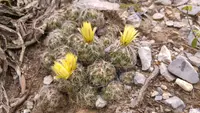
Coryphantha neglecta is a small desert cactus with a rounded, often solitary stem covered in distinct tubercles and dense spines instead of ribs. It stays compact, which makes it suitable for container culture and rock gardens in warm, dry climates.
This species is native to arid regions of North America, where it endures intense sun and poor, stony soils. Its slow growth and drought tolerance mean it generally needs little attention once established, but it is sensitive to excess moisture and poor drainage.
Those factors make care for Coryphantha neglecta straightforward as long as it receives strong light, a very free-draining mineral-rich mix, and careful, infrequent watering.

Care Difficulty
Moderate Care

Light Preference
Full Sun

Water Requirements
Low Water

Temperature Preference
Warm Climate

Hardiness Zone
9–11

Soil Texture
Sandy, Rocky, Loamy

Soil pH
Slightly acidic (6.5–7.0), Neutral (7.0)

Soil Drainage
Well-drained

Fertilization
Minimal (feed rarely)
Scan your plant to receive care tips personalized for your specific plant
Available on iOS and Android
This small desert cactus needs strong, direct light to stay compact and healthy.
This species prefers infrequent, deep watering with fast drying between soakings.
This cactus prefers warm, dry conditions with a marked cool, dry rest in winter.
This cactus prefers dry air and rarely suffers from low household humidity.
Coryphantha neglecta needs a sharply draining, mineral-rich substrate that dries quickly between waterings.
This species is well suited to container cultivation in small, stable pots.
This desert cactus needs only light feeding to stay healthy in cultivation.
This species needs almost no pruning, since old tissues naturally dry and detach over time.
This compact cactus prefers tight pots and infrequent disturbance.
Seed is the most practical method for increasing plants of this species at home.
This cactus prefers a cool, very dry winter rest and is only moderately frost tolerant.

Plant Health Check
Not sure what's wrong with your plant? Check your plant's health inside the app.
This species is native to a restricted area in northeastern Mexico, where it grows on rocky, limestone-rich slopes and grasslands under strong sun exposure.
The stem shows a pronounced spiral arrangement of conical tubercles, each tipped with an areole that produces clusters of stiff spines and the seasonal flowers.
It typically flowers in the warmer months, producing funnel-shaped blooms from the crown, a timing that aligns with peak activity of its local insect pollinators.
Lack of flowers is usually due to insufficient light, cool-rest period, or the plant being too young. Provide strong light, a dry, cooler winter rest, and avoid repotting too often to encourage flowering.
Keep your plants happy and healthy with plant identification, disease detection, and easy care guidance.

Echeveria bicolor
Echeveria bicolor
Triangle cactus
Acanthocereus tetragonus
Spiderweb Haworthia
Haworthia arachnoidea
 POPULAR
Needle Stonecrop
Sedum lineare
brittle pricklypear
Opuntia fragilis
bishop's hat
Astrophytum ornatum
Coryphantha maiz-tablasensis
Coryphantha maiz-tablasensis
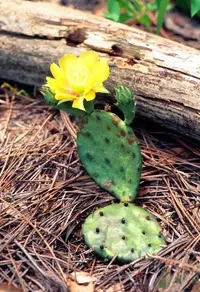
Eastern Prickly Pear
Opuntia humifusa