Stabilize Heavy Stems
As the column thickens and gains height, anchor the pot with a heavy outer cachepot or bricks and, if needed, add 1–2 discreet stakes tied loosely with soft ties to prevent wind or accidental knock-over damage.

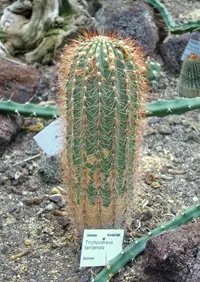
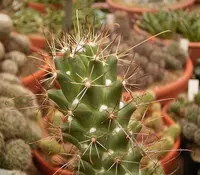
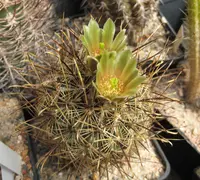
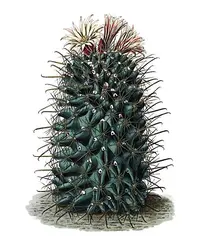
Soehrensia tarijensis is a large, columnar cactus native to high-altitude regions of Bolivia and northern Argentina. It forms tall, ribbed stems covered with strong, often colorful spines. Older plants can branch and produce showy tubular flowers near the stem tips, followed by small fleshy fruits. This species is adapted to intense sun, wide temperature swings, and rocky, fast-draining soils. Its slow growth and drought tolerance make it relatively low-maintenance if overwatering is avoided. For those learning how to care for Soehrensia tarijensis, the key is bright light, very well-drained mineral soil, and infrequent but deep watering during its active season.

Care Difficulty
Moderate Care

Light Preference
Full Sun

Water Requirements
Low Water

Temperature Preference
Warm Climate

Hardiness Zone
9–11

Soil Texture
Sandy, Loamy, Rocky

Soil pH
Slightly acidic (6.5–7.0), Neutral (7.0)

Soil Drainage
Well-drained

Fertilization
Minimal (feed rarely)
Scan your plant to receive care tips personalized for your specific plant
Available on iOS and Android
This high-altitude cactus needs strong sun but benefits from gradual exposure in lowland gardens.
This cactus is highly drought-tolerant and must dry thoroughly between waterings to prevent root rot.
This species is adapted to sunny, arid climates and prefers warm days with cool, dry nights.
This cactus handles typical indoor humidity easily and rarely needs special humidity management.
Soil must be very fast-draining and strongly mineral to keep the root system dry between waterings.
This species is suitable for container growing when the pot is matched to its tall, columnar form.
This high-altitude cactus needs only light feeding to maintain steady growth in cultivation.
This species needs very little pruning, mainly for safety and health rather than shaping.
Container-grown plants and young outdoor specimens benefit from infrequent but careful repotting or transplanting.
This cactus is commonly propagated from seeds or stem cuttings in controlled, warm conditions.
This highland cactus tolerates brief light frost when dry but benefits from managed winter conditions in most gardens.

Plant Health Check
Not sure what's wrong with your plant? Check your plant's health inside the app.
This cactus naturally occurs at very high elevations in the Andes of Bolivia and northern Argentina, often between about 2,500–4,000 m, forming tall, tree-like columns in open puna grasslands.
Its large tubular flowers produce abundant nectar that attracts high-Andean pollinators such as hummingbirds and large bees, making it an important resource in otherwise sparse mountain habitats.
The long, interlocking spines help shade the stem surface and reduce wind exposure, which lowers water loss and protects tissues from intense high-altitude solar radiation and temperature extremes.

Mature plants in ideal wild conditions can reach over 5 m tall with a massive, branched, candelabra-like form, making this one of the most imposing columnar cacti in the high Andes.
Growth is slow to moderate. Young plants add only a few cm per year, but with age can form tall columns and branching clumps exceeding several meters outdoors, staying smaller and slower in pots or cooler climates.
Keep your plants happy and healthy with plant identification, disease detection, and easy care guidance.