


Deep pot choice
Use a clay pot that is slightly deeper than the root system to allow the strong taproot to develop and to keep the plant stable as it enlarges and forms a heavier head.

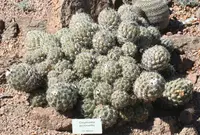
Coryphantha pycnacantha is a small, globular cactus native to arid regions of central Mexico. It forms a single, rounded stem covered with dense, sharp spines and small, patterned tubercles instead of ribs.
In season, it produces showy, funnel-shaped flowers near the top of the plant, often in shades of yellow. Growth is relatively slow, which suits container culture and makes it a good candidate for collectors with limited space.
This species prefers strong light, low to moderate watering, and a very fast-draining, mineral-rich soil mix. Its drought tolerance and compact size mean that, with basic attention to how to care for Cactus, it is manageable for patient beginners and intermediate growers.

Care Difficulty
Moderate Care

Light Preference
Full Sun

Water Requirements
Low Water

Temperature Preference
Tropical / Frost Sensitive

Hardiness Zone
10–11

Soil Texture
Sandy, Rocky, Loamy

Soil pH
Slightly acidic (6.5–7.0), Neutral (7.0)

Soil Drainage
Well-drained

Fertilization
Minimal (feed rarely)
Scan your plant to receive care tips personalized for your specific plant
Available on iOS and Android
Coryphantha pycnacantha thrives in strong light that mimics its native arid habitat.
This species prefers deep, infrequent watering with thorough drying between soakings.
Stable warmth with brief cool periods suits this desert cactus best.
This species prefers dry air and typical indoor humidity of 30–50%.
Use a very fast-draining, mineral-rich mix for Coryphantha pycnacantha.
This species is very suitable for container growing due to its compact, shallow-rooting habit.
This desert cactus needs very light feeding to support slow, compact growth.
Coryphantha pycnacantha needs almost no pruning, but minor cleaning keeps the plant healthy and attractive.
Transplanting is infrequent and should be done carefully to avoid damaging the sensitive root system.
Reproduction of this species is usually done from seed, as it rarely forms offsets.
Cold-season management focuses on keeping the plant dry and above damaging temperatures.

Plant Health Check
Not sure what's wrong with your plant? Check your plant's health inside the app.
This species is native to central Mexico and is often found on rocky volcanic slopes and lava fields, where its deep taproot anchors it in coarse, fast-draining substrates.
The stem forms a compact, rounded body that is densely covered with stout, closely packed spines, which help shade the surface and reduce water loss in intense sun.
Mature plants produce relatively large, bright yellow funnel-shaped flowers near the stem apex, which contrast strongly with the dark spines and attract diurnal pollinators on hot, dry days.
Lack of flowers usually comes from insufficient maturity, weak light, or no cool, dry rest in winter. This species often needs several years to bloom well and benefits from strict Coryphantha pycnacantha care during its dormant season.
Keep your plants happy and healthy with plant identification, disease detection, and easy care guidance.

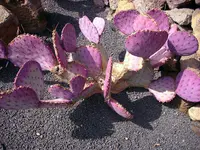
purple pricklypear
Opuntia macrocentra
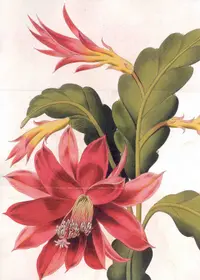
Disocactus ackermannii
Disocactus ackermannii
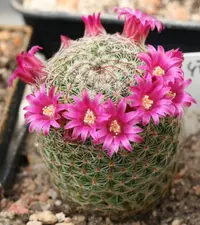
Thumb Cactus
Mammillaria matudae
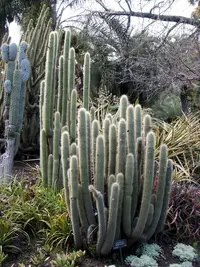
Borzicactus sepium
Borzicactus sepium
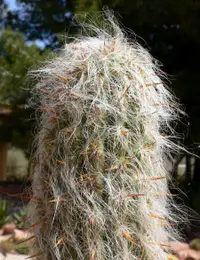
Old Man of the Andes
Oreocereus celsianus
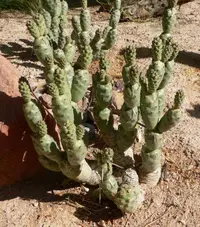
Pine Cone Cactus
Tephrocactus articulatus
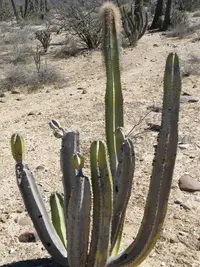
senita cactus
Lophocereus schottii
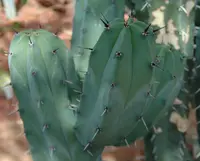
Bilberry Cactus
Myrtillocactus geometrizans