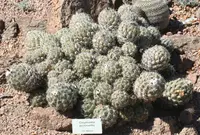


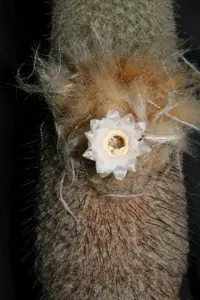
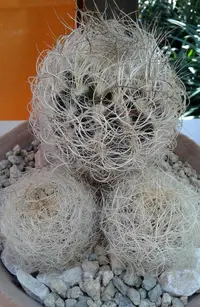
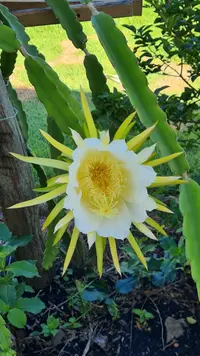
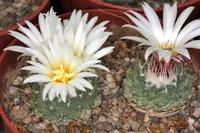

Cactus (Coryphantha pycnacantha) Light Needs

Cactus grows best in full sun, with bright exposure and several hours of direct light each day.

Light Preference

Full Sun

Coryphantha pycnacantha Light Requirements

In habitat, Coryphantha pycnacantha grows in open, dry, rocky places where shade is limited and sunlight is strong for much of the day. Its compact body and spines are adapted to intense exposure rather than dim understory conditions.

In cultivation, this means light should be closer to an open outdoor setting than a shaded corner. Preferred light is full sun.

  • Ideal exposure:

    Cactus needs about 6–8 hours of full sun daily, including at least 4–6 hours of direct sunlight.

  • Direct sun:

    Established plants tolerate strong direct sun, especially when exposure increases gradually after indoor or shaded conditions.

  • Low light:

    Dim rooms and shaded sites are unsuitable because growth can stretch and flowering may be reduced.

  • Afternoon heat:

    Hot afternoon sun is usually tolerated outdoors, but sudden exposure through glass can cause sunburn.

Indoors, place this cactus where it receives the strongest direct light available.

NPoor
North-facing window:

A north window is usually too dim for healthy growth and is not a good long-term placement.

ESuitable
East-facing window:

An unobstructed east window is suitable if it provides direct morning sun, but it may not be strong enough during short winter days.

SBest
South-facing window:

A south-facing window is usually best because it gives the longest and brightest sun exposure indoors.

WSuitable
West-facing window:

A west-facing window is suitable if the plant is acclimated to strong afternoon sun and the glass is not heavily shaded.

If growth begins to lean or stretch, move the plant closer to the strongest available light source gradually.

Excess light usually appears after a sudden move into stronger sun.

Pale patches:

Sudden intense sun can leave whitish or tan areas on the most exposed side.

Sunken scars:

Damaged tissue may dry into shallow, corky marks that do not green up again.

Stress coloring:

Coryphantha pycnacantha may show reddish or dull bronze tones when exposure increases too quickly.

One-sided damage:

Marks limited to the side facing hot glass or afternoon sun suggest light stress rather than general decline.

Shift the plant slightly back from harsh glass or add light filtering during the hottest part of the day. Keep it bright, but increase direct sun more gradually.

Low light affects shape before it causes obvious decline.

  • Stretched crown:

    New growth may become taller, narrower, or less compact than the older body.

  • Leaning body:

    The plant may tilt toward the strongest light source instead of staying evenly upright.

  • Fewer flowers:

    Flowering may be reduced when active-season light is too weak.

  • Soft-looking growth:

    New tissue may look less firm and less densely spined than growth formed in stronger sun.

Move it gradually into brighter sun rather than making a sudden change. Stronger light should improve future growth, but stretched sections usually do not return to their original shape.

Choose the brightest available spot and prioritize 4–6 hours of direct sun if full-day exposure is not possible.

Rotate the pot every few weeks to keep growth even and reduce leaning toward one side.

A shaded shelf is unsuitable because it cannot meet Coryphantha pycnacantha light needs.

Get Personalized Care Plan

Scan your plant to receive care tips personalized for your specific plant

FAQ

The best light is full sun. For Cactus light requirements, aim for about 6–8 hours of strong light daily, with 4–6 hours of direct sun when possible.

Everything About Cactus

More Plant Light Guides

Get the Botan App

Discover how to care for your plants with Botan.

Botan app identifying a plant with a phone camera
How to Group Plants in Landscaping: A Practical Layout Guide

8 min read · 31 Aug 2026

How to Group Plants in Landscaping: A Practical Layout Guide

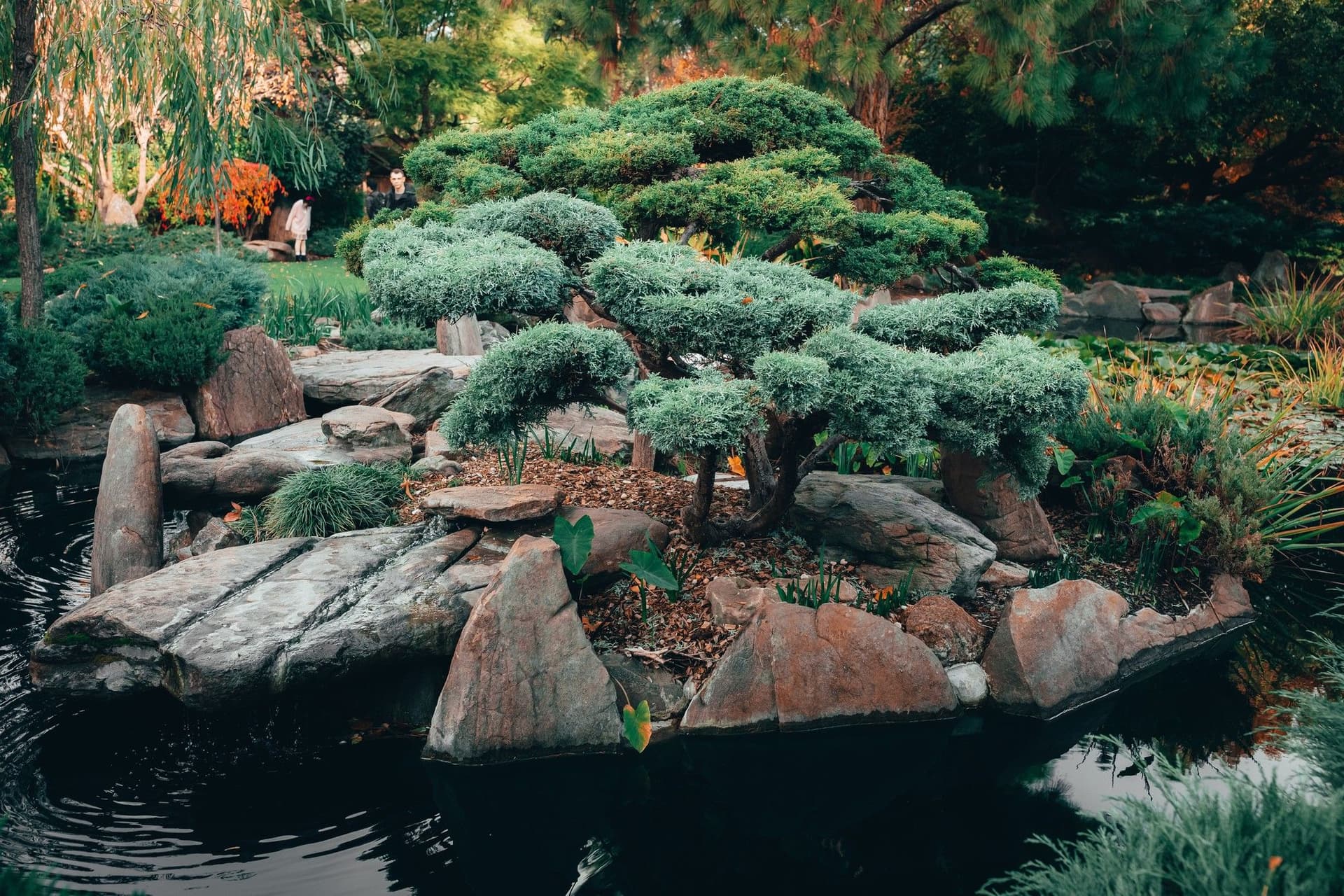
Good plant grouping can mean the difference between a well-planned garden and one that looks sloppy. This guide explores layers, spacing, cluster shapes, and the plants that thrive when you group them.

Plant Care
How to Group Plants in Landscaping: A Practical Layout Guide
How to Plant Pumpkin Seeds for a Fall Harvest and Grow Your Own Patch

7 min read · 4 Nov 2026

How to Plant Pumpkin Seeds for a Fall Harvest and Grow Your Own Patch

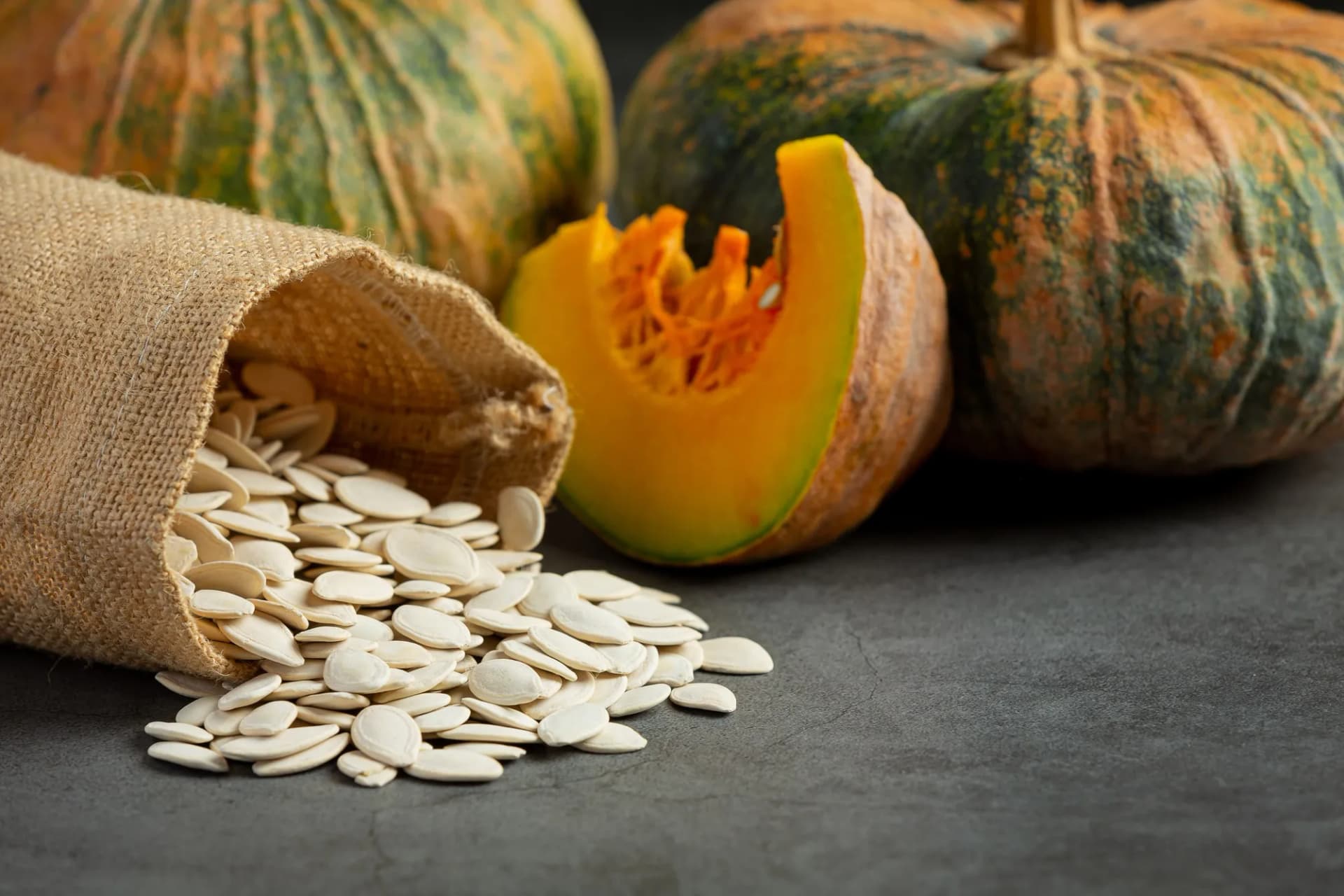
A backyard pumpkin patch starts months before the first leaves turn: the harvest that ends up on the porch in October is decided by what a gardener does in late spring.

Beginner Guides
How to Plant Pumpkin Seeds for a Fall Harvest and Grow Your Own Patch
12 Best Cold-Hardy Vegetables for Cold Weather

7 min read · 13 Oct 2026

12 Best Cold-Hardy Vegetables for Cold Weather

Cold-hardy vegetables can keep a garden productive through chilly fall, winter, and early spring weather. This guide covers 12 reliable crops, their frost tolerance, and practical growing tips for better cold-season harvests.

Plant Recommendations
12 Best Cold-Hardy Vegetables for Cold Weather