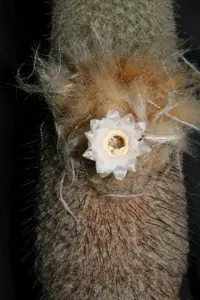


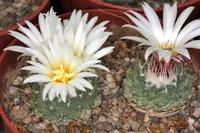

Cactus (Espostoopsis dybowskii) Light Needs

Cactus grows best in full sun, with several hours of direct light and very bright exposure overall.

Light Preference

Full Sun

Espostoopsis dybowskii Light Requirements

Espostoopsis dybowskii is a dry-climate cactus adapted to open, exposed places where shade is limited and sunlight is strong for much of the day. In cultivation, this means growth is firmest and most compact when light is intense rather than filtered through a dim room. Plants should be introduced gradually after indoor or shaded conditions. Preferred light is full sun.

  • Ideal exposure:

    Cactus needs about 6–8 hours of full sun or very bright light daily, including about 4–6 hours of direct sun.

  • Direct sun tolerance:

    Mature, acclimated plants can handle strong sun, but sudden all-day exposure can scorch the outer skin.

  • Low light limit:

    Dim rooms lead to weak, stretched growth and should not be treated as suitable long-term placement.

  • Sun timing:

    Morning and midday sun are usually easier indoors; hot afternoon sun may need gradual acclimation behind glass.

Indoors, place it in the sunniest window available rather than several feet back in the room.

NPoor
North-facing window:

A north-facing window is usually too weak because it provides little or no direct sun.

EConditional
East-facing window:

An east-facing window can work only if it is very bright and gives several hours of direct morning sun.

SBest
South-facing window:

A south-facing window is the best indoor option, especially within 1–2 ft of clear glass.

WSuitable
West-facing window:

A west-facing window is suitable when the plant is acclimated, but monitor for hot glass and sun-facing scorch.

If growth starts leaning, move it closer to the light and rotate the pot regularly.

Excess light usually shows after a sudden move into stronger sun.

Bleached patches:

Pale cream or white areas on the sun-facing side may be fresh sunburn, especially after moving Espostoopsis dybowskii outdoors or closer to glass.

Tan scarring:

Burned areas can dry into corky tan scars that stay visible even after the light is corrected.

Bronze tint:

A reddish or bronze cast can signal light stress when it appears quickly on the most exposed side.

Surface shriveling:

Strong heat with harsh sun can make exposed tissue look slightly sunken before permanent scarring develops.

Move the plant out of harsh afternoon rays right away. Reintroduce stronger sun over 1–2 weeks so new exposure increases gradually.

Low light affects the shape of new growth before older tissue changes.

  • Stretched tip:

    New growth may become narrower, taller, or less sturdy as the plant reaches for stronger light.

  • Leaning growth:

    The stem may angle toward the brightest side when light comes from only one direction.

  • Wider spacing:

    Areoles, the small points where spines and wool form, may appear farther apart on new growth.

  • Weaker spine growth:

    New spines or woolly growth may look sparse compared with growth made in brighter conditions.

  • Limited flowering:

    Mature Espostoopsis dybowskii may flower poorly indoors if it does not receive enough direct sun.

Move it gradually to a brighter position with direct sun. Rotate the pot so the stem receives more even exposure.

If full sun is limited, choose the brightest unobstructed spot available and keep the pot close to the glass without touching hot surfaces.

Rotate the pot a quarter turn every 1–2 weeks so new growth stays straighter.

Avoid placing it in the middle of a room, because that setup is too weak for compact cactus growth.

Get Personalized Care Plan

Scan your plant to receive care tips personalized for your specific plant

FAQ

For Cactus light requirements, provide full sun or the brightest available exposure. It grows best with several hours of direct sun and does not perform well in shade.

More Plant Light Guides

Get the Botan App

Discover how to care for your plants with Botan.

Botan app identifying a plant with a phone camera
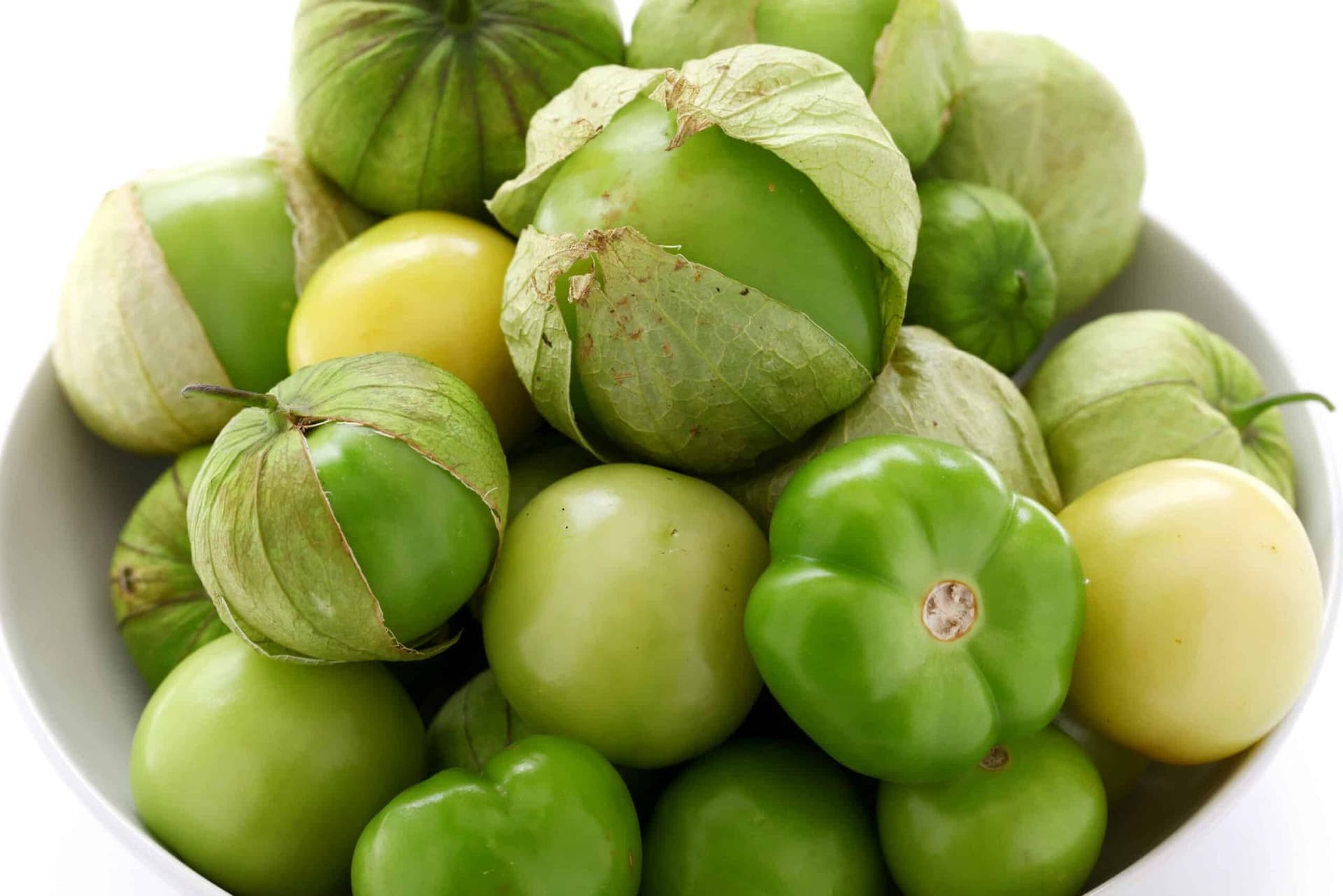
When to Harvest Tomatillos: How to Tell When They're Ripe

4 min read · 20 Oct 2026

When to Harvest Tomatillos: How to Tell When They're Ripe

Tomatillos grow inside papery husks, making it hard to judge ripeness at a glance. This guide explains how to know when tomatillos are ripe and offers practical advice on harvesting and storage.

Plant Recommendations
When to Harvest Tomatillos: How to Tell When They're Ripe
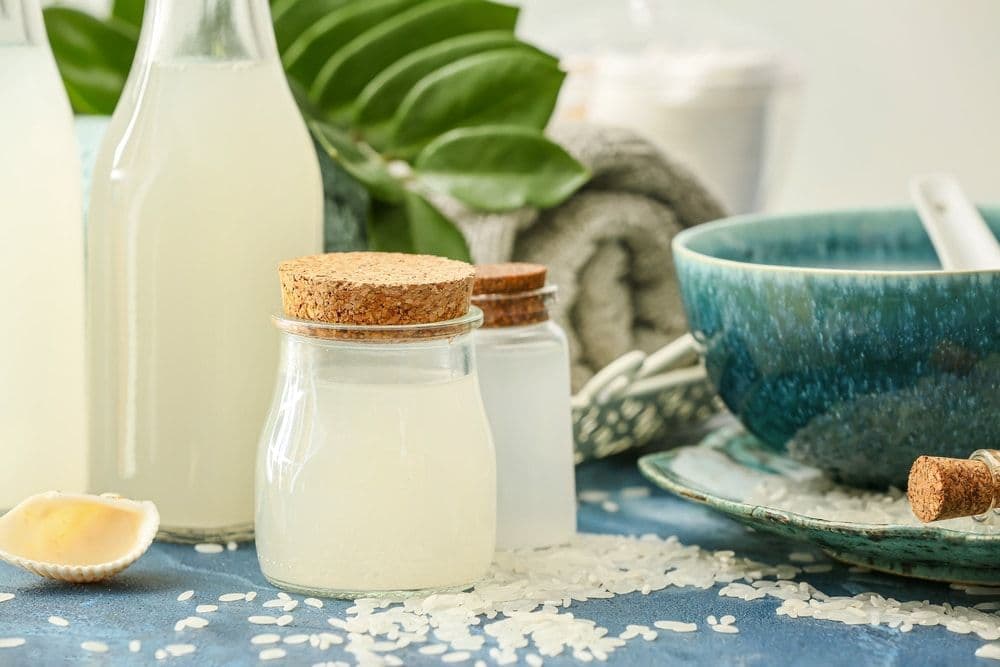
Rice Water for Plants – Which Plants Love It and How to Make It

8 min read · 14 Jul 2026

Rice Water for Plants – Which Plants Love It and How to Make It

Rice water can be an ideal DIY solution for orchids, roses, or fruiting plants. It supports growth, leaf count, and height. We’ll share how to make and apply it correctly for your plant.

Plant Care
Rice Water for Plants – Which Plants Love It and How to Make It
How to Plant Pumpkin Seeds for a Fall Harvest and Grow Your Own Patch

7 min read · 4 Nov 2026

How to Plant Pumpkin Seeds for a Fall Harvest and Grow Your Own Patch

A backyard pumpkin patch starts months before the first leaves turn: the harvest that ends up on the porch in October is decided by what a gardener does in late spring.

Beginner Guides
How to Plant Pumpkin Seeds for a Fall Harvest and Grow Your Own Patch