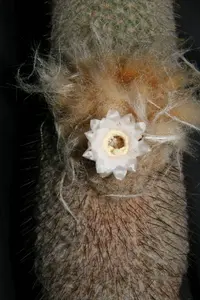



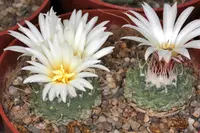
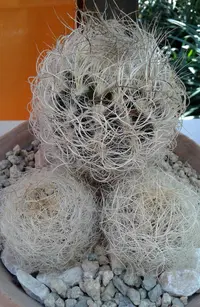
Best Soil for Cactus (Espostoopsis dybowskii)

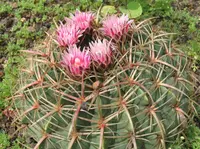
Espostoopsis dybowskii grows best in a gritty, fast-draining mix that supports root health and prevents excess moisture around the roots.

Soil Texture

Sandy, Loamy, Rocky

Soil pH

Slightly acidic (6.5–7.0), Neutral (7.0)

Soil Drainage

Well-drained

Espostoopsis dybowskii Soil Guide

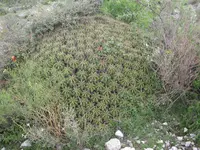
Native to Brazil, Espostoopsis dybowskii comes from dry, open conditions where water moves through the ground quickly. That background explains why the best soil for Cactus is loose, airy, and strongly drained rather than rich or moisture-holding.

Its roots are adapted to take up brief moisture, then dry out with good airflow around them. A sandy, loamy, rocky substrate suits this pattern because it provides mineral structure, moderate support, and only light moisture retention. Slightly acidic to neutral soil also fits its natural preferences.

A simple homemade mix gives Espostoopsis dybowskii the fast drainage and structure this species needs in a container.

100% total mix = 20 scoops
10%
small gravel2 scoops
20%
cactus potting soil4 scoops
30%
pumice or perlite6 scoops
40%
coarse sand8 scoops

The finished blend should feel gritty, loose, and quick to drain, with only light moisture retention between particles.

A slightly acidic to neutral range of about 6.5–7.0 suits Cactus well. Within that range, key nutrients stay more available to the roots without pushing the mix too far toward acidity or alkalinity.

Espostoopsis dybowskii is not known for needing an unusually narrow pH target, but staying close to neutral helps maintain balanced nutrient uptake over time.

This species is more vulnerable to prolonged root-zone moisture than to brief dryness. Soil can be one possible factor when growth or appearance starts to change.

Compacted mix:

Compacted mix: if the surface hardens and water stops moving through evenly, gently loosen only the top layer and review whether the medium has become too dense.

Staying wet too long:

Staying wet too long: if the root area remains damp for many days, increase airflow around the container and check whether the pot is releasing water freely.

Salt buildup:

Salt buildup: a pale crust on the surface can point to mineral residue, so scrape off the top layer and replace it with clean fresh mix.

Organic matter breakdown:

Organic matter breakdown: when the medium starts shrinking or turning fine and dusty, Cactus may benefit from replacing worn soil that no longer keeps its structure.

Find the Right Soil

Botan helps match this plant to a more suitable soil setup based on its growth habit and container conditions.

FAQ

Yes. Drainage holes let excess water leave the container and help air return to the root zone. Without that outlet, even a gritty mix can stay wet longer than this species prefers.

More Plant Soil Guides

Soil Problem? Scan It.

Use Botan’s photo-based assessment to check whether a visible issue may be linked to soil conditions and decide what to review next.

Botan app helping with soil and plant care
Plants That Repel Mosquitoes – 10 Effective Choices

8 min read · 6 Jul 2026

Plants That Repel Mosquitoes – 10 Effective Choices

Plants that repel mosquitoes can help mask human scent naturally and make outdoor spaces more comfortable. Explore the most effective options, their benefits and drawbacks, and choose the right plant for your space.

Plant Recommendations
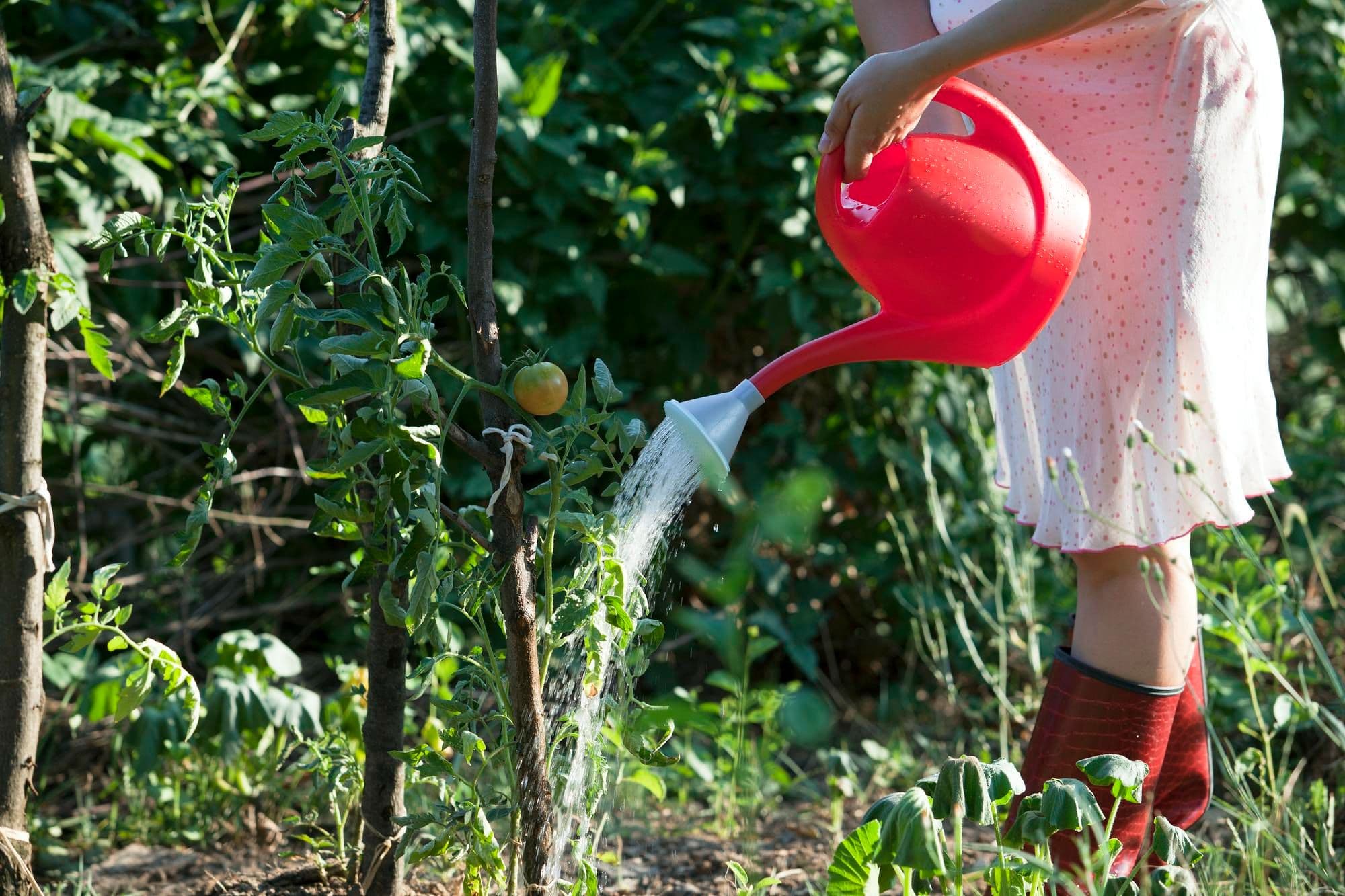
Plants That Repel Mosquitoes – 10 Effective Choices
How Often to Water Fruit Trees

7 min read · 11 Aug 2026

How Often to Water Fruit Trees

Irrigation needs change as roots establish and weather shifts. This guide gives practical starting intervals, explains how soil and tree type change them, and shows how to recognize both excess moisture and drought stress.

Plant Care
How Often to Water Fruit Trees
Is Sugar Water Good for Plants?

4 min read · 14 Sept 2026

Is Sugar Water Good for Plants?

Sugar water may sound like an easy boost, but most rooted plants do not need extra sucrose. This guide explains how green tissues produce carbohydrates, when a sweetened solution can be useful, and why too much can cause problems.

Plant Care
Is Sugar Water Good for Plants?