



Best Soil for Peyote (Lophophora williamsii)

For Lophophora williamsii, a fast-draining, airy mineral-rich mix supports healthy roots and helps prevent prolonged moisture around the base.

Soil Texture

Sandy, Rocky, Loamy

Soil pH

Slightly acidic (6.5–7.0), Neutral (7.0)

Soil Drainage

Well-drained

Lophophora williamsii Soil Guide

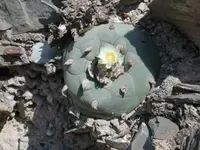
Native to northern and central Mexico and parts of southern Texas, Lophophora williamsii grows in dry, open habitats with sandy, rocky, loamy ground that sheds water quickly. Those conditions shape the best soil for Peyote: mineral-rich, airy, and fast-draining rather than dense or moisture-retentive.

Its thick taproot stores water, so the root zone should dry steadily and still hold enough structure around the root. A loose substrate with good aeration supports healthy root function and reduces prolonged dampness, which this cactus is not adapted to in cultivation.

A simple homemade blend gives Lophophora williamsii the structure its roots need without staying damp too long.

100% total mix = 20 scoops
10%
small gravel or chicken grit2 scoops
20%
cactus potting soil4 scoops
30%
pumice or perlite6 scoops
40%
coarse sand8 scoops

The finished mix should feel gritty, loose, and quick to empty excess moisture instead of clumping into a dense mass.

A slightly acidic to neutral range of about 6.5–7.0 suits Peyote well. In that window, key nutrients stay available without pushing the root zone too far toward acidity or alkalinity.

This species is not known for needing a sharply specialized pH, but staying close to neutral helps maintain balanced nutrient uptake over time. If the mix drifts too far from that range, some nutrients can become harder for roots to absorb.

This species is especially sensitive to long periods of stale moisture around its roots. Soil may be part of the issue when growth slows or the base stops feeling firm.

Compacted mix:

Compacted mix: if the surface hardens and water stops moving through evenly, gently replace the substrate with a looser medium that keeps air spaces open.

Persistent dampness:

Persistent dampness: if the pot stays heavy for too long, check drainage and move the plant into a faster-drying setup.

Mineral crust:

Mineral crust: white buildup on the soil surface can point to salt accumulation, so remove the top layer and refresh with clean mix.

Dense nursery plug:

Dense nursery plug: peat-heavy plugs can trap moisture near the taproot, so carefully ease away the tight core during the next soil change.

Scan for Soil Tips

Botan can help identify the plant and guide a more suitable soil setup based on how this species grows and stores moisture.

FAQ

Yes. This species develops a substantial taproot, so a deeper pot usually works better than a shallow one. Extra depth helps the root sit naturally and keeps the lower mix from becoming tightly compressed.

Everything About Peyote

More Plant Soil Guides

Is Your Soil the Problem?

Soil could be one factor behind visible decline. Botan’s photo-based assessment can help you check whether the growing medium may be contributing.

Botan app helping with soil and plant care
12 Best Landscaping Trees for Your Garden

8 min read · 6 Oct 2026

12 Best Landscaping Trees for Your Garden

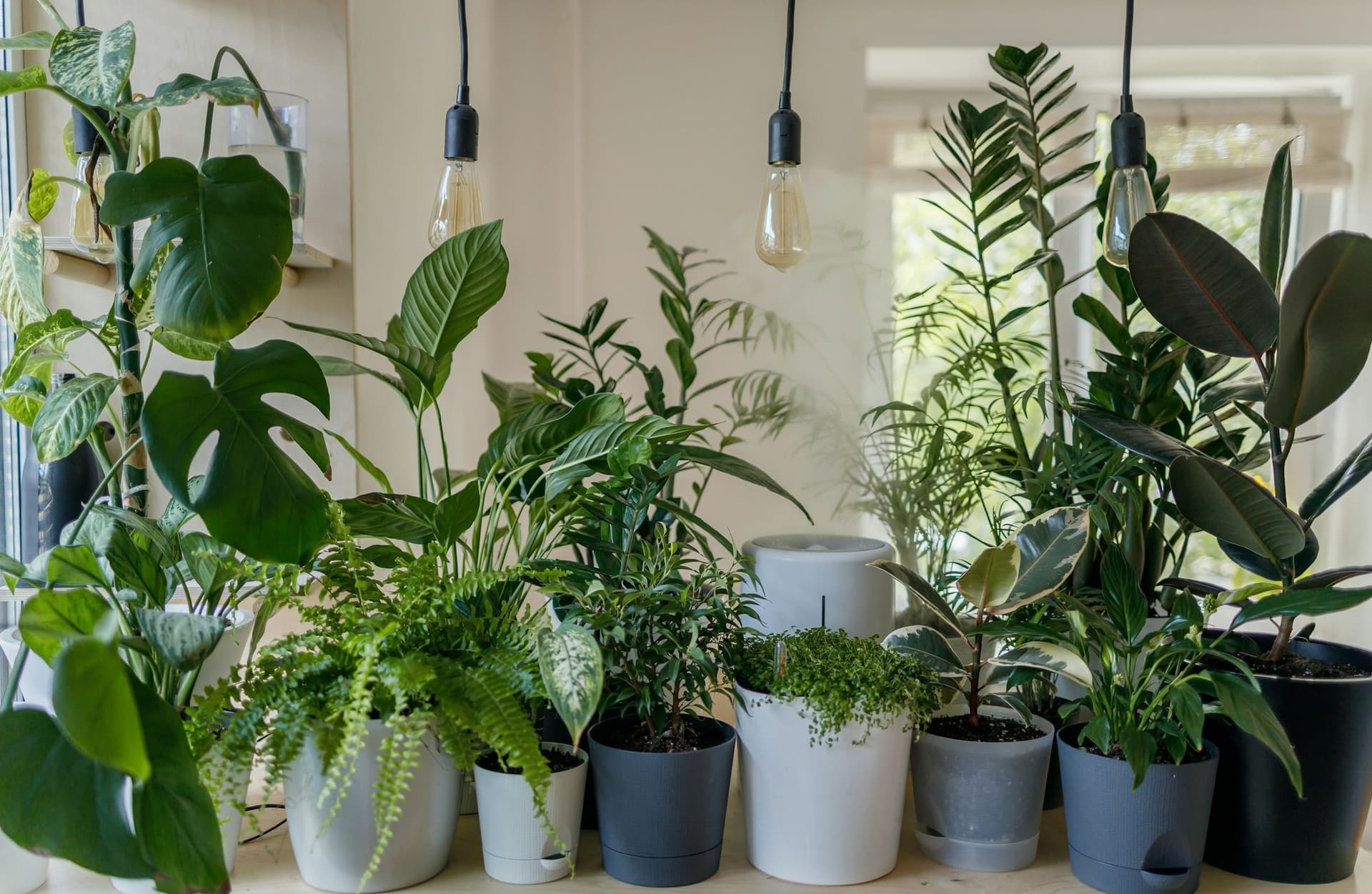
Choosing the landscape tree depends on what your garden needs most. These 12 options include compact flowering specimens, colorful deciduous trees, shade varieties, and evergreens suitable for screening and year-round structure.

Plant Recommendations
12 Best Landscaping Trees for Your Garden
Top 15 Plants That Don’t Need Sunlight

8 min read · 17 Sept 2026

Top 15 Plants That Don’t Need Sunlight

Some plants thrive in dim rooms, shaded corners, and places with indirect light. In this guide, you’ll explore the top 15 species best suited to low-light conditions and how to care for them.

Plant Recommendations
Top 15 Plants That Don’t Need Sunlight
Thorny Plants: A Comprehensive Guide

10 min read · 25 Aug 2026

Thorny Plants: A Comprehensive Guide

Many plants defend themselves with sharp thorns. This guide explores over 20 examples among flowers, shrubs, trees, and vines. You'll learn what each plant looks like, why it grows thorns, and how to quickly identify them.

Plant Recommendations
Thorny Plants: A Comprehensive Guide