


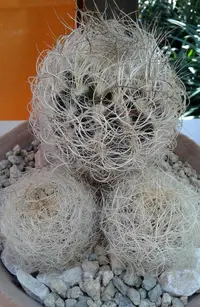

Best Soil for Peyote (Lophophora diffusa)

Lophophora diffusa grows best in a loose, mineral-rich mix with fast drainage, which supports healthy roots and reduces prolonged moisture around them.

Soil Texture

Sandy, Rocky, Loamy

Soil pH

Slightly acidic (6.5–7.0), Neutral (7.0)

Soil Drainage

Well-drained

Lophophora diffusa Soil Guide

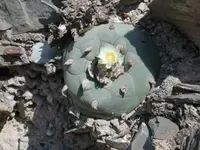
Native to central Mexico, Lophophora diffusa grows in dry, open ground with sandy, rocky, and loamy mineral soils that shed water quickly. That habitat explains why the best soil for Peyote needs strong drainage and plenty of air around the roots rather than rich, moisture-holding material.

Its thick, water-storing root system is adapted to brief moisture followed by drying soil. A loose, gritty substrate supports that pattern by preventing prolonged dampness while still holding a small amount of moisture between waterings. Neutral to slightly acidic soil suits its natural preferences.

A simple homemade mix gives more control over texture and drainage than many standard bagged blends. For Lophophora diffusa, keep the formula mineral-heavy and open.

100% total mix = 20 scoops
15%
small gravel or crushed granite3 scoops
20%
cactus potting soil4 scoops
30%
pumice or perlite6 scoops
35%
coarse sand7 scoops

The finished mix should feel loose, gritty, and lean, with water moving through quickly instead of lingering around the root zone.

A good target for Peyote is about 6.5–7.0 pH, which places it in slightly acidic to neutral soil. In that range, key nutrients stay more available without pushing the mix too far in either direction.

Lophophora diffusa can handle a fairly narrow shift around neutral, but strongly acidic or alkaline soil may limit nutrient uptake over time. A simple pH test is useful if growth seems stalled despite otherwise suitable care.

This species is especially sensitive to stagnant conditions around the roots. When soil issues develop, early changes to the mix often matter more than quick fixes.

Compacted mix:

Dense soil that stays tight after watering can limit airflow, so loosen the root zone at the next potting change and switch to a more open substrate.

Persistent dampness:

If the mix remains wet for too long, root stress becomes more likely; first, check drainage and confirm the container is not trapping excess moisture.

Crusted surface:

A hard top layer can slow air exchange and water penetration, so gently break the crust and review whether the mix contains too much fine material.

Spent old soil:

When the mix has broken down into smaller particles, it can hold moisture longer than intended; the first step is replacing it with a fresher, coarser blend.

Better Soil Starts Here

Botan helps match this plant to a more suitable soil setup, so texture and drainage are easier to judge before problems build up.

FAQ

Yes. Drainage holes let excess water leave the container instead of collecting at the base, which helps the mix dry more evenly and lowers the risk of root stress in Peyote soil.

More Plant Soil Guides

See If Soil Is the Issue

Soil may be one factor behind visible decline. A photo-based check in Botan can help narrow down whether the growing mix is worth reviewing.

Botan app helping with soil and plant care
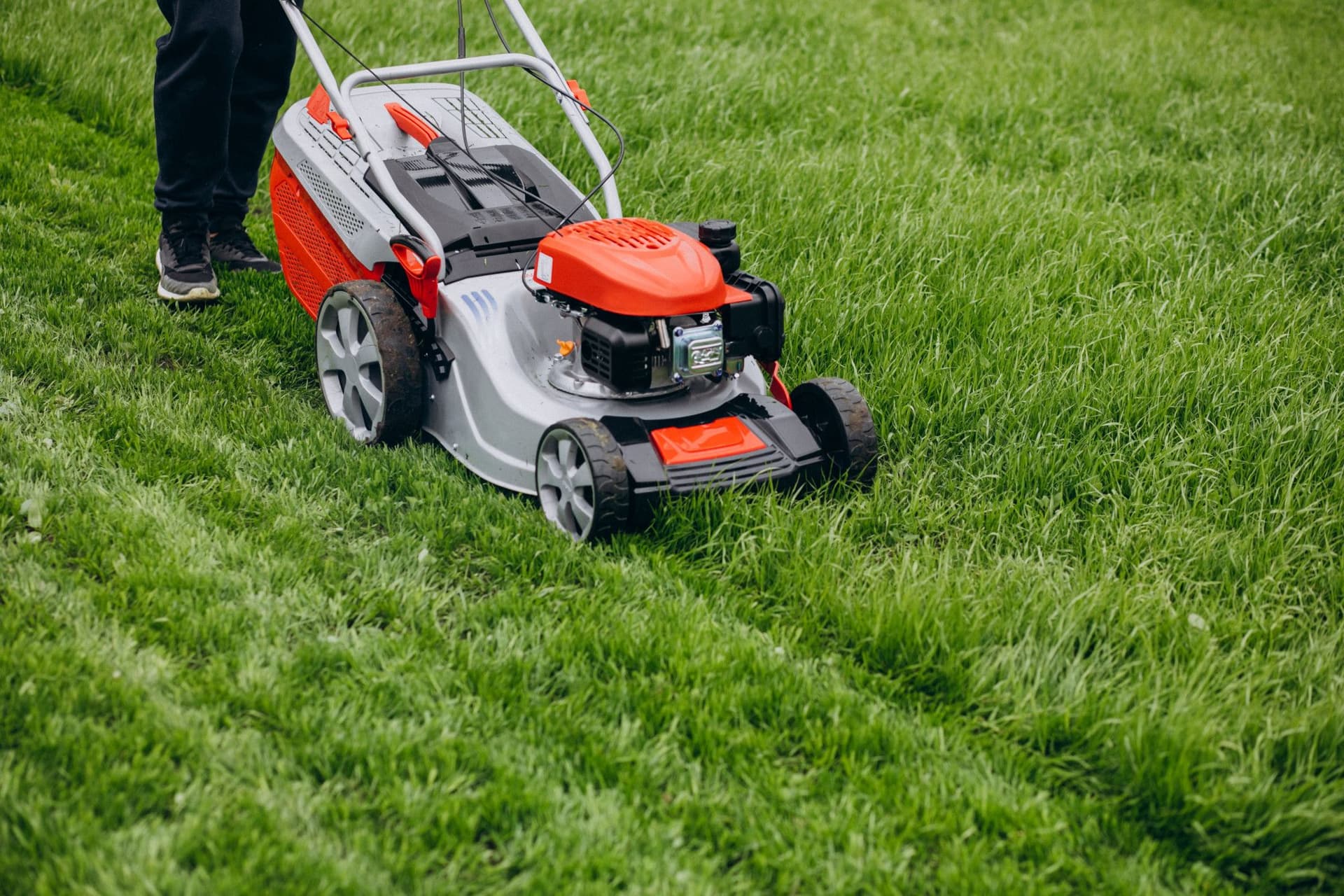
Best Time to Mow Lawn – A Complete Guide

5 min read · 10 Aug 2026

Best Time to Mow Lawn – A Complete Guide

Explore when to mow your lawn for its health and a pleasant green color. Find out the best time for this task during the summer heat, and follow practical tips for correctly cutting the grass, and learn common mistakes to avoid.

Plant Care
Best Time to Mow Lawn – A Complete Guide
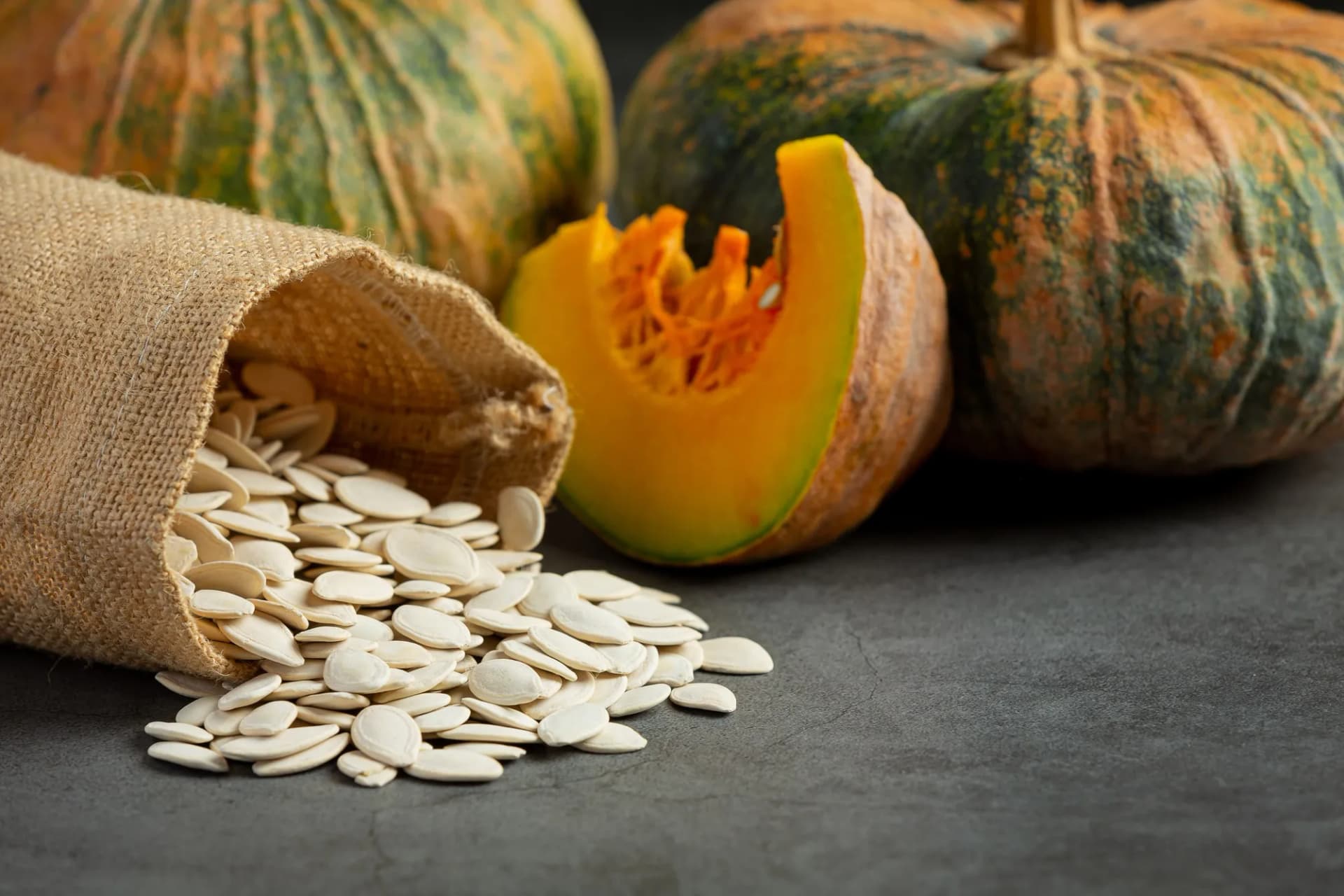
How to Plant Pumpkin Seeds for a Fall Harvest and Grow Your Own Patch

7 min read · 4 Nov 2026

How to Plant Pumpkin Seeds for a Fall Harvest and Grow Your Own Patch

A backyard pumpkin patch starts months before the first leaves turn: the harvest that ends up on the porch in October is decided by what a gardener does in late spring.

Beginner Guides
How to Plant Pumpkin Seeds for a Fall Harvest and Grow Your Own Patch
12 Best Plants That Repel Spiders For Your Home and Garden

8 min read · 24 Jul 2026

12 Best Plants That Repel Spiders For Your Home and Garden

Spiders constantly appear in places you don't want them. A few common plants can help repel them using scent alone. Here are 12 options suitable for both indoors and outdoors, plus care tips for each.

Plant Recommendations
12 Best Plants That Repel Spiders For Your Home and Garden