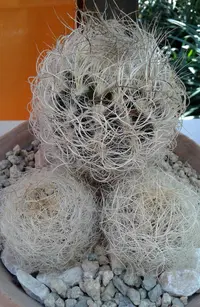






Best Soil for Cactus (Eriosyce senilis)

Eriosyce senilis grows best in gritty, fast-draining soil that supports air around the roots and helps maintain stable root health.

Soil Texture

Sandy, Loamy, Rocky

Soil pH

Slightly acidic (6.5–7.0), Neutral (7.0)

Soil Drainage

Well-drained

Eriosyce senilis Soil Guide

Native to Chile, Eriosyce senilis grows in dry, exposed ground where moisture moves through quickly and roots get plenty of air. That background explains why the best soil for Cactus is lean, mineral-heavy, and fast draining rather than rich and water-retentive.

A sandy, loamy, or rocky substrate suits its fine roots because it dries steadily and limits prolonged dampness around the root zone. Slightly acidic to neutral soil is a good fit, but texture and drainage matter more than richness.

A simple homemade mix can give Eriosyce senilis the sharp drainage and root aeration it needs in a container.

100% total mix = 20 scoops
15%
small gravel or grit3 scoops
20%
cactus potting soil4 scoops
30%
pumice or perlite6 scoops
35%
coarse sand7 scoops

The finished blend should feel coarse and open, with little clumping, and water should pass through it quickly without leaving it soggy.

A suitable pH range is about 6.5–7.0. This places the soil in slightly acidic to neutral territory, where key nutrients stay available without pushing the mix too far in either direction.

For Cactus, staying near neutral helps roots take up minerals steadily over time. Small variation is usually tolerated, but strongly acidic or alkaline conditions can gradually reduce nutrient availability.

Most soil-related trouble starts below the surface, where roots respond slowly to poor conditions. Cactus is especially sensitive to stale, compacted media that stay damp too long.

Compacted mix:

Compacted mix: if the surface hardens and water stops moving through evenly, gently loosen only the top layer and review whether the substrate has broken down too far.

Persistent dampness:

Persistent dampness: soil that remains wet for long periods can limit oxygen at the roots, so the first step is checking drainage and airflow around the root zone.

Crusted surface:

Crusted surface: a hard mineral crust can slow water entry and signal buildup in the mix, so scrape off the top bit and replace it with fresh material.

Shifting or unstable plant:

Shifting or unstable plant: a very loose or shallow fill can leave roots poorly anchored, so settle the mix lightly around the base without pressing it tight.

Get the Soil Right

Botan helps match this plant to a more suitable substrate by combining plant ID with clear soil guidance for container growing.

FAQ

Yes. Drainage holes let excess water leave the container and reduce the risk of stagnant, airless conditions around the roots. They are especially important when using a fast-draining Cactus soil mix.

More Plant Soil Guides

Check What the Soil Is Doing

If growth or appearance seems off, Botan’s photo-based assessment can help you check whether soil conditions may be part of the problem.

Botan app helping with soil and plant care
How to Mist Plants – Proper Technique and Common Mistakes

7 min read · 30 Jul 2026

How to Mist Plants – Proper Technique and Common Mistakes

Find out when misting works well and when to avoid it. Here, you’ll find detailed information about compatible and incompatible species, tips on how often to mist plants and do it correctly, and some great alternatives for raising humidity.

Beginner Guides

How to Mist Plants – Proper Technique and Common Mistakes
20 Most Popular Fruits Around the World

7 min read · 22 Jul 2026

20 Most Popular Fruits Around the World

Curious which fruits the world actually eats the most? Here's the top-20 by production volume, an overview of what people choose in each region, and a few figures that defy common assumptions.

Plant Recommendations
20 Most Popular Fruits Around the World
How Often to Water Fruit Trees

7 min read · 11 Aug 2026

How Often to Water Fruit Trees

Irrigation needs change as roots establish and weather shifts. This guide gives practical starting intervals, explains how soil and tree type change them, and shows how to recognize both excess moisture and drought stress.

Plant Care
How Often to Water Fruit Trees