
Cactus Identification (Eriosyce senilis)

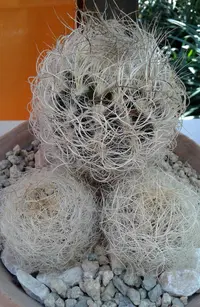
Recognize Eriosyce senilis by its small, spherical to short-cylindrical stem, usually under 6 inches (15 cm) wide, densely covered in long, white, hairlike spines that often hide the ribs.

Look for a solitary or slowly clustering cactus with a woolly crown and funnel-shaped flowers emerging from the top.

Eriosyce senilis Identification

Identify a Plant by Photo

Check your plant ID by uploading a clear photo to Botan.

Clear images work best. Avoid photos taken too close or too far away

Check Eriosyce senilis for its dense white spines and rounded body.

  • Usually solitary, forming a spherical to short cylindrical stem about 4-6 inches (10-15 cm) wide.
  • The stem is divided into clear ribs with spaced areoles, each packed with many fine, hairlike white spines that often hide the surface.
  • Older plants may show a slightly elongated top, but no leafy growth or jointed segments are present.
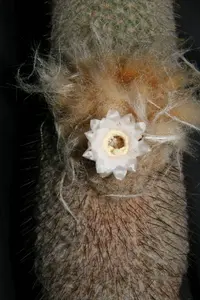
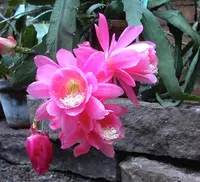
  • Flowers, when open, are funnel-shaped and relatively large for the plant, often pink to magenta with a paler center.

The heavy white spination is often the fastest visual clue.

Eriosyce senilis shows useful visual shifts from early growth to flowering maturity.

  • Seedling: Seedlings are small and globose, with few ribs visible and sparse, short spines rather than the dense, hairlike covering seen later.
  • Young plant: The body stays rounded but ribs become clearer, and longer white spines spread outward, starting to obscure the green stem surface.
  • Mature plant: Mature plants are solitary, depressed-globose to short cylindrical, often about 4-6 inches (10-15 cm) across, with dense silvery spines masking the ribs.
  • Flowering stage: At flowering, funnel-shaped pink to magenta blooms emerge from the crown, contrasting with the woolly, spine-covered body and confirming an adult plant.

The most useful seasonal clue is flowering. Eriosyce senilis usually shows its blooms in spring to early summer, when the crown produces relatively large, funnel-shaped flowers that stand out clearly above the dense white spines. After flowering, small dry fruits may become visible near the crown. Outside the bloom period, the plant keeps much the same look year-round, so flowers and fresh fruit are the main seasonal identification features.

A few shaggy-spined Chilean cacti are regularly mistaken for Eriosyce senilis.

Old man cactus(Cephalocereus senilis)

Both have dense white hair-like spines. Cephalocereus senilis becomes a tall column, often several feet high, while this plant stays solitary and globose to short-cylindrical. Its ribs are also straighter and more clearly columnar with age.

Frayle's pincushion cactus(Mammillaria hahniana)

This species also shows a white, woolly coating that can hide the stem. Mammillaria hahniana has distinct nipple-like tubercles instead of continuous ribs, and it usually forms clumps rather than remaining a single stem.

Eriosyce senilis is native to coastal north-central Chile, especially around the Coquimbo Region. It occurs on dry, rocky slopes and coastal hills in arid scrub, often in exposed sites influenced by ocean fog. This range helps narrow identification because several similar cacti come from inland Chile or different desert zones. A plant documented from Chile’s fog-influenced coastal habitats is more consistent with Eriosyce senilis than with many look-alikes from other South American regions.

  • Sharp spines: The main concern is physical injury. Eriosyce senilis has dense, sharp spines on the stem that can puncture skin on contact in humans and pets. Risk relates to handling or brushing against the plant, not ingestion.

Scan. Check. Confirm.

Use Botan to identify or verify a plant from a photo when you want a quicker, more confident answer.

FAQ

Yes. Its stem is usually hidden by dense, long, white to gray woolly hairs and stout spines. Under that covering, the body is ribbed rather than smooth, giving this plant a distinctly textured surface.

Everything About Cactus

More Plant Identification Guides

From Plant ID to Plant Info

Identify a plant from a photo with Botan, then review care information, safety notes, and common problems for that species.

Botan app identifying a plant from a photo
Can Plants Grow With Artificial Light?

6 min read · 15 Sept 2026

Can Plants Grow With Artificial Light?

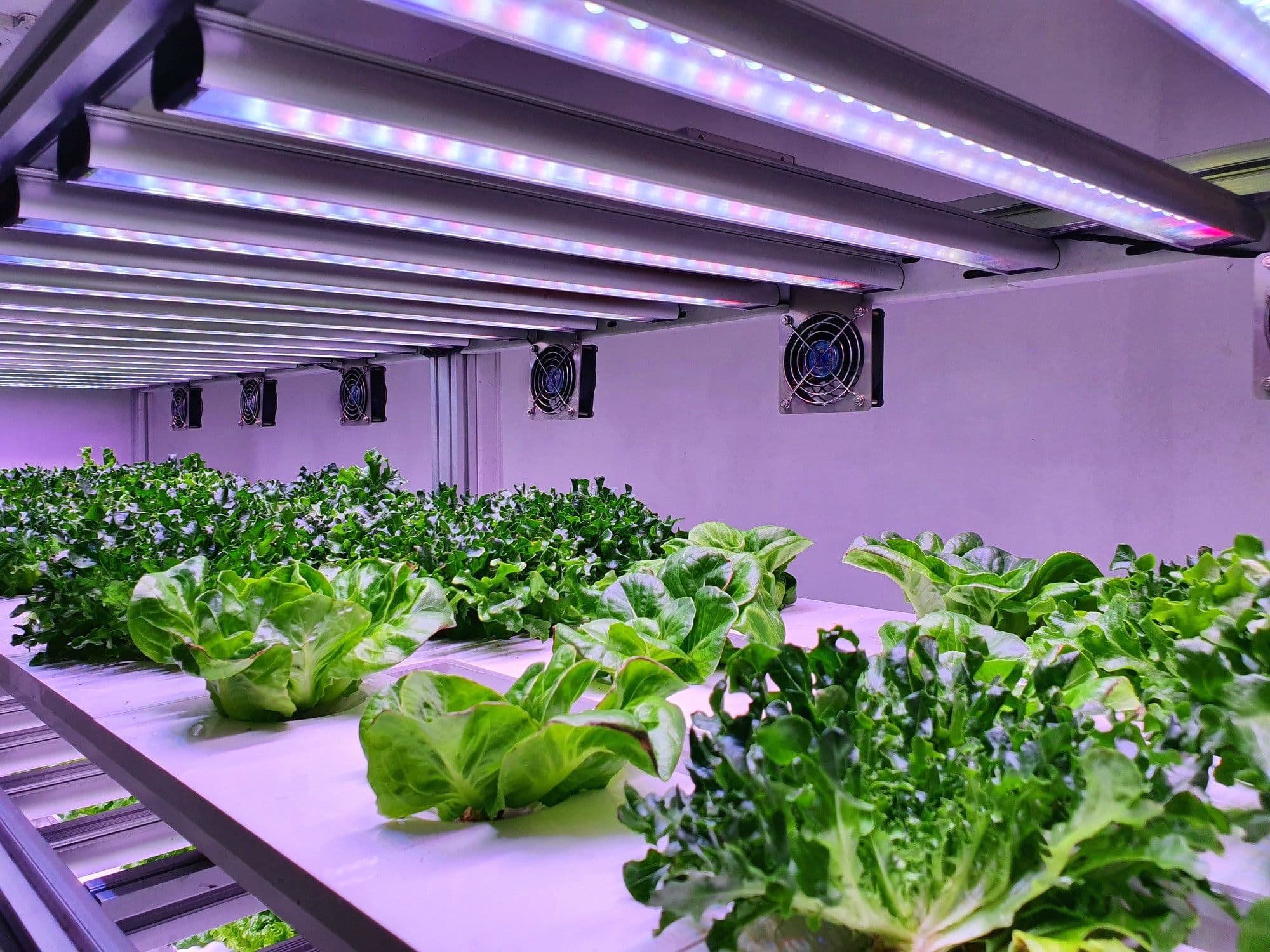
Plants can grow under artificial light when the setup provides a suitable spectrum, enough intensity, and sufficient daily exposure. This guide explains how artificial lighting compares with sunlight, which options work indoors, and how to match a setup to houseplants.

Plant Care

Can Plants Grow With Artificial Light?
Frozen vs Fresh Vegetable Nutrients: Which Option Is Healthier?

6 min read · 8 Sept 2026

Frozen vs Fresh Vegetable Nutrients: Which Option Is Healthier?

Frozen and fresh vegetables are nutritionally comparable: frozen produce often retains vitamins just as well as fresh and may sometimes contain more. Here’s how blanching and storage affect nutrients—and when to choose each.

Plant Recommendations
Frozen vs Fresh Vegetable Nutrients: Which Option Is Healthier?
Banana Peel Water for Plants: 5 Things to Know Before Trying It

5 min read · 9 Jul 2026

Banana Peel Water for Plants: 5 Things to Know Before Trying It

Banana water can provide potassium and some nutrients that may support plant growth, but it is not a universal fix. Use it carefully and only when the plant actually shows signs of nutrient deficiency rather than as a routine treatment.

Plant Care
Banana Peel Water for Plants: 5 Things to Know Before Trying It