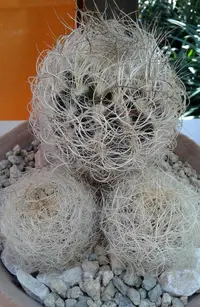


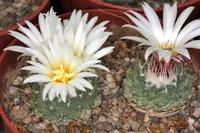


Cactus (Eriosyce senilis) Light Needs

Cactus grows best in full sun, with several hours of direct light and bright exposure the rest of the day.

Light Preference

Full Sun

Eriosyce senilis Light Requirements

Eriosyce senilis is native to Chile, where it grows in dry, rocky habitats with open exposure and intense sunlight. In these sites, plants receive strong direct sun, moving shade from rocks, and cooler seasonal conditions rather than constant shade.

Cultivated plants do best when this open exposure is matched gradually, especially after indoor or shaded conditions. Preferred light is full sun.

  • Ideal exposure:

    Cactus needs about 6–8 hours of bright light daily, ideally full sun, including 4–6 hours of direct sun.

  • Direct sun tolerance:

    Established plants can take full sun, but increase exposure over 1–2 weeks after shade or indoor conditions.

  • Lower light:

    Partial sun is tolerated, but shade usually leads to stretched, weaker growth and fewer flowers.

  • Sun timing:

    Morning sun is easiest to adapt to; intense afternoon sun is safer after gradual acclimation.

Indoors, this plant needs the brightest window exposure available.

NPoor
North-facing window:

A north-facing window is usually too dim unless the view is exceptionally open and supplemental light is used.

ESuitable
East-facing window:

An east-facing window works when it gives several hours of direct morning sun and a clear view of the sky.

SBest
South-facing window:

A south-facing window is the strongest indoor choice, especially within 1–2 ft of unobstructed glass.

WConditional
West-facing window:

A west-facing window can work, but hot afternoon rays may need gradual acclimation or light filtering in summer.

Move plants that were grown in shade closer to stronger sun over 1–2 weeks to reduce scorch.

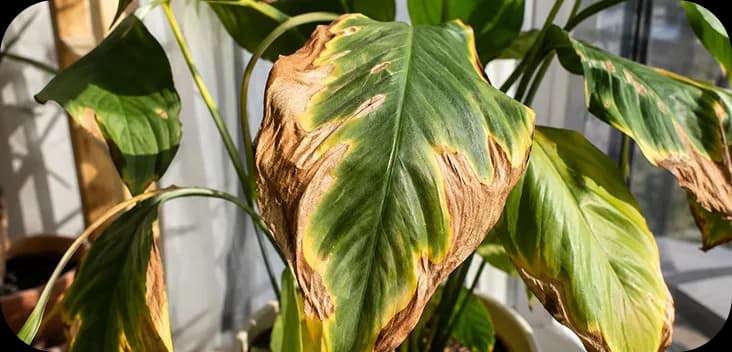
Strong sun is usually welcome, but abrupt exposure can cause damage.

Bleached patches:

Pale tan or whitish areas may appear on the side facing the strongest sun.

Sun-facing scars:

Damaged spots can become dry, corky, or slightly sunken after sudden exposure.

Reddened skin:

A bronze or reddish cast can signal stress, especially after a quick move into stronger light.

Exposed shrinkage:

The sun-facing side may look tighter or slightly shriveled during extreme heat and intense afternoon sun.

Move it out of the harshest afternoon sun and reintroduce brighter exposure gradually. Damaged tissue usually remains visible, so focus on protecting new growth.

Low light affects shape before it causes obvious damage.

  • Stretched crown:

    New growth at the top may become narrow, elongated, or less compact than older growth.

  • Leaning growth:

    The plant may angle toward the strongest light source rather than staying evenly upright.

  • Sparse spines:

    New areoles may produce weaker or more widely spaced spines when light is too low.

  • Fewer flowers:

    Flowering may be reduced or absent when the plant does not receive enough strong seasonal light.

Move Eriosyce senilis to brighter exposure in stages, starting with morning sun. Avoid shifting a shaded plant straight into harsh all-day sun.

When ideal full sun is not available, choose the brightest unobstructed spot and keep the pot as close to the light source as temperatures allow. Prioritize several hours of direct morning sun over a longer period of weak shade.

Rotate the pot a quarter turn every few weeks to keep growth even and prevent leaning. Add a sheer curtain only if sun-facing tissue starts to bleach or scar after a sudden increase in exposure.

A dim shelf or room with no direct sun is unsuitable because it cannot meet Eriosyce senilis light needs.

Get Personalized Care Plan

Scan your plant to receive care tips personalized for your specific plant

FAQ

The best light for Cactus is full sun, with about 6–8 hours of bright exposure daily and several hours of direct sun when possible.

More Plant Light Guides

Get the Botan App

Discover how to care for your plants with Botan.

Botan app identifying a plant with a phone camera
20 Most Popular Fruits Around the World

7 min read · 22 Jul 2026

20 Most Popular Fruits Around the World

Curious which fruits the world actually eats the most? Here's the top-20 by production volume, an overview of what people choose in each region, and a few figures that defy common assumptions.

Plant Recommendations
20 Most Popular Fruits Around the World
How To Revive a Dying Plant: 6 Steps To Bring A Plant Back To Life

6 min read · 1 Sept 2026

How To Revive a Dying Plant: 6 Steps To Bring A Plant Back To Life

Drooping leaves and brown tips don't always mean the end, and a weakened plant can often recover with a little help. These six simple steps will help you revive a dying plant and restore its health.

Plant Care
How To Revive a Dying Plant: 6 Steps To Bring A Plant Back To Life
Top 15 Fast-Growing Trees For Your Garden

13 min read · 28 Jul 2026

Top 15 Fast-Growing Trees For Your Garden

Learn which of the 15 fastest-growing trees will suit your area. We’ll share detailed information on each: growth rate, mature spread, key tree demands, and main vulnerabilities. Read on and make the best choice possible.

Plant Recommendations
Top 15 Fast-Growing Trees For Your Garden