


Best Soil for Mistletoe Cactus (Rhipsalis baccifera)

A loose, moisture-balanced mix helps Rhipsalis baccifera maintain healthy roots without staying heavy or airless around them.

Soil Texture

Sandy, Loamy, Organic-rich

Soil pH

Acidic (5.5–6.5), Slightly acidic (6.5–7.0)

Soil Drainage

Moist but well-drained

Rhipsalis baccifera Soil Guide

Native to tropical and subtropical parts of the Americas, Rhipsalis baccifera grows in humid forests, often above ground on tree branches. That habitat explains why it prefers a light, airy substrate that holds some moisture but drains freely, rather than dense, dry desert-style soil.

Its roots are relatively fine and adapted to quick access to air and moisture, not long periods in compacted, soggy material. The best soil for Mistletoe Cactus is sandy or loamy with plenty of organic matter, giving a balance of moisture retention, oxygen, and gentle acidity.

A simple homemade blend can give Rhipsalis baccifera the balance of airflow and moisture retention it prefers in containers.

100% total mix = 20 scoops
15%
compost or worm castings3 scoops
20%
perlite or pumice4 scoops
25%
fine orchid bark5 scoops
40%
coco coir or peat moss8 scoops

The finished mix should feel springy, crumbly, and light in the hand, with water moving through it freely while a little moisture remains behind.

A slightly acidic to near-neutral range around 5.5–7.0 suits Mistletoe Cactus well. In that window, key nutrients stay more available, which supports steady root activity and balanced growth.

If pH drifts too far outside that range, some nutrients become harder for the plant to absorb even when they are present in the mix.

This species can react poorly when the root zone stays stale for too long. A few soil-related warning signs are worth checking early.

Compacted mix:

Compacted mix: if the surface hardens and water stops soaking in evenly, gently loosen only the top layer and plan to replace the mix with a fresher, airier one.

Staying wet too long:

Staying wet too long: if the container feels heavy for many days and the mix stays cold or soggy, improve airflow around the roots and move it into a pot with better drainage if needed.

Shrinking from the pot edge:

Shrinking from the pot edge: if dry soil pulls away from the sides and sheds water, rewet it gradually so the mix can absorb moisture evenly again.

Fungus gnats:

Fungus gnats: frequent tiny flies around Rhipsalis baccifera often point to consistently damp organic material, so let the upper layer dry a bit more between checks and remove debris from the surface.

Soil Help, Fast

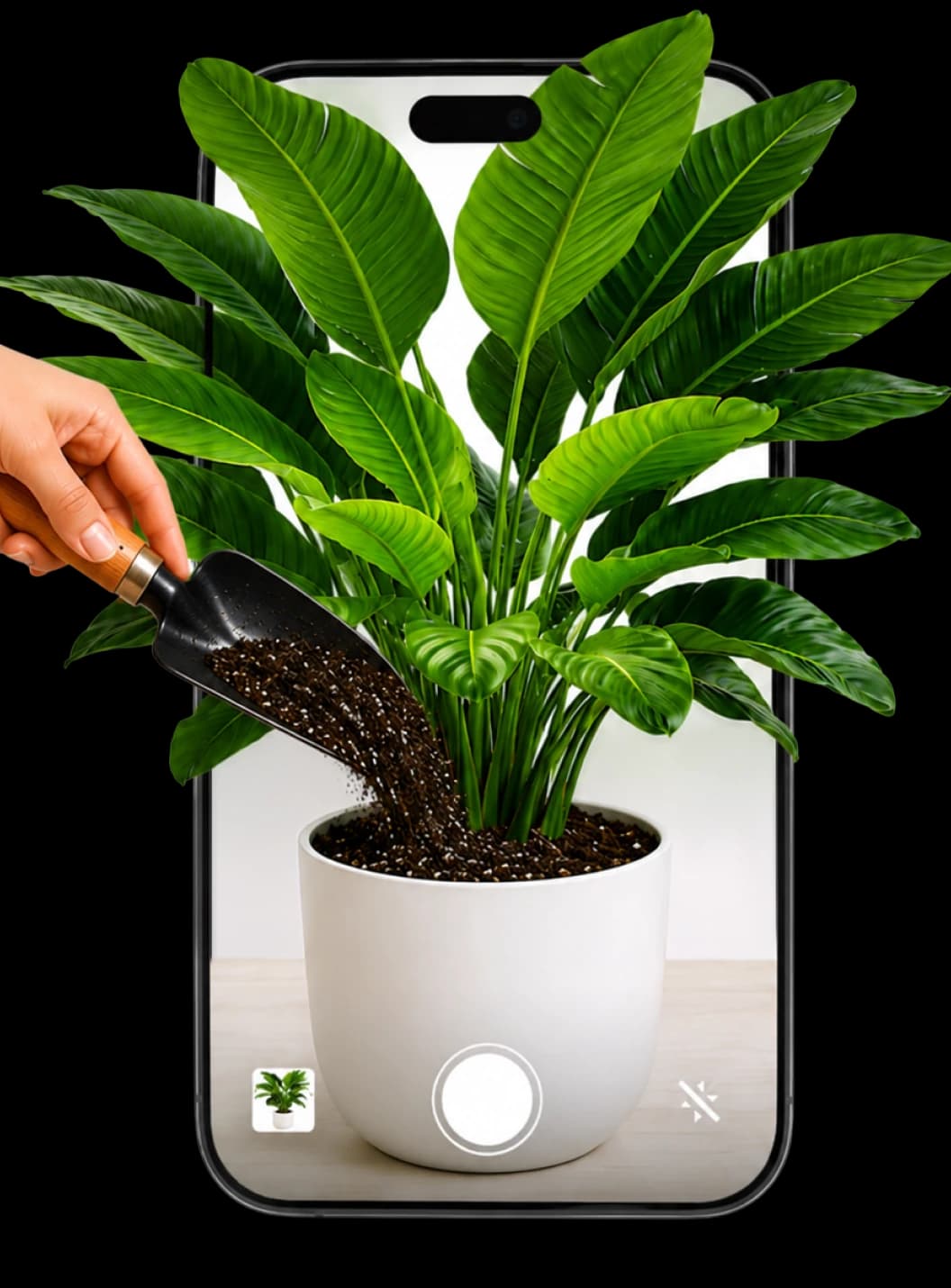
Botan can help match this plant to a more suitable substrate by combining plant ID with practical soil guidance for container growing.

FAQ

Yes. Drainage holes are strongly recommended because they let excess water leave the container instead of collecting around the roots. That matters for keeping the mix balanced and reducing the chance of stale, saturated conditions.

Everything About Mistletoe Cactus

More Plant Soil Guides

Check What the Soil Is Doing

If leaves or stems look off, soil may be part of the picture. Botan’s photo assessment can help you check that possibility more clearly.

Botan app helping with soil and plant care
What Plants Don't Like Epsom Salt?

11 min read · 29 Jul 2026

What Plants Don't Like Epsom Salt?

Learn which plants can be seriously damaged by Epsom salt and which will thrive on it. We’ll explain when and how to use it properly, provide tips for indoor & outdoor plants — read on and enjoy a healthy garden.

Plant Care
What Plants Don't Like Epsom Salt?
Planting Grass Seed in Summer – What Works and What Fails

7 min read · 6 Aug 2026

Planting Grass Seed in Summer – What Works and What Fails

Summer seeding succeeds when the grass type suits the season, and the soil stays moist. Find out how to prepare the seedbed and choose a safe window for planting.

Plant Care
Planting Grass Seed in Summer – What Works and What Fails
12 Best Landscaping Trees for Your Garden

8 min read · 6 Oct 2026

12 Best Landscaping Trees for Your Garden

Choosing the landscape tree depends on what your garden needs most. These 12 options include compact flowering specimens, colorful deciduous trees, shade varieties, and evergreens suitable for screening and year-round structure.

Plant Recommendations
12 Best Landscaping Trees for Your Garden