




Best Soil for Hoya Hearts (Hoya kerrii)

A loose, well-drained mix helps Hoya kerrii maintain healthy roots by balancing airflow with light moisture retention.

Soil Texture

Loamy, Organic-rich

Soil pH

Acidic (5.5–6.5), Slightly acidic (6.5–7.0)

Soil Drainage

Well-drained

Hoya kerrii Soil Guide

Native to Southeast Asia, Hoya kerrii grows in warm conditions where roots get airflow and water drains away quickly. That background explains why the best soil for Hoya Hearts is loose, open, and fast-draining rather than heavy or compact.

Its roots prefer a sandy or loamy texture with some organic matter to hold light, even moisture without staying wet for long. Well-drained Hoya Hearts soil also helps oxygen reach the roots, which supports steady growth and suits this species’ semi-succulent nature.

A custom mix gives better control over texture and airflow than standard houseplant soil alone. For Hoya kerrii, aim for a blend that stays open around the roots.

100% total mix = 20 scoops
15%
coco coir or peat moss3 scoops
20%
perlite or pumice4 scoops
25%
orchid bark5 scoops
40%
potting soil8 scoops

The finished blend should feel chunky, springy, and airy, with water moving through promptly instead of pooling.

Hoya Hearts grows best in slightly acidic to near-neutral soil, around 5.5–7.0 pH. Within that range, key nutrients stay more available, which supports steadier root activity and leaf growth.

It can handle mild variation, but extremes on either side may reduce nutrient uptake over time even when the mix otherwise looks suitable.

This species is more sensitive to stale, compact root conditions than to a slightly lean mix. Check the root zone when growth seems stalled or the pot stays wet too long.

Compacted mix:

Compacted mix: Soil that has sunk and hardened can limit airflow, so gently loosen only the surface and plan to replace the mix if it no longer drains freely.

Soggy lower layer:

Soggy lower layer: If the top seems dry but the lower mix stays heavy, tip the pot slightly to inspect drainage and stop adding more moisture until it lightens.

Breakdown over time:

Breakdown over time: Older organic material can turn fine and dense, so refresh Hoya kerrii into a coarser blend when the mix starts holding moisture too long.

Salt buildup:

Salt buildup: A crust on the soil surface or pot rim can point to accumulated minerals, so scrape off the top layer and flush with clean water when practical.

Scan. Match. Grow.

Botan helps match the plant and guides better soil choices based on its growth habit, root needs, and container setup.

FAQ

Yes. Drainage holes help excess water leave the pot, which keeps the root zone better aerated and lowers the chance of dense, soggy conditions developing in Hoya Hearts soil.

Everything About Hoya Hearts

More Plant Soil Guides

Scan for Soil Problems

Use Botan’s photo-based assessment to check whether soil conditions may be part of the issue and what to look at next.

Botan app helping with soil and plant care
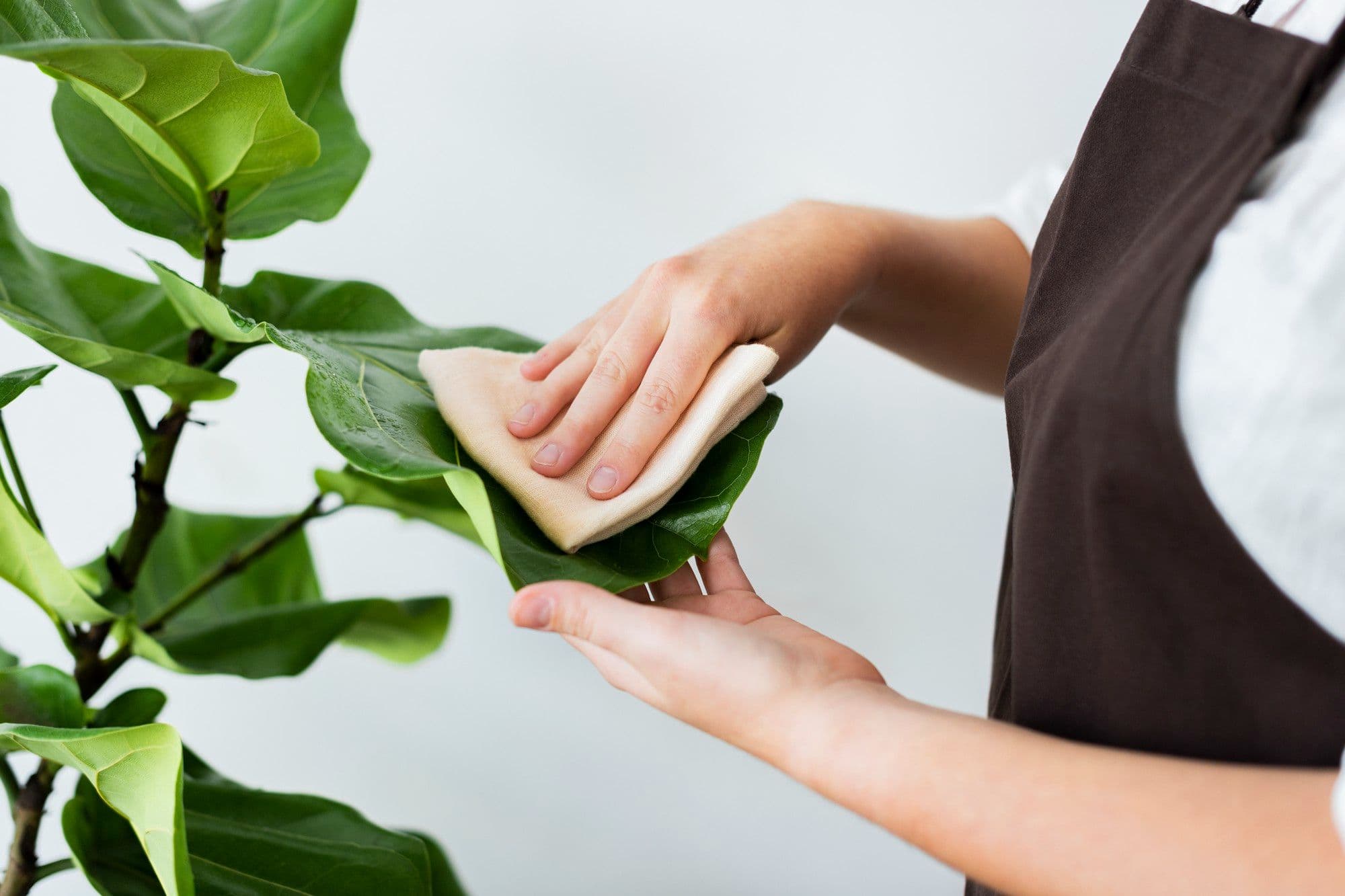
How to Clean Plant Leaves: A Simple Care Guide

6 min read · 4 Aug 2026

How to Clean Plant Leaves: A Simple Care Guide

Dusty leaves look dull and don't absorb light well. Below, you'll find simple ways to clean them, which tools are truly effective, how often you should do it, and what causes damage.

Beginner Guides
How to Clean Plant Leaves: A Simple Care Guide
How Long Can Flowers Go Without Water? Everything You Need to Know

6 min read · 10 Jul 2026

How Long Can Flowers Go Without Water? Everything You Need to Know

Flowers can survive without water anywhere from 1-2 hours to several months, depending on the plant type, species, and growing conditions. Some strong-looking flowers are drought-sensitive, while delicate-looking plants may tolerate long dry periods surprisingly well.

Plant Care
How Long Can Flowers Go Without Water? Everything You Need to Know
How to Group Plants in Landscaping: A Practical Layout Guide

8 min read · 31 Aug 2026

How to Group Plants in Landscaping: A Practical Layout Guide

Good plant grouping can mean the difference between a well-planned garden and one that looks sloppy. This guide explores layers, spacing, cluster shapes, and the plants that thrive when you group them.

Plant Care
How to Group Plants in Landscaping: A Practical Layout Guide