Summer monsoon growth
In habitat, this species grows most actively during late-summer monsoon rains in the Chihuahuan Desert, timing new tissue and flowering to brief pulses of natural moisture rather than to winter or spring rainfall.

This page explains when, how often, and how much to water Peyote for controlled, healthy growth.

Water Requirements
Low Water
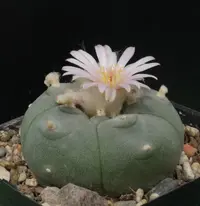
Native to arid desert regions, this cactus evolved for long dry spells with only occasional, light rainfall soaking the soil. Lophophora williamsii prefers the soil to dry between waterings rather than staying consistently moist in pots or in the ground.
In containers or outdoor beds, watering Peyote follows the same principle: brief moisture, then a full dry-out. This section outlines how to water Peyote in simple terms before more specific guidance later on.
Let the soil dry completely between waterings, then wait a few extra days before watering again. In its growing season, this usually means about every 3–5 weeks, but timing varies. Hot, very bright conditions shorten the interval, while cool indoor conditions extend it.
Water Peyote when the potting mix is completely dry, then rehydrate the roots slowly, avoiding sudden saturation or lingering moisture.
Incorrect moisture levels can stress Lophophora williamsii and trigger several avoidable health problems over time.
Skin wrinkles and sinks inward after prolonged drought, indicating the root zone stayed dry too long.
Stem feels spongy and collapses when excessive watering rots internal tissues and weakens structure.
Lower areas yellow and lose firmness as chronically wet soil begins damaging shallow roots.
Dark, sunken ring at soil line signals advanced rot from standing moisture and poor drainage.
Potting mix stays wet for many days, limiting aeration and promoting anaerobic decay around roots.
Let the mix dry thoroughly between deep soakings, prioritizing sharp drainage and strong air movement around roots.
Unsuitable watering habits can stress Lophophora williamsii, weakening its tissues and making this slow-growing cactus vulnerable to decline over time.
The safest approach is brief, infrequent soakings in a sharply draining mix, then a complete dry-out before any additional water.
Watering Advice
Learn when to water your plant and avoid common watering mistakes.
Use Botan for a clear Lophophora williamsii watering guide and practical care steps, plus gentle photo-based checks that help identify early stress, pests, or other developing issues.
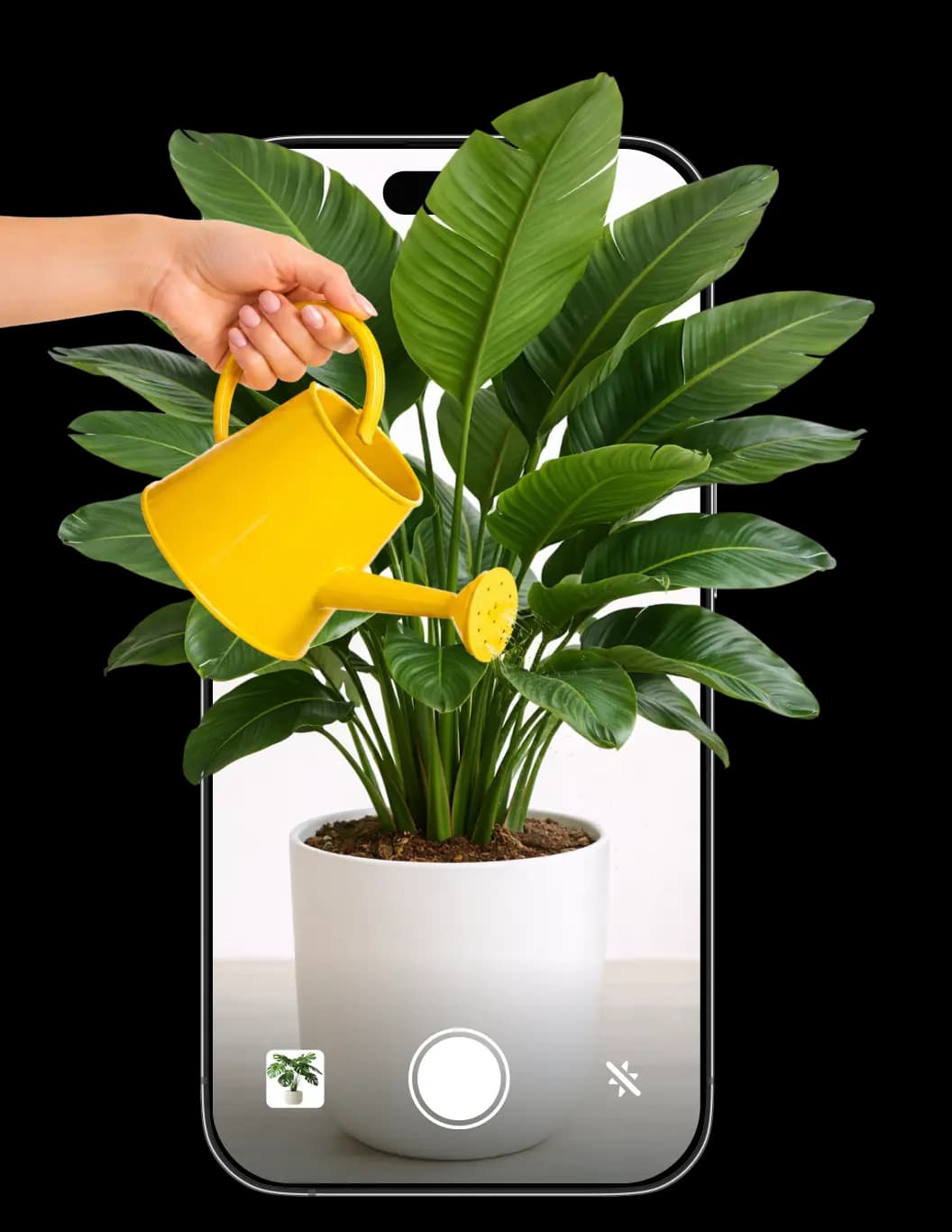
In habitat, this species grows most actively during late-summer monsoon rains in the Chihuahuan Desert, timing new tissue and flowering to brief pulses of natural moisture rather than to winter or spring rainfall.
Mature plants form a thick underground taproot that stores substantial water and nutrients, allowing the small, above‑ground crown to endure long droughts while the root slowly draws on reserved moisture.
In active growth, water every 2–4 weeks, only when the soil is completely dry several inches deep. In winter dormancy, reduce how often to water dramatically, giving just enough to prevent shriveling, or keep dry in cool conditions.
Use Botan to review watering patterns and see if adjustments are needed.

5 min read · 9 Jul 2026
Banana water can provide potassium and some nutrients that may support plant growth, but it is not a universal fix. Use it carefully and only when the plant actually shows signs of nutrient deficiency rather than as a routine treatment.
8 min read · 6 Jul 2026
Plants that repel mosquitoes can help mask human scent naturally and make outdoor spaces more comfortable. Explore the most effective options, their benefits and drawbacks, and choose the right plant for your space.
7 min read · 13 Aug 2026
Rainwater, filtered, distilled, and tap water affect plants differently. Learn which types support healthy growth and which cause slow damage. Match each to your plants and discover how to easily improve tap water quality.