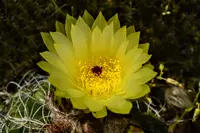
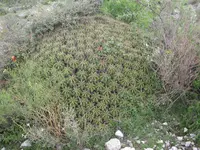
Cactus Care (Espostoopsis dybowskii)

Cactus

About Cactus

Espostoopsis dybowskii is a columnar cactus known for its dense white wool and bristly spines, giving it a soft, snow-covered appearance from a distance. It is a slow-growing species that usually stays narrow and upright, making it suitable for container culture indoors. Native to Brazil, it comes from dry, rocky habitats with strong light and very sharp drainage. Its tolerance of drought and relatively compact size make it manageable for beginners who want to care for Cactus without constant attention. It prefers bright light, low moisture, and a gritty, fast-draining soil mix.

Main Plant Requirements

Care Difficulty

Moderate Care

Light Preference

Full Sun

Water Requirements

Low Water

Temperature Preference

Tropical / Frost Sensitive

Hardiness Zone

10–11

Soil Texture

Sandy, Loamy, Rocky

Soil pH

Slightly acidic (6.5–7.0), Neutral (7.0)

Soil Drainage

Well-drained

Fertilization

Minimal (feed rarely)

Get Personalized Care Plan

Scan your plant to receive care tips personalized for your specific plant

Available on iOS and Android

How to Care for the Cactus

Espostoopsis dybowskii needs bright, mostly direct sun adapted gradually to avoid burn.

  • Provide 6–8 hours of direct sun daily, ideally strong morning sun with some protection from harsh mid-afternoon summer rays.
  • In very hot, low-humidity climates, give light afternoon shade or filtered light to prevent bleaching and corky patches on stems.
  • If grown in partial shade, ensure at least 4 hours of direct sun; pale, elongated growth signals insufficient light for this Cactus.

This cactus prefers infrequent, deep watering with thorough drying in between.

  • Allow the top 3–5 cm of soil to dry completely before watering; in hot, active growth this may mean every 10–21 days depending on climate and soil.
  • Reduce watering sharply in cooler months, giving only a light soak every 4–6 weeks or whenever stems begin to slightly wrinkle.
  • Use very fast-draining, gritty soil so excess water exits quickly; soft, yellowing tissue or a sour smell signals overwatering, while pronounced stem shriveling indicates underwatering in Espostoopsis dybowskii.

This species prefers warm, dry conditions and does poorly in cold or damp environments.

  • Aim for 70–85°F (21–29°C) during active growth, with nights no cooler than 60°F (16°C) for strongest development.
  • Protect from frost; brief dips to 40–45°F (4–7°C) are usually tolerated if soil is dry, but freezing quickly damages tissue.
  • In heat waves above 95°F (35°C), increase air movement and provide light afternoon shade to avoid heat stress and sunscald on exposed stems.

This species is adapted to dry air and rarely needs extra humidity management indoors.

  • Aim for 30–50% relative humidity, similar to most heated homes, without special humidifiers.
  • This Cactus tolerates temporary dips below 30% without damage if watering and light are appropriate.
  • If stems wrinkle while the soil is still slightly moist, reduce any added humidity and improve air movement around the plant.

This cactus needs a very fast-draining, mineral-rich substrate to prevent root and stem rot.

  • Use a gritty mix such as 50–70% inorganic materials (pumice, coarse perlite, grit, or coarse sand) blended with 30–50% cactus potting mix.
  • Aim for slightly acidic to neutral pH, around 6.0–7.0, which suits Espostoopsis dybowskii and most cacti.
  • Increase aeration by using large particle sizes (2–5 mm) and avoiding fine peat that compacts and holds water around roots.
  • Avoid dense, clay-based, or all-purpose potting soils that stay wet for more than 2–3 days after watering.

This species is very suitable for container growing due to its slow, upright habit.

  • Choose a container just 2–5 cm wider than the root ball to limit excess wet substrate and reduce rot risk.
  • Select a heavy clay or ceramic pot to stabilize the tall, columnar stems against tipping in strong drafts or accidental bumps.
  • Raise the pot slightly on feet or mesh so drainage holes never sit in a saucer of water, allowing rapid runoff after watering.

This slow-growing cactus needs only light, infrequent feeding to stay healthy in containers.

  • Use a low-nitrogen, balanced cactus fertilizer (for example 5-10-10) diluted to 25–50% strength.
  • Feed once every 4–6 weeks during the warm growing season when light and temperatures are high.
  • Avoid compost or rich organic mixes that retain moisture and can cause root rot.
  • Stop feeding entirely in winter dormancy and resume only when active growth clearly restarts.

Espostoopsis dybowskii needs minimal pruning, mainly to maintain health and remove problem tissue.

  • Carry out any pruning in late spring or early summer, when the plant is actively growing.
  • Remove only dead, diseased, or badly damaged stems using sharp, sanitized pruning shears or a clean knife.
  • Avoid cutting healthy stems; heavy pruning disfigures the columnar shape and slows growth.
  • If offsets appear at awkward angles, trim carefully at the base to maintain a tidy form.

This species prefers a stable root environment and only needs infrequent repotting in containers.

  • Check for roots circling the pot, pushing through drainage holes, or noticeably slowed growth as signals to repot.
  • Plan repotting for late spring, every 3–5 years, when active growth supports faster root recovery.
  • Select a slightly larger pot with excellent drainage and a gritty cactus mix, handling the root ball gently.
  • Minimize root stress by repotting dry, then waiting 5–7 days before lightly watering in the new container.

Propagation of Espostoopsis dybowskii is usually done from seeds and requires patience and stable conditions.

  • Sow fresh seed in late spring or early summer in a sterile, very well-draining cactus mix.
  • Maintain 70–80°F, bright indirect light, and consistently slightly moist (not wet) substrate for germination.
  • Cover the tray with a clear lid or plastic dome to hold humidity, then gradually increase ventilation after sprouting.
  • Grow seedlings on in small pots, reducing moisture and increasing light slowly to avoid scorch or rot.

This cactus is not frost hardy and needs careful winter management in most temperate climates.

  • Move container plants indoors before temperatures drop near 40°F, placing them in bright, cool, dry conditions.
  • Keep the root zone completely dry in winter to prevent cold-related rot and tissue damage.
  • Avoid cold drafts and contact with icy windows, which can scar or collapse stems.
  • Resume gradual watering only in spring, once days lengthen and active growth restarts.

Care Tips

Rotate For Symmetry

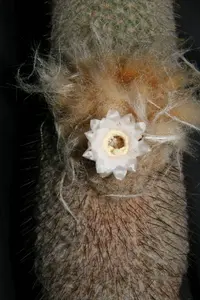
Turn the pot 90° every 2–3 weeks so all sides receive similar light, which keeps the column straight and prevents the stem from leaning or curving toward the brightest window.

Use Mineral Topdressing

Apply a 1–2 cm layer of coarse grit or small lava rock on the soil surface to keep the woolly base dry, reduce fungal gnats, and highlight the trunk without trapping moisture against the stem.

Protect Wool From Wet

When watering, aim the stream directly at the soil and gently lift or shield the woolly stem if needed so the hairlike coating does not stay wet, which reduces the risk of rot and staining.

Stabilize Tall Columns

As the plant elongates, add a heavy, wide pot and, if necessary, a discreet dry bamboo stake tied loosely with soft horticultural tape to prevent tipping while still allowing natural movement.

Cool, Bright Winter Rest

In winter, keep the plant bright but cooler (50–60°F) and almost dry, which supports strong spine and wool development and aligns with professional Espostoopsis dybowskii plant care in collections.

Everything About Cactus

Common Pests and Diseases

Mealybugs

This pest hides in the woolly areoles and between stems, feeding on sap and causing yellowing, shriveling, and weak growth. Symptoms include white, cottony clusters that are hard to see through the thick hair.

Solution

Remove visible pests with a cotton swab dipped in 70% isopropyl alcohol, carefully parting the hair to reach the areoles. Follow with 1–2 applications of an alcohol-based or neem oil spray labeled for cacti, improve light and airflow, and quarantine the plant until no new insects appear.

Spider mites

These insects prefer the dry, hairy surface of the stems and can cause a dull, grayish appearance and fine stippling on the skin beneath the hair. This pest is often noticed late because webbing and damage are partly hidden by the wool.

Solution

Shower the plant with a strong but controlled stream of lukewarm water to dislodge mites, then apply an insecticidal soap or neem oil spray, making sure to wet the stem surface under the hair as much as possible. Increase ambient humidity slightly, improve air movement, and repeat treatment weekly until no further damage appears.

Scale insects

These insects attach under the hair or near the base of stems, sucking sap and causing localized yellowing, scarring, and a generally weakened plant. Symptoms include small, hard, brown or tan bumps that do not brush off easily.

Solution

Gently scrape or lift individual scales with a toothpick or soft brush, then dab remaining insects with 70% isopropyl alcohol. For heavier infestations, use a systemic insecticide appropriate for cacti and monitor new growth closely as part of ongoing Espostoopsis dybowskii care.

Corky stem blight

This disease often develops on older, shaded, or overwatered stems, producing dry, tan to brown, corky patches that may slowly expand. Symptoms include rough, scab-like lesions that interrupt the normal green skin beneath the hair.

Solution

Cut out small affected areas with a sterile knife if feasible, keeping only firm, healthy tissue, and dust wounds with a dry sulfur or copper-based fungicidal powder. Reduce watering, increase light, and improve ventilation to keep stems dry, discarding severely affected plants if lesions continue to spread.

Basal stem rot

This disease starts at the base of the stem, especially in poorly drained soil or cold, damp conditions, and causes soft, discolored tissue and eventual collapse. Symptoms include a water-soaked, brown base and a foul smell when decay is advanced.

Solution

At the first sign of softening, unpot the plant, cut away all rotted tissue to firm, green flesh, and allow the base to dry several days before replanting in a fresh, very gritty cactus mix. After replanting, keep soil almost dry, provide strong light and warmth, and consider rooting the healthy top as a cutting if basal damage is extensive.

Interesting Facts

Miniature Andean columnar

This species is one of the few truly miniature columnar cacti native to Brazil’s campos rupestres, forming slender, slow-growing stems instead of the tall columns typical of many Andean relatives.

Persistent woolly coat

The dense white hair on the stems is not just ornamental; it helps protect the plant’s epidermis from intense sun and rapid temperature swings in its rocky highland habitat.

Taxonomic uncertainty history

Espostoopsis dybowskii has a complex taxonomic history and has been shifted between several genera, reflecting how its unusual mix of floral and stem traits does not fit neatly into standard cactus classifications.

FAQs about Cactus

Growth is slow. In typical home conditions, it may add only 1–4 cm per year. Young plants grow slightly faster, then slow with age. Good light, proper watering, and a gritty mix support steady growth.

Grow Healthy Plants with Botan Care

Keep your plants happy and healthy with plant identification, disease detection, and easy care guidance.

Botan plant care app — identify plants on mobile

Explore More Plants