Selenicereus ocamponis Care

Selenicereus ocamponis

About Selenicereus ocamponis

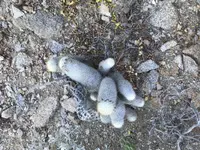
Selenicereus ocamponis is an epiphytic cactus, often called a night-blooming cereus, valued for its long, climbing stems and large, fragrant, nocturnal flowers. It typically grows as a scrambling or hanging plant, using surrounding structures or trees for support.

This species is native to arid and semi-arid regions of Mexico, where it experiences strong light, good air movement, and fast-draining, rocky or sandy substrates. These traits make it relatively undemanding if given bright light, low to moderate moisture, and a loose, gritty potting mix.

Gardeners who learn how to care for Selenicereus ocamponis often appreciate its resilience and striking night flowers, though flowering can require patience and consistent conditions over several seasons.

Main Plant Requirements

Care Difficulty

Moderate Care

Light Preference

Partial Sun

Water Requirements

Low Water

Temperature Preference

Tropical / Frost Sensitive

Hardiness Zone

10–11

Soil Texture

Sandy, Rocky, Organic-rich

Soil pH

Acidic (5.5–6.5), Slightly acidic (6.5–7.0)

Soil Drainage

Well-drained

Fertilization

Light (every 4–6 weeks)

Get Personalized Care Plan

Scan your plant to receive care tips personalized for your specific plant

Available on iOS and Android

How to Care for the Selenicereus ocamponis

This climbing cactus prefers bright, indirect light that mimics dappled sun along tree canopies.

  • Provide 4–6 hours of bright, filtered sun daily, such as morning sun with light afternoon shade, to support flowering of Selenicereus ocamponis.
  • Allow light shade during hot early afternoon periods; strong midday sun can scorch stems, causing yellow or brown patches.
  • In winter, move plants to brighter positions or higher exposures, as the lower sun angle reduces intensity and can slow growth if light drops too much.

This epiphytic cactus prefers deep but infrequent watering with excellent drainage.

  • Water only when the top 3–5 cm of soil feels dry, then soak thoroughly so excess drains away and the root zone is moistened evenly.
  • Reduce watering in fall and winter, allowing the mix to dry almost completely; slightly wrinkling stems suggest thirst, while mushy or blackened bases indicate overwatering.
  • Use a very free-draining cactus or orchid-style mix so water does not pool around roots, which quickly leads to rot in Selenicereus ocamponis.

This species prefers warm, stable temperatures and does poorly in cold or frost.

  • Aim for 65–80°F (18–27°C) during active growth for best stem development and flowering potential.
  • Protect from temperatures below 50°F (10°C); brief dips to 40–45°F (4–7°C) may be tolerated but can slow growth and stress the plant.
  • In hot spells above 90°F (32°C), increase airflow and provide light shade to prevent heat stress, soft stems, and sunburned tissue.

This cactus handles typical indoor humidity well but benefits from moderately dry air.

  • Aim for 30–50% humidity, which matches its arid to semi-arid natural conditions.
  • Tolerates drier air, but very stagnant, overly humid rooms can encourage rot at stem bases.
  • Watch for soft, yellowing stem segments as a sign of excess humidity and improve air movement with a small fan if needed.

This species needs a very fast-draining, airy mix that mimics rocky, organic-poor desert soils.

  • Use a gritty mix such as 50% cactus potting mix with 25% pumice or perlite and 25% coarse sand or fine gravel for strong aeration.
  • Keep drainage rapid; water should pass through in seconds, with no lingering soggy patches around the roots.
  • A slightly acidic to neutral pH around 6.0–7.0 suits Selenicereus ocamponis, avoiding nutrient lockout common in very alkaline media.
  • Avoid dense, peat-heavy or clay-based mixes that compact, reduce oxygen around roots, and sharply increase root-rot risk.

This species is well suited to container growing due to its vining, epiphytic habit.

  • Choose a wide, low, and heavy pot to counterbalance long, trailing stems that can make the plant top-heavy.
  • Select porous materials like unglazed terracotta to allow faster evaporation and reduce the chance of root rot in a gritty mix.
  • Provide a sturdy trellis, hoop, or hanging support fixed in the container so stems do not tug on and loosen the root zone as they lengthen.

This cactus benefits from light, targeted feeding during its active season to support stem growth and flowering in Selenicereus ocamponis care.

  • Use a balanced cactus or succulent fertilizer (for example 10-10-10) or diluted all-purpose liquid feed at 1/4–1/2 strength.
  • Apply every 4–6 weeks in spring and summer when growth is active, on pre-watered soil to avoid root burn.
  • Stop feeding in fall and winter to allow a natural rest period and prevent weak, stretched growth.
  • Avoid rich compost or heavy slow-release pellets that keep soil wet or overly nutrient-loaded.

Pruning is mainly used to control length and remove unhealthy stems on Selenicereus ocamponis.

  • Carry out light pruning in late winter or early spring before active growth starts.
  • Remove dead, shriveled, damaged, or badly scarred stems with clean, sharp scissors or pruners.
  • Thin crowded or tangled stems at the base to improve light penetration and air movement.
  • Shortening overly long stems encourages branching and a neater, more supported plant shape.

This species tolerates being somewhat root-bound but occasional repotting maintains healthy growth and stability.

  • Check for roots circling the pot, emerging from drainage holes, or noticeably slowed growth as signs it needs more space.
  • Plan to repot every 2–3 years in late winter or early spring, just before the main growth flush.
  • Choose a pot only 2–5 cm wider than the previous one, with excellent drainage and a gritty cactus mix.
  • Gently loosen circling roots, keep the root ball mostly intact, and water lightly after repotting to limit stress and rot risk.

Stem cuttings provide the most reliable way to create new plants from Selenicereus ocamponis.

  • Take healthy, pencil-thick stem sections in late spring or early summer, avoiding very old or damaged tissue.
  • Allow cut ends to dry and callus for 3–7 days in a shaded, airy spot before planting.
  • Insert cuttings upright into a dry, well-drained cactus mix and water very lightly until roots form.
  • Keep in bright, indirect light at 70–80°F with low to moderate watering until new growth shows successful rooting.

This cactus is frost-sensitive and needs careful winter management in most temperate climates.

  • Keep plants above 50°F; brief exposure near 40°F may be tolerated but freezing will damage stems.
  • Move containers indoors to a bright, cool room before nighttime temperatures drop below about 50°F.
  • Reduce watering sharply in winter, letting the mix dry almost completely between light waterings.
  • In mild climates, grow in very free-draining soil and add a light gravel mulch around the base to keep stems off cold, wet ground.

Care Tips

Support long stems

Install a sturdy trellis, hoop, or hanging support before stems exceed 60–90 cm so the plant can climb or drape without kinking or breaking at the base joints.

Encourage flowering rest

Provide a slightly cooler, drier rest period in late winter by reducing water and keeping nights around 55–60°F to help trigger bud formation in spring.

Nighttime pollination aid

If flowers open indoors at night, hand-pollinate by gently brushing pollen from the anthers onto the stigma with a small, clean paintbrush to increase the chance of fruit set.

Careful stem handling

When repotting or moving the plant, support stems with both hands and avoid sharp bends, because older joints snap easily and take a long time to regrow.

Prevent rot at base

Keep the crown and stem bases slightly elevated on a gritty top-dressing and avoid letting water pool around the junction of stem and soil, which significantly reduces the risk of basal rot when caring for Selenicereus ocamponis.

Common Pests and Diseases

Mealybugs

This pest appears as white, cottony clusters tucked into areole crevices and along the rib edges of the stems. Symptoms include sticky honeydew, sooty mold growth, and gradual stem weakening or yellowing.

Solution

Isolate the plant, then dab visible insects with cotton swabs dipped in 70% isopropyl alcohol, repeating weekly until no new clusters appear. For heavier infestations on this epiphytic cactus, use a ready-to-use insecticidal soap or neem oil spray directed into crevices, and reduce excess nitrogen fertilization that encourages soft, mealybug-prone growth.

Scale insects

These insects form small, tan to brown, shell-like bumps that adhere firmly to the ribbed stems and often cluster near areoles and joints. Symptoms include poor growth, a sticky surface, and a general decline in vigor.

Solution

Gently scrape or wipe off individual scales with a soft cloth or toothbrush, then treat the stems with horticultural oil or insecticidal soap, making sure to wet all sides of the hanging stems. Repeat treatment every 7–10 days for several cycles and improve light and air movement to help the plant outgrow minor damage as part of overall Selenicereus ocamponis care instructions.

Spider mites

This pest causes fine stippling, dulling, and a dusty appearance on the stem surface, sometimes with delicate webbing between ribs and at stem junctions. Symptoms include slowed growth and a general faded or stressed look, especially in hot, dry indoor air.

Solution

Rinse stems thoroughly under a gentle shower or hose, focusing on the undersides and inner tangles of the hanging stems, then apply insecticidal soap or neem oil. Increase humidity slightly, avoid very dry stagnant air, and inspect regularly with a hand lens so early mite activity can be managed before stems are heavily damaged.

Botrytis blight

This disease produces soft, water-soaked lesions on stems that can develop a gray, fuzzy mold, especially in cool, humid, low-light conditions. Symptoms include localized collapse of stem segments and spreading soft rot if conditions stay damp.

Solution

Remove and discard all affected stem sections with sterilized tools, cutting back into firm, healthy tissue, and avoid dripping water onto the remaining stems. Improve airflow, reduce crowding of hanging stems, increase light, and water at the soil line in the morning so the plant dries quickly; in persistent cases, a fungicide labeled for Botrytis on ornamentals may be used according to label directions.

Bacterial soft rot

This disease causes rapidly spreading, foul-smelling, mushy areas on the succulent stems, often beginning at wounds or spots that stayed wet. Symptoms include stem collapse, oozing tissue, and a sour or rotten odor localized to affected segments.

Solution

Immediately cut away and discard all mushy tissue, sterilizing tools between cuts, and do not compost removed parts. Allow remaining healthy cut surfaces to dry and callus in bright, indirect light, reduce watering until the plant is clearly firm and stable, and avoid overhead watering or mechanical damage that can open entry points for bacteria.

Interesting Facts

Nocturnal funnel flowers

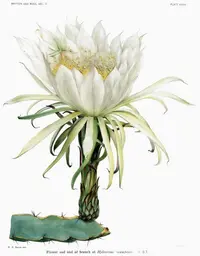
This species produces large, fragrant, funnel-shaped white flowers that open at night and typically wilt by the following morning, an adaptation linked to nocturnal pollinators such as moths and bats in its native range.

Climbing snake-like stems

It forms long, vining stems that can become several meters long and often take on a slightly zigzag, snake-like appearance, using aerial roots to cling to rocks or host trees in its natural habitats.

Ribbed, spiny structure

Its stems are distinctly ribbed, with small clusters of spines along the ribs, a structure that helps reduce water loss and offers some protection from herbivores in its dry, rocky environments.

Botan icon

Did you know?

In the wild, this cactus often grows as an epiphyte or lithophyte, anchoring itself on trees, cliffs, and rocky outcrops rather than in typical soil, which allows it to exploit vertical surfaces and limited pockets of organic matter in arid and semi-arid landscapes.

FAQs about Selenicereus ocamponis

This night-blooming cactus often needs to reach a certain stem length and age before flowering. Inadequate winter rest, low light, or no seasonal temperature drop can delay buds. Stable conditions for growing Selenicereus ocamponis usually improve flowering over time.

Grow Healthy Plants with Botan Care

Keep your plants happy and healthy with plant identification, disease detection, and easy care guidance.

Botan plant care app — identify plants on mobile

Explore More Plants