Stabilize tall stems
Install a sturdy, rust-resistant stake and loosely tie the main stem with soft ties once it exceeds 60–80 cm to prevent wind rock and stem breakage as the plant gains height and weight.

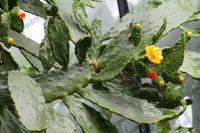
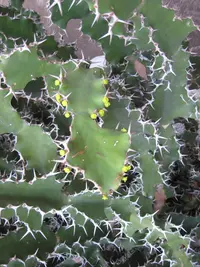
Consolea falcata is a tree-form cactus from the Caribbean, especially Puerto Rico. It develops upright, flattened pads that form a branching, sculptural silhouette over time. Mature plants can resemble a small, thorny tree rather than a low cactus. Spines are usually short but still sharp, and new pads emerge from the edges of older segments. This species is adapted to hot, dry, coastal habitats with rocky, fast-draining soils. It prefers strong light, low to moderate water, and very well-drained, gritty mixes. For anyone learning how to care for Consolea falcata, its slow growth and drought tolerance make it relatively low-maintenance if given enough light and kept out of cold, wet conditions.

Care Difficulty
Easy Care

Light Preference
Full Sun

Water Requirements
Low Water

Temperature Preference
Tropical / Frost Sensitive

Hardiness Zone
10–11

Soil Texture
Sandy, Loamy, Rocky

Soil pH
Slightly acidic (6.5–7.0), Neutral (7.0)

Soil Drainage
Well-drained

Fertilization
Minimal (feed rarely)
Scan your plant to receive care tips personalized for your specific plant
Available on iOS and Android
This cactus prefers bright, strong light similar to an exposed, sunny coastal site.
Watering should mimic an arid, rocky habitat with brief soakings and long dry intervals.
This species prefers consistently warm conditions and does not tolerate hard frost.
This arid-adapted cactus handles typical indoor humidity well and rarely needs adjustments.
Consolea falcata needs a very fast-draining, mineral-heavy substrate to prevent root and stem rot.
This species is well suited to container growing when the pot is chosen to manage weight and drainage.
This cactus is adapted to lean soils, so Consolea falcata needs only light, seasonal feeding in containers or poor ground soil.
Pruning Consolea falcata is mainly corrective, helping maintain size, safety, and structure rather than stimulating heavy branching.
This species dislikes frequent disturbance, so Consolea falcata is repotted or transplanted only when clearly constrained.
Propagation of Consolea falcata is usually done from stem pads rather than seeds for more predictable results.
Cold sensitivity means Consolea falcata needs thoughtful winter care in most climates outside frost-free zones.

Plant Health Check
Not sure what's wrong with your plant? Check your plant's health inside the app.
This species is naturally restricted to a small area of coastal limestone scrub in eastern Cuba, where it grows in very sunny, exposed sites on rocky, alkaline soils influenced by sea spray.
Instead of typical cylindrical cactus columns, it develops an upright, tree-like trunk with long, narrow, sickle-shaped cladodes (flattened stem segments) that function in both photosynthesis and water storage.
Its slender, flexible spines and thin cladodes reduce wind resistance, an adaptation that helps the plant withstand strong coastal winds and tropical storms in its native habitat.

In its native range, mature individuals can form small, open groves that act as structural keystone plants, providing perches for birds and physical shelter for less hardy shrubs in otherwise harsh, exposed coastal scrub.
In warm, open ground this species can eventually reach 3–5 m tall with a multi-branched tree-like form, and a spread of about 2–3 m. In containers, size usually stays much more restrained.
Keep your plants happy and healthy with plant identification, disease detection, and easy care guidance.