common fishhook cactus Care (Cochemiea tetrancistra)

common fishhook cactus

About common fishhook cactus

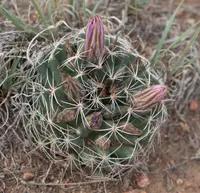
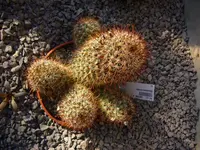
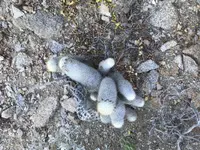
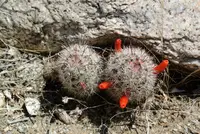
The common fishhook cactus, Cochemiea tetrancistra, is a small desert cactus known for its dense clusters of spines that curve like tiny fishhooks. It usually grows as a single stem or small clump, staying compact and close to the ground.

This species is native to arid regions of the southwestern United States, where it experiences strong sun, rocky soils, and infrequent rainfall. Its thick skin and heavy spination help reduce water loss and protect it from intense light.

These natural traits make it relatively easy to keep in cultivation if given bright light, very sharp drainage, and careful watering. Understanding how to care for common fishhook cactus mainly involves avoiding excess moisture and low light indoors.

Main Plant Requirements

Care Difficulty

Moderate Care

Light Preference

Full Sun

Water Requirements

Low Water

Temperature Preference

Warm Climate

Hardiness Zone

9–11

Soil Texture

Sandy, Rocky, Loamy

Soil pH

Slightly acidic (6.5–7.0), Neutral (7.0)

Soil Drainage

Well-drained

Fertilization

Minimal (feed rarely)

Get Personalized Care Plan

Scan your plant to receive care tips personalized for your specific plant

Available on iOS and Android

How to Care for the common fishhook cactus

This desert cactus needs strong sunlight but can be damaged by sudden, intense exposure.

  • Provide 6–8 hours of direct sun daily, ideally with bright morning sun and lighter afternoon exposure, especially in hot, arid regions.
  • Young plants and newly moved common fishhook cactus benefit from filtered light or light shade during the hottest midday hours to prevent scorch.
  • In summer, gradually increase sun to avoid bleaching; in winter, prioritize the brightest possible spot to prevent thin, etiolated growth.

This species is highly drought-tolerant and prefers infrequent, thorough watering.

  • Water only when the soil is completely dry, checking that the top 3–5 cm feel dry and the plant looks slightly less plump before watering again.
  • Use very fast-draining, gritty soil so water runs through quickly; standing water or heavy, clay-rich soil leads to root rot in Cochemiea tetrancistra.
  • In spring–summer, expect more frequent drinks after hot, dry spells; in fall–winter, reduce or stop watering, and watch for shriveling as a signal to give a light drink.

This cactus is adapted to hot, dry climates but has limited frost tolerance.

  • Best growth occurs around 70–90°F (21–32°C); short spikes up to 100°F (38°C) are tolerated if soil is dry and there is some airflow.
  • Protect from hard freezes; brief dips to about 25°F (−4°C) may be survived when soil is dry, but prolonged frost damages stems and roots.
  • In winter, keep cooler and drier at 40–55°F (4–13°C) to allow a rest period, and avoid sudden swings between warm, wet conditions and near-freezing temperatures.

This desert cactus is adapted to very dry air and rarely needs humidity adjustment indoors.

  • Aim for 20–40% humidity, similar to heated indoor air in arid or temperate homes.
  • Shriveling combined with soft, pale tissue usually reflects overwatering, not low humidity, in common fishhook cactus.
  • Increase humidity only slightly, if ever needed, by placing the pot near other plants rather than using trays or misting.

This species needs a very fast-draining, mineral-heavy substrate that mimics rocky desert soil.

  • Use a gritty mix such as 60–70% inorganic material (pumice, coarse sand, fine gravel, perlite) with 30–40% cactus potting mix.
  • Keep structure open and airy; particles should be mostly coarse so water runs through within seconds and the mix dries in 1–3 days.
  • Aim for slightly acidic to neutral pH around 6.0–7.2, which typical commercial cactus mixes usually provide.
  • Avoid dense compost, clay-loam, or peat-heavy blends that stay wet, as these quickly cause root rot in Cochemiea tetrancistra.

This species is well suited to container growing when drainage and stability are managed carefully.

  • Choose a pot just 2–4 cm wider than the root mass so the mix dries evenly and does not hold excess moisture.
  • Select unglazed terracotta if extra evaporation is needed in humid or cool climates to prevent prolonged wetness.
  • Use a wider, low-profile container or add a top layer of gravel to stabilize the plant against tipping as stems elongate.

This desert cactus needs only light feeding, mainly to support container growth during the warm active season.

  • Use a diluted liquid cactus fertilizer or balanced NPK (such as 5-5-5) at 1/4–1/2 strength in spring and early summer.
  • Feed every 4–6 weeks during active growth if plants are in pots; in-ground plants usually need no fertilizer.
  • Stop feeding in late summer so growth hardens before winter and the plant enters dormancy.
  • Avoid organic compost or rich slow-release products that hold moisture around roots and can cause rot when caring for common fishhook cactus.

Cochemiea tetrancistra needs minimal pruning, mainly to keep the plant clean and reduce disease risk.

  • Carry out any pruning in late spring or early summer, when conditions are warm and dry.
  • Remove only dead, damaged, or rotting stems using sharp, disinfected scissors or pruning snips.
  • Cut close to the base without injuring healthy tissue to maintain the plant’s natural clumping form.
  • Discard diseased material in household trash and allow any small wounds to dry in airy, bright conditions.

This cactus grows slowly and prefers infrequent disturbance, so repotting or transplanting is only needed occasionally.

  • Check for roots circling the pot drainage holes, slow growth in good light, or soil that dries almost instantly as signs it needs more space.
  • Plan repotting for late spring, using a pot only 1–2 in wider with a very fast-draining cactus mix.
  • Gently loosen the root ball, remove old loose soil, and trim dead roots with sterile scissors before replanting.
  • Set the plant slightly higher than before, backfill lightly, keep soil barely dry for 5–7 days, then resume normal watering.

This species is most reliably propagated from seed, which matches its natural regeneration in arid habitats.

  • Sow fresh seed in late spring to early summer in a sterile, gritty cactus mix with excellent drainage.
  • Press seeds onto the surface and barely cover with fine sand or grit for stability and airflow.
  • Provide bright, indirect light, 70–80°F warmth, and lightly moist (not wet) conditions until germination.
  • Once seedlings develop several spines and a firm base, gradually increase light and let the surface dry more between waterings.

This desert cactus is best kept cool and very dry in winter to reduce rot risk and support a proper rest period.

  • Keep temperatures around 40–50°F if possible; brief light frost may be tolerated if soil is completely dry.
  • Move containers indoors or under a cold frame in regions with prolonged freezing or wet winters.
  • Withhold almost all water in winter, only giving a light drink if stems begin to shrivel significantly.
  • Ensure excellent air circulation and no standing moisture around the base or root zone during cold periods.

Care Tips

Rock mulch ring

Create a 5–10 cm wide ring of coarse gravel or small rocks around the base to keep the stem dry, prevent soil splash on the areoles, and reduce rot risk during sudden heavy rain or accidental overwatering.

Controlled clump spacing

When offsets appear, remove and replant them at least 5–8 cm apart so each stem receives good airflow and light on all sides, which reduces fungal problems and encourages stronger spine development.

Rain protection setup

If grown outdoors in a wet climate, place the pot under a simple clear rain shield or shallow overhang that blocks direct rainfall but still allows strong light, especially during long winter wet spells.

Inert top-dressing use

Apply a 1–2 cm layer of inert mineral top-dressing such as pumice, lava rock, or coarse grit to stabilize the plant, keep the neck of the stem dry, and discourage fungus gnat larvae that thrive in exposed organic soil.

Seasonal handling care

Use folded newspaper, thick tongs, or foam-wrapped chopsticks to grip the cactus when repotting or dividing, which protects both your hands and the fragile spine clusters that are important for identification and overall Cochemiea tetrancistra care.

Common Pests and Diseases

Spider mites

This pest thrives on dry, dusty cactus surfaces and feeds by piercing the skin, causing pale stippling and a dull, rough look to the stems. Symptoms include very fine webbing in crevices and slowed growth.

Solution

Rinse the cactus thoroughly with a strong but controlled stream of water, focusing on areoles and ribs, then allow it to dry in a bright, airy spot. For persistent infestations, apply a neem-oil or insecticidal-soap spray labeled for cacti, repeating every 7–10 days while also reducing dust and improving air movement.

Mealybugs

These insects hide in woolly areoles and between stem segments, appearing as white cottony clumps and excreting sticky honeydew that can encourage sooty mold. This pest weakens the plant over time and can deform new growth.

Solution

Dab visible insects with cotton swabs dipped in 70% isopropyl alcohol, then inspect regularly for several weeks and repeat spot treatments as needed. In heavier infestations, use an insecticidal-soap or neem-oil spray, treating all plant surfaces and isolating the cactus from others until no new mealybugs appear.

Scale insects

These insects attach as hard, dome-shaped bumps along ribs and at the base of spines, often matching the stem color so they are easy to overlook. This pest removes sap, leading to yellowing patches, shriveling, and poor growth.

Solution

Gently pry off individual scales with a fingernail or soft brush and wipe the affected areas with 70% isopropyl alcohol. For larger populations, apply a systemic insecticide formulated for succulents or repeat neem-oil treatments, while checking crevices and pot rims where crawlers may hide.

Fungal stem spots

This disease appears as small, sunken, corky or dark spots on the stem, sometimes starting where minor mechanical injuries or hail damage occurred. Symptoms include localized discoloration that can slowly expand in overly humid or poorly ventilated conditions.

Solution

Remove and discard severely affected segments or carefully cut out small lesions with a sterile blade, allowing the wound to dry and callus in a bright, dry place. Improve airflow, avoid overhead watering, and only water when the soil is completely dry; in persistent cases, use a copper-based fungicide labeled for cacti on the surrounding healthy tissue.

Bacterial stem rot

This disease often starts at a wound or overly wet area, causing soft, water-soaked, discolored tissue that may ooze and develop a foul odor. Symptoms include rapid collapse of sections of the stem, especially after sustained moisture or damage to the skin.

Solution

Immediately cut away all affected soft tissue well into firm, healthy flesh with a sterile knife and dispose of the rotted parts, then let the cut surface dry and form a callus in a dry, bright, warm location. Reduce watering drastically, ensure the soil drains very quickly, and avoid water sitting on the stem; if rot reaches the base and cannot be removed, take healthy cuttings above the damage and re-root them in fresh, sterile cactus mix to grow Cochemiea tetrancistra successfully again.

Interesting Facts

Hooked spine function

This desert cactus develops rigid, fishhook-shaped central spines that help anchor fallen debris and shade the stem surface, slightly reducing water loss in its harsh native habitat.

Sand dune specialist

It often grows on loose, gravelly or sandy slopes and dunes in the Mojave and Sonoran Desert region, where its tuberous roots help secure it in shifting substrates and access deeper moisture.

Fruit dispersal strategy

Its small, reddish to purplish fruits contain many seeds that are eaten and dispersed by birds and small mammals, linking this species to local desert food webs.

Botan icon

Did you know?

This species frequently grows alongside ancient Indigenous travel routes in the Mojave Desert region, and its distinctive hooked spines and bright fruits made it one of the easily recognized small cacti noted by early botanical collectors in the American Southwest.

FAQs about common fishhook cactus

Lack of flowers usually comes from insufficient light, no cool dry winter rest, or a plant that is still immature. Strong sun, a slight winter temperature drop, and avoiding high-nitrogen fertilizer help trigger blooming.

Grow Healthy Plants with Botan Care

Keep your plants happy and healthy with plant identification, disease detection, and easy care guidance.


Botan plant care app — identify plants on mobile

Explore More Plants