




Dragonfruit (Selenicereus undatus) Light Needs

dragon fruit grows best in full sun, with long bright exposure and several hours of direct sunlight daily.

Light Preference

Full Sun

Selenicereus undatus Light Requirements

In cultivation and naturalized settings, this climbing cactus grows in open, warm habitats where its stems receive strong sun, especially once established. Young stems may start with some shelter, but mature growth is built for high light and seasonal heat rather than shade.

These conditions explain why container-grown plants need the brightest available site in active growth. Preferred light is full sun.

  • Ideal exposure:

    Ideal exposure: dragon fruit needs about 6–8 hours of strong light daily, ideally full sun with 6 hours or more of direct sun.

  • Full sun tolerance:

    Established stems tolerate full sun well when introduced gradually, especially with good airflow and warm conditions.

  • Partial sun:

    Part sun can maintain growth, but flowering and fruiting are usually weaker if direct sun drops below about 4–5 hours.

  • Harsh transitions:

    Sudden exposure to hot afternoon sun can scorch shaded or indoor-grown stems before they harden off.

Excess light usually shows after a sudden move into stronger sun.

Bleached patches:

Sun-exposed stem ribs may develop pale yellow, white, or tan areas on the side facing the strongest rays.

Dry scars:

Damaged spots can turn corky and fixed in place, rather than spreading evenly over the stem.

Red stress color:

A reddish or purplish tint can appear after intense sun, especially on growth that was previously shaded.

Shriveled tips:

New tips may look dull or slightly collapsed when heat and direct afternoon sun are too intense.

Move the plant into bright shade, then return it to stronger sun in stages over 1–2 weeks. Keep the most intense afternoon exposure filtered during the transition.

Weak light causes soft, stretched growth before more obvious decline appears.

  • Thin new stems:

    New growth may become narrow, floppy, or weak instead of forming firm, three-angled stems.

  • Long gaps:

    Sections can stretch between ridges and nodes, giving the vine a leggy look.

  • Leaning growth:

    Stems may bend strongly toward the brightest side, especially indoors or near shaded glass.

  • Few flowers:

    Mature plants may grow stems but fail to set buds when direct sun is too limited.

Move it to a brighter site with more direct sun, increasing exposure gradually. If indoors, weak window light is often not enough for strong flowering.

When full sun is not available, choose the brightest warm site and give at least several hours of direct morning or midday sun. Accept that low light is suitable for short-term holding, not strong growth or flowering.

Increase exposure in steps after indoor storage, shade-grown conditions, or shipping. Rotate the container every 1–2 weeks so all sides receive strong light and the climbing stems do not lean one way.

Get Personalized Care Plan

Scan your plant to receive care tips personalized for your specific plant

FAQ

Dragon fruit light requirements are highest in full sun. This plant does best with about 6–8 hours of strong daily light, including several hours of direct sun.

Everything About Dragonfruit

More Plant Light Guides

Get the Botan App

Discover how to care for your plants with Botan.

Botan app identifying a plant with a phone camera
Best Bedroom Plants – Top 10 to Grow in Your Space

8 min read · 8 Jul 2026

Best Bedroom Plants – Top 10 to Grow in Your Space

Discover the top 10 houseplants that are suitable for growing in your bedroom. Compare their light and water needs, pet safety, and benefits. Find out where best to place greenery in your relaxation space and what species to avoid.

Plant Recommendations
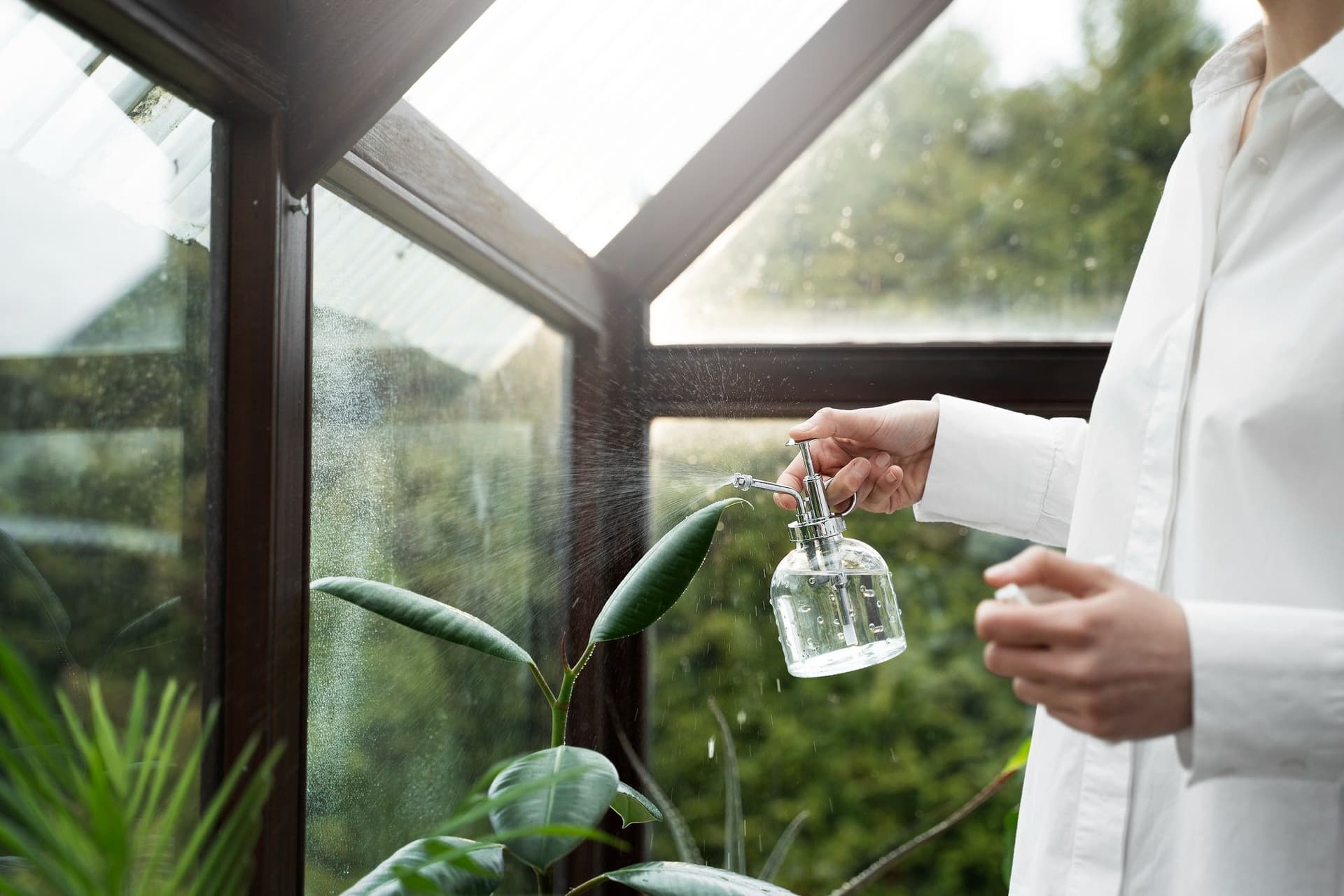
Best Bedroom Plants – Top 10 to Grow in Your Space
How to Increase Humidity for Plants – 8 Simple Ways That Work

8 min read · 14 Aug 2026

How to Increase Humidity for Plants – 8 Simple Ways That Work

Dry indoor air stresses a lot of houseplants. You usually notice it first in the browning leaf tips. This guide describes 8 simple ways to raise the moisture around your plants, from humidifiers to pebble trays.

Plant Care
How to Increase Humidity for Plants – 8 Simple Ways That Work
What Plants Don't Like Epsom Salt?

11 min read · 29 Jul 2026

What Plants Don't Like Epsom Salt?

Learn which plants can be seriously damaged by Epsom salt and which will thrive on it. We’ll explain when and how to use it properly, provide tips for indoor & outdoor plants — read on and enjoy a healthy garden.

Plant Care
What Plants Don't Like Epsom Salt?