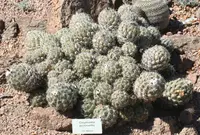



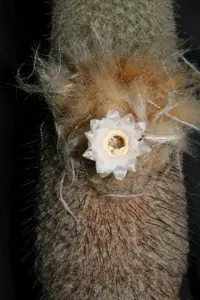
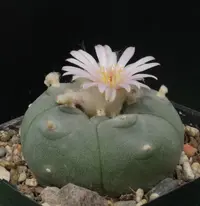

Best Soil for Cactus (Coryphantha pycnacantha)

A gritty, fast-draining mix with a slightly acidic to neutral pH helps Coryphantha pycnacantha keep roots healthy and well aerated.

Soil Texture

Sandy, Rocky, Loamy

Soil pH

Slightly acidic (6.5–7.0), Neutral (7.0)

Soil Drainage

Well-drained

Coryphantha pycnacantha Soil Guide

In its native range in central Mexico, Coryphantha pycnacantha grows in dry, open ground with sandy, rocky, or loamy mineral soil. Those conditions explain why the best soil for Cactus is loose, gritty, and fast-draining rather than rich or moisture-holding.

A shallow cactus root system needs air around the roots and quick drying after rain. Soil that drains well but still has some fine particles helps anchor the plant, while a slightly acidic to neutral reaction suits steady root function without excess organic heaviness.

A homemade mix gives more control over texture and drainage for Coryphantha pycnacantha. The goal is a blend that stays airy without turning dusty or unstable.

100% total mix = 20 scoops
10%
screened compost or fine bark2 scoops
20%
coarse sand or small grit4 scoops
30%
pumice or perlite6 scoops
40%
coarse cactus potting soil8 scoops

The finished mix should feel crumbly and open, with particles that separate easily and let excess moisture move through fast.

A slightly acidic to neutral range, about 6.5–7.0, suits Coryphantha pycnacantha well. In that range, key nutrients stay more available to the roots without pushing the mix too far toward acidity or alkalinity.

This species can usually handle a narrow shift around neutral, but staying close to that range supports steadier nutrient uptake over time. Strong swings can make some nutrients harder for the plant to use.

Most root-zone trouble comes from how the mix behaves over time, not from one small mistake. Cactus is especially sensitive to stale, compacted conditions around its roots.

Compacted mix:

Compacted mix: If the surface hardens and moisture stops moving evenly, gently loosen the top layer and check whether the substrate has broken down.

Staying wet too long:

Staying wet too long: A potting medium that remains cool and damp for many days may be holding too much moisture, so improve airflow and review the container setup.

Hydrophobic soil:

Hydrophobic soil: If the mix has become so dry that water runs off instead of soaking in, rewet it gradually in small passes until it accepts moisture again.

Salt buildup:

Salt buildup: A pale crust on the surface can point to mineral residue, so scrape off the top layer and replace it with fresh material.

Find the Right Soil

Botan helps match this plant to a more suitable substrate so soil choices are based on its growth habits, not guesswork.

FAQ

Yes. Drainage holes let excess water leave the container instead of collecting around the roots. That matters even with a gritty Cactus soil mix, because no substrate can compensate for trapped water indefinitely.

Everything About Cactus

More Plant Soil Guides

Scan for Soil Problems

Botan can help check whether a visible issue may be linked to the root zone using photo-based assessment and care guidance.

Botan app helping with soil and plant care
How to Group Plants in Landscaping: A Practical Layout Guide

8 min read · 31 Aug 2026

How to Group Plants in Landscaping: A Practical Layout Guide

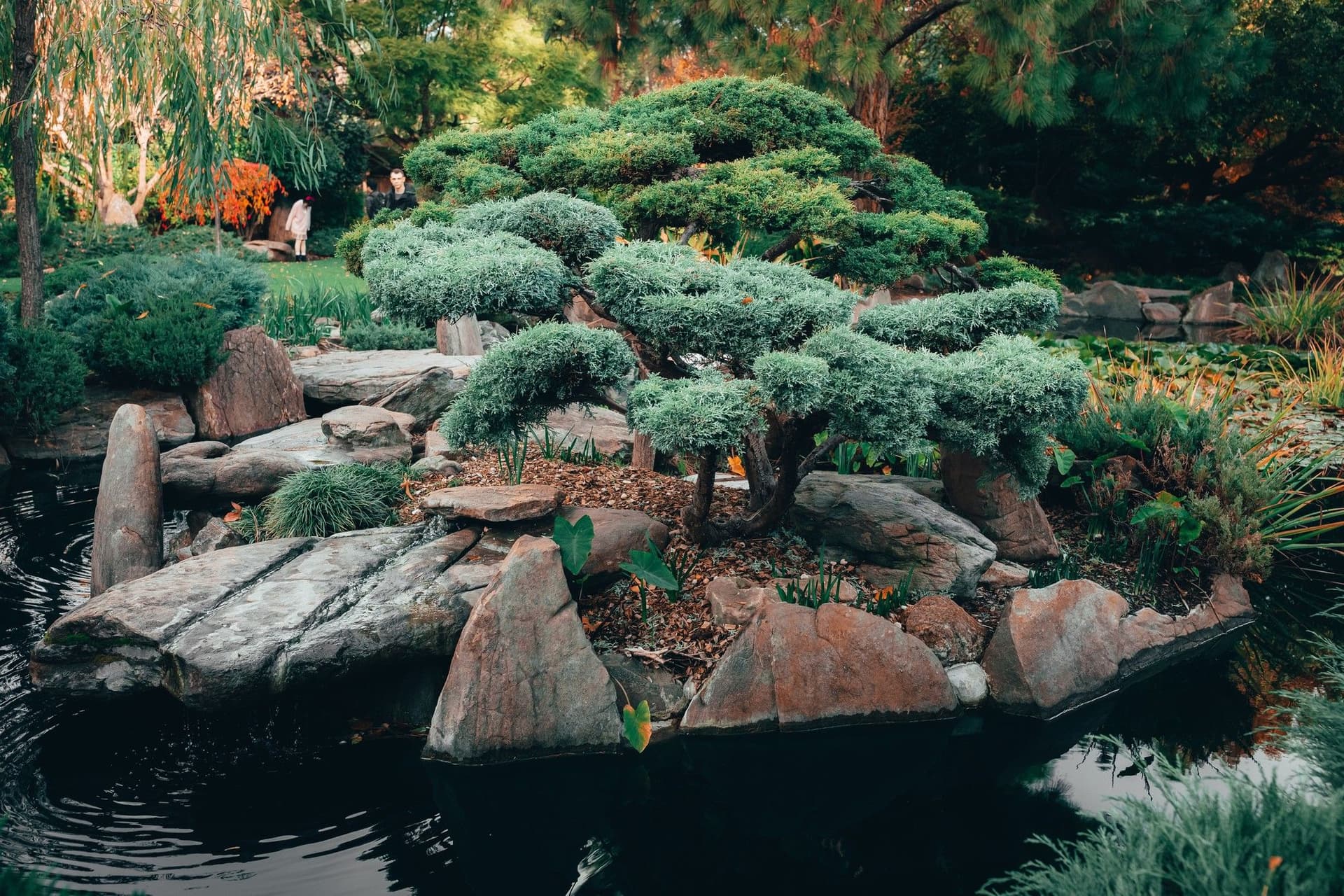
Good plant grouping can mean the difference between a well-planned garden and one that looks sloppy. This guide explores layers, spacing, cluster shapes, and the plants that thrive when you group them.

Plant Care
How to Group Plants in Landscaping: A Practical Layout Guide
How to Plant Pumpkin Seeds for a Fall Harvest and Grow Your Own Patch

7 min read · 4 Nov 2026

How to Plant Pumpkin Seeds for a Fall Harvest and Grow Your Own Patch

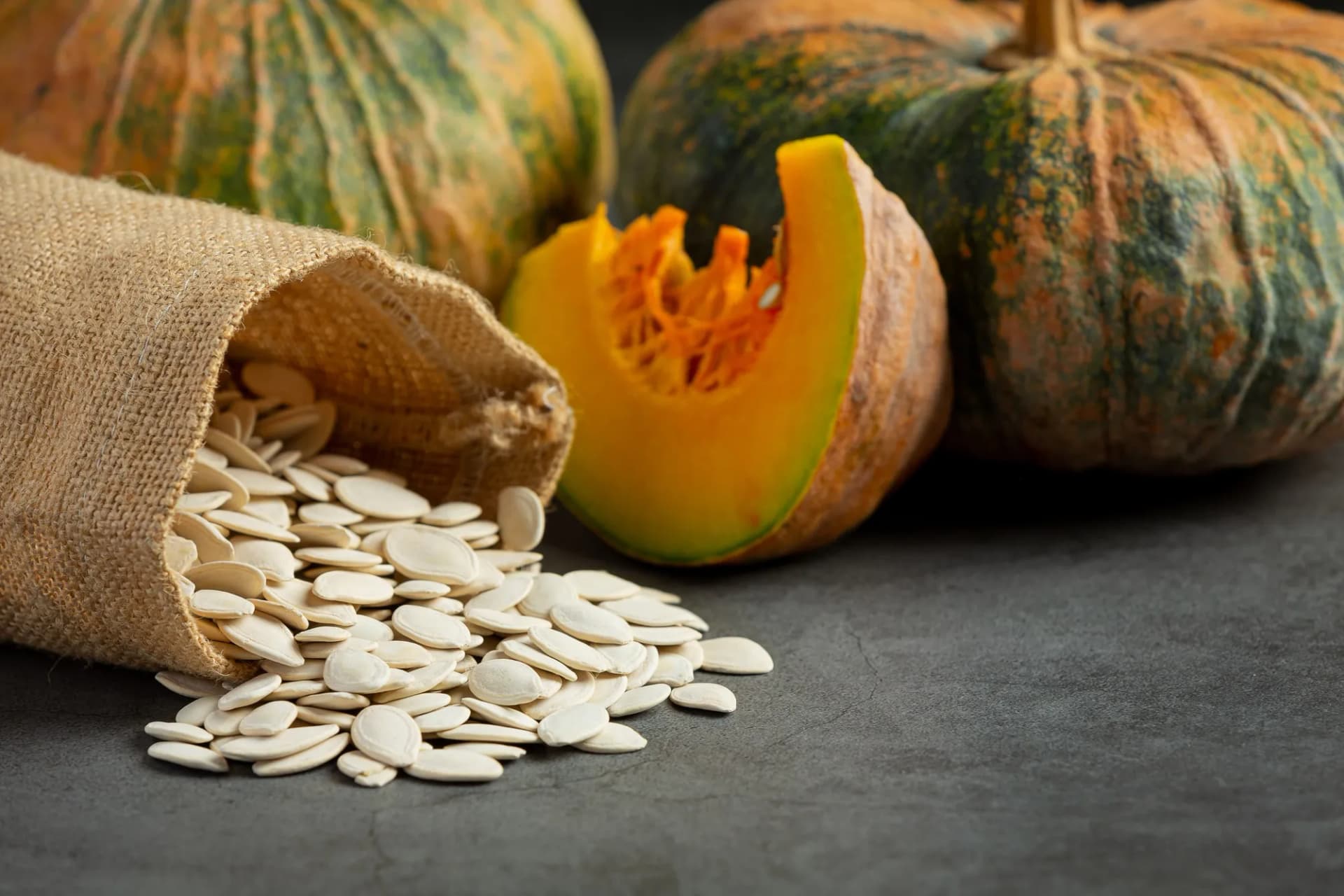
A backyard pumpkin patch starts months before the first leaves turn: the harvest that ends up on the porch in October is decided by what a gardener does in late spring.

Beginner Guides
How to Plant Pumpkin Seeds for a Fall Harvest and Grow Your Own Patch
12 Best Cold-Hardy Vegetables for Cold Weather

7 min read · 13 Oct 2026

12 Best Cold-Hardy Vegetables for Cold Weather

Cold-hardy vegetables can keep a garden productive through chilly fall, winter, and early spring weather. This guide covers 12 reliable crops, their frost tolerance, and practical growing tips for better cold-season harvests.

Plant Recommendations
12 Best Cold-Hardy Vegetables for Cold Weather