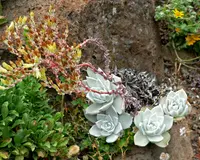
sealettuce Care (Dudleya caespitosa)

Also known as: Coast Dudleya, Sand Lettuce
sealettuce

About sealettuce

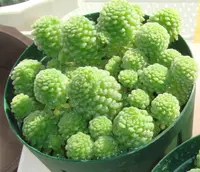
Sealettuce, Dudleya caespitosa, is a rosette-forming succulent native to rocky coastal bluffs and cliffs along the California and Baja California coasts. It usually grows in tight clusters of fleshy, spoon-shaped leaves that range from green to bluish, sometimes with a powdery coating.

This species stays relatively compact and produces tall flower stalks with small yellow blooms that attract pollinators. It is adapted to harsh, dry, windy conditions and is sensitive to excess summer water, which makes how to care for sealettuce different from many common houseplants.

In cultivation, it prefers bright light, excellent drainage, and infrequent watering, making it best suited to experienced succulent growers or very careful beginners.

Main Plant Requirements

Care Difficulty

Hard Care

Light Preference

Full Sun

Water Requirements

Low Water

Temperature Preference

Warm Climate

Hardiness Zone

8–10

Soil Texture

Sandy, Rocky, Loamy

Soil pH

Slightly acidic (6.5–7.0), Neutral (7.0)

Soil Drainage

Well-drained

Fertilization

Minimal (feed rarely)

Get Personalized Care Plan

Scan your plant to receive care tips personalized for your specific plant

Available on iOS and Android

How to Care for the sealettuce

Dudleya caespitosa thrives in strong sun that mimics its coastal cliff habitat.

  • Provide 6–8 hours of direct sun, ideally cool morning sun plus bright light the rest of the day, especially in coastal areas.
  • In hotter inland sites, give 4–6 hours of direct morning sun with light afternoon shade to prevent leaf scorching and bleaching.
  • In winter, allow as much sun as possible; in summer dormancy, protect sealettuce from intense late-afternoon sun while keeping it bright.

This species prefers infrequent, careful watering that allows the roots to dry between soakings.

  • Water only when the top 3–5 cm of soil are completely dry, then soak thoroughly so excess drains away.
  • Reduce or stop watering in summer dormancy; resume light, infrequent watering in cool, active growth periods if leaves just begin to wrinkle.
  • Watch for mushy, translucent leaves and a sour smell as signs of overwatering, and crisp, folding leaves as early underwatering cues in Dudleya caespitosa.

This coastal succulent prefers mild conditions and is sensitive to both hard frost and extreme heat.

  • Aim for 55–75°F (13–24°C) during active growth, which supports steady photosynthesis and firm rosettes.
  • Tolerates brief dips to about 25–30°F (-4 to -1°C) if soil is dry, but repeated freezes or wet cold greatly increase rot risk.
  • In heat above 90°F (32°C), provide afternoon shade and strong airflow, and avoid watering during hot evenings to limit stress.

Humidity plays almost no role in Dudleya caespitosa health compared with light and watering.

This coastal succulent needs very fast-draining, mineral-heavy soil to prevent root rot.

  • Use a gritty mix of roughly 50–70% inorganic material such as pumice, coarse sand, or small gravel, with only 30–50% cactus potting mix.
  • Ensure the mix feels loose and crumbly, never sticky; compact or clay-heavy soils retain too much water around the roots.
  • Aim for slightly acidic to neutral pH (6.0–7.0), avoiding high-lime mixes unless mimicking its native rocky habitat.
  • For Dudleya caespitosa, avoid peat-heavy or high-organic blends that hold moisture for longer than 1–2 days after watering.

This species is suitable for container growing when the pot is set up to dry quickly after watering.

  • Choose a wide, shallow pot to match its fibrous, surface-skimming roots and reduce the risk of trapped water in deep soil columns.
  • Use unglazed terracotta rather than plastic if outdoor conditions are mild, as it increases evaporation and keeps the mix from staying wet.
  • Elevate the container on pot feet or bricks outdoors so drainage holes stay clear and runoff does not pool under the pot, which can rot roots.

This coastal succulent is adapted to lean soils, so Dudleya caespitosa needs only minimal fertilization in cultivation.

  • Apply a very dilute balanced liquid fertilizer (around 1/4 strength, low-nitrogen NPK) once in early to mid spring if growth seems weak.
  • Use gritty, well-drained soil instead of nutrient-heavy compost to avoid root rot and lush, floppy growth.
  • Do not feed during summer dormancy or in winter; excess nutrients shorten lifespan and reduce stress tolerance.

Dudleya caespitosa needs only light pruning to keep rosettes clean and reduce disease risk.

  • Best time is late winter to early spring, just before or as new growth starts.
  • Remove dead, dried, or blackened leaves at the base with clean scissors or by gently twisting them off.
  • Cut spent flower stalks at the base once seeds have dispersed, keeping the clump compact.
  • Avoid cutting into healthy rosettes, as this slows recovery and can invite rot.

This species dislikes disturbance, so repotting or transplanting should be infrequent and very gentle.

  • Consider moving a plant only when roots circle the pot, drainage fails, or growth stalls despite good light.
  • Time any transplant for late winter to early spring, before strong new root growth begins.
  • Repot every 3–5 years at most, using a shallow container with fast-draining, mineral-rich mix.
  • Minimize root stress by keeping the root ball mostly intact, handling by the root mass, and withholding water for 2–3 days after moving.

Propagation of Dudleya caespitosa is possible but should be done thoughtfully, ideally from legally obtained cultivated plants.

  • Division of offsets in late winter to early spring is the most practical method for home growers.
  • Gently separate small rosettes with attached roots, then replant into a gritty, sharply draining mix.
  • Keep new divisions in bright, indirect light and water lightly once the cut areas have dried for several days.
  • Seed propagation needs cool, bright conditions and very well-drained soil, with careful moisture to prevent damping-off.

In mild, dry-winter climates, Dudleya caespitosa usually needs only basic winter care.

  • Hardy to light frost, but prolonged freezes below about 25°F can damage rosettes, especially in wet soil.
  • Keep soil on the dry side; excess winter moisture greatly increases rot risk.
  • For containers in colder regions, move pots under a bright, frost-free shelter such as an unheated greenhouse or cold frame.

Care Tips

Summer dry rest

If you grow this species in a region with summer irrigation, move pots under deep eaves or a cold frame in late spring so the plant can stay mostly dry and semi-dormant through summer, which greatly reduces rot risk.


Rock crevice planting

Outdoors, tuck plants into narrow, well-drained rock crevices or the top edge of a stacked stone wall so water runs off quickly and the crown stays elevated above any pooling moisture.

Root crown protection

When repotting, plant the rosette slightly above the soil line and add a thin collar of coarse gravel around the neck so water cannot sit against the base of the leaves.

Minimal disturbance

Avoid frequent handling or repositioning; once established, keep the plant oriented the same way to the sun and disturb the roots as little as possible, since repeated stress shortens the lifespan of clumping rosettes.

Seedling summer management

For seedlings or young plants, allow slightly more moisture in late spring, then gradually reduce watering ahead of hot weather so they harden off before their first true dry summer, which supports long-term success when growing sealettuce.

Common Pests and Diseases

Mealybugs

This pest feeds on leaf bases and rosettes, sucking sap and weakening the plant, especially in container-grown or nursery stock. Symptoms include cottony white clusters in tight crevices and distorted new growth.

Solution

Isolate the plant, then use a cotton swab dipped in 70% isopropyl alcohol to dab visible insects and wash affected rosettes with a firm stream of water, keeping the crown dry afterward. Improve air movement, reduce excess fertilizer, and repeat spot treatments weekly until no new mealybugs appear, which is essential for effective Dudleya caespitosa plant care in pots or small collections.

Aphids

These insects cluster on tender flower stalks and young leaves, feeding on sap and causing curling, yellowing, and sticky honeydew deposits. Ants often appear alongside them, protecting the colonies.

Solution

Rinse aphids off with a firm but controlled spray of water, focusing on flower stalks and undersides of leaves. If needed, follow up with a light application of insecticidal soap early in the day and discourage ants by removing food sources and using barriers around pots or benches.

Soft scale

This pest appears as small, dome-shaped bumps on stems or leaf bases, where it feeds continuously on sap. Symptoms include sticky honeydew, sooty mold growth, and gradual decline in vigor.

Solution

Gently scrape or wipe off individual scales with a fingernail or soft brush, then wash the plant with a mild insecticidal soap solution, avoiding prolonged wetness in the rosette center. Monitor closely and repeat cleaning as new crawlers (young scale) emerge, and keep the plant in bright, airy conditions to reduce reinfestation.

Leaf spot

This disease causes small tan, brown, or dark purple spots on leaves, sometimes with a faint halo, and can start on lower leaves exposed to overhead watering or prolonged moisture. Symptoms include premature leaf shriveling or scarring that ruins the rosette appearance.

Solution

Remove and discard affected leaves, then shift to watering at the soil level, keeping foliage and rosette centers dry. Provide strong light, good airflow, and avoid crowding plants; if the problem persists, a light application of a copper-based fungicide can be used sparingly, following label directions for succulents.

Crown rot

This disease starts in the central rosette or at the stem base when water sits in the crown or soil stays wet for long periods. Symptoms include a mushy, discolored center, leaf drop from the base, and a sour or musty odor.

Solution

At the first signs, stop watering and move the plant to a warm, very bright, airy spot to dry out, then carefully remove all soft, rotten tissue with a sterile blade. If some healthy rosettes remain, take firm offsets or leaf cuttings from unaffected tissue and re-root them in a fast-draining mineral mix, keeping water away from the crown.

Interesting Facts

Coastal fog specialist

This species naturally grows on rocky coastal bluffs and sea cliffs from central to southern California, where it relies heavily on cool marine fog to offset the long summer dry season.

Summer dormancy strategy

In habitat it often enters a partial summer dormancy, with older leaves shriveling and the rosette tightening to reduce water loss during the hottest, driest months.

Clonal mound growth

Over time one rosette can produce many offsets, forming dense, dome-like mounds that help stabilize thin coastal soils and create microhabitats for small invertebrates.

Botan icon

Did you know?

Wild populations of this species are under pressure from illegal poaching for the succulent trade, enough that authorities in California have carried out high-profile plant repatriation efforts and public education campaigns to discourage collecting from the wild.

FAQs about sealettuce

This species flowers best when exposed to strong light, cool nights, and a short dry rest in late winter. Excess fertilizer, frequent watering, or deep shade often delays or prevents bud formation and reduces flower stalk development.

Grow Healthy Plants with Botan Care

Keep your plants happy and healthy with plant identification, disease detection, and easy care guidance.


Botan plant care app — identify plants on mobile

Explore More Plants