Coryphantha clavata Care

Coryphantha clavata

About Coryphantha clavata

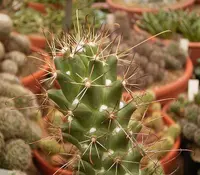
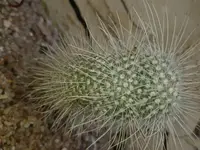
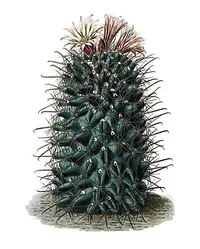
Coryphantha clavata is a small, clumping cactus with rounded stems covered in neat, club-shaped tubercles and short, pale spines. It often forms compact clusters over time, giving a tidy, architectural look in pots or rock gardens.

This species is native to arid regions of northeastern Mexico, where it grows in rocky, well-drained soils under strong sun. Its summer flowers are typically yellow and appear near the stem tips, adding brief seasonal color.

The plant grows slowly but is long-lived when given bright light, low to moderate water, and gritty, fast-draining soil. These traits make it relatively straightforward to care for Coryphantha clavata for growers familiar with basic cactus needs.

Main Plant Requirements

Care Difficulty

Moderate Care

Light Preference

Full Sun

Water Requirements

Low Water

Temperature Preference

Tropical / Frost Sensitive

Hardiness Zone

10–11

Soil Texture

Sandy, Rocky, Loamy

Soil pH

Slightly acidic (6.5–7.0), Neutral (7.0)

Soil Drainage

Well-drained

Fertilization

Minimal (feed rarely)

Get Personalized Care Plan

Scan your plant to receive care tips personalized for your specific plant

Available on iOS and Android

How to Care for the Coryphantha clavata

This small desert cactus prefers bright, intense light similar to its native habitat.

  • Provide 6–8 hours of direct sun daily, ideally strong morning to early afternoon sun, with light afternoon shade in very hot regions to prevent scorching ribs.
  • In climates with extremely intense summer sun, use 30–40% shade cloth or plant near rocks that cast light, shifting shade during peak midday hours.
  • Indoors, place Coryphantha clavata at a south-facing window with no obstructions; pale, elongated growth signals insufficient light and needs a brighter spot.

This species is drought-adapted and must dry well between waterings to avoid root damage.

  • During active growth in spring–summer, water only when the top 3–5 cm of soil are completely dry, then soak thoroughly and let all excess drain away.
  • Use a fast-draining, gritty mix; standing water or a pot without drainage quickly leads to soft, yellowing tissue and possible rot at the base.
  • In autumn–winter, keep almost dry, watering lightly only if the body noticeably shrivels, as Coryphantha clavata rests and uses far less moisture.

This cactus thrives in warm, dry conditions with a distinct cool, dry rest in winter.

  • Aim for 70–90°F (21–32°C) during the growing season, with excellent airflow to prevent heat buildup around the plant body and roots.
  • Protect from anything below 40°F (4°C); brief dips to 35°F (2°C) are survivable only if the soil is completely dry and frost does not form on the plant.
  • In winter, a cool, dry rest at 45–55°F (7–13°C) supports compact growth, while sustained heat above 100°F (38°C) requires light shade and very dry soil to avoid stress.

This cactus tolerates a wide humidity range but grows best in dry air.

  • Aim for 20–40% humidity, similar to typical heated indoor air in arid regions.
  • Dry air is well tolerated; avoid prolonged humidity above 60% to reduce rot risk.
  • Signs of excess humidity include pale, soft tissue at the base and lingering surface dampness.
  • Increase humidity only slightly in very dry homes by placing the pot near, not on, a pebble tray so the soil stays dry.

Coryphantha clavata needs very fast-draining, mineral-based soil to prevent root rot.

  • Use a gritty cactus mix: about 50–70% mineral materials such as pumice, coarse sand, and small gravel, with 30–50% cactus potting substrate.
  • Aim for slightly acidic to neutral pH around 6.0–7.0, avoiding strongly acidic or alkaline mixes that can restrict nutrient uptake.
  • Improve aeration by using large, irregular particles (3–8 mm) and avoiding fine composts or peat-heavy blends that compact when wet.
  • Do not add water-retentive materials like vermiculite or regular garden soil, which slow drainage and keep the root zone wet too long.

This species is very suitable for container growing, especially in climates with cold or wet winters.

  • Choose a pot only 2–4 cm wider than the plant body so the mix dries evenly and does not stay wet around empty root space.
  • Select unglazed terracotta to speed evaporation from the sides, which helps keep the mineral mix dry enough between waterings.
  • Elevate the pot slightly on feet or mesh so water drains freely from the holes and does not wick back from a wet saucer or tray.

This desert cactus needs only light feeding, with emphasis on avoiding excess nutrients and salts for healthy growth.

  • Use a low-dose, balanced cactus fertilizer (around 5-5-5) or diluted balanced liquid at 1/4 strength.
  • Feed Coryphantha clavata once every 4–6 weeks in spring–summer when actively growing.
  • Do not apply compost or rich organic fertilizers that hold excess moisture around the roots.
  • Stop feeding in fall and winter to match dormancy and reduce risk of soft, weak tissue.

This cactus needs almost no structural pruning, since its compact form is naturally maintained.

  • Limit pruning of Coryphantha clavata to removing dead, shriveled, or diseased tissue only.
  • Carry out any cleaning in late spring or early summer when growth is active and wounds dry faster.
  • Use sterile, sharp scissors or a small knife to make clean cuts without crushing tissue.
  • Avoid shaping cuts, since they can scar the stem and do not improve flowering or growth.

This slow-growing cactus experiences stress if disturbed too often, so repotting is infrequent and should be done gently.

  • Repot Coryphantha clavata only when roots circle the pot, emerge from drainage holes, or growth stalls despite good care.
  • Plan repotting for late spring, giving the plant a full warm season to re-establish in fresh, gritty cactus mix.
  • Move to a pot only 1–2 in wider, using a fast-draining mineral-rich substrate to limit water retention.
  • Keep roots dry for 5–7 days after repotting, then water lightly to reduce rot risk and help recovery.

This species is most often propagated from seed, which demands warmth and careful moisture control.

  • Sow fresh Coryphantha clavata seed in late spring or early summer for best germination.
  • Use a sterile, very well-drained mix, barely cover seed, and maintain 70–80°F with bright, indirect light.
  • Keep the surface slightly moist with misting or bottom-watering under a clear cover for humidity.
  • Remove cover gradually once seedlings appear, then reduce watering to typical cactus levels as they harden.

This cactus is not very frost tolerant and benefits from a cool, dry rest in winter, especially in colder regions.

  • Keep Coryphantha clavata above 35–40°F; light brief frosts may scar tissue or kill roots if soil is wet.
  • For container plants, move indoors to a bright, cool windowsill or unheated room with plenty of light.
  • Water very sparingly, just enough to prevent severe shriveling, and do not fertilize during winter dormancy.
  • If grown outdoors in mild climates, ensure excellent drainage and use a gravel mulch to keep the crown dry.

Care Tips

Rain protection

If heavy rain is forecast, move container plants under a roof edge or place a clear cover over outdoor specimens so the body stays dry while light and air still reach the plant, which helps prevent root and crown rot in this species.

Top-dressing grit

After potting, add a 0.5–1 in layer of coarse mineral grit or small lava rock on the soil surface to keep the stem base dry, reduce algae and moss, and encourage new roots to form lower on the plant body.

Careful offset removal

When removing offsets, let the cut surfaces of both mother plant and pup dry for 7–10 days in bright, dry air before placing the pup on barely moist substrate, which greatly reduces the risk of fungal infection and speeds establishment.

Cold-season handling

If kept cool and dry in winter, avoid any bumping or squeezing of the firm stem, since minor mechanical damage at low temperatures heals slowly and can become a permanent scar on the tubercles.

Mineral repotting strategy

Repot only when the roots clearly fill the pot, then shift to a container just 1–2 in wider and use a highly mineral mix, as slightly tight, mineral-rich root space improves stability and makes caring for Coryphantha clavata more predictable over time.

Common Pests and Diseases

Red spider mites

This pest thrives on Coryphantha in hot, dry, stagnant air and sucks sap from the epidermis, causing a dull, dusty look and fine webbing between tubercles. Symptoms include yellowing patches and a general loss of the cactus’ natural sheen.

Solution

Increase air movement, rinse the plant gently but thoroughly under a lukewarm shower, and isolate it from other cacti. Follow with 2–3 treatments of a neem oil or insecticidal soap spray at 5–7 day intervals, making sure to reach the areole bases and between tubercles.

Cactus mealybugs

These insects hide in areoles and between closely packed tubercles, appearing as small white cottony clusters that weaken the plant over time. Symptoms include slow growth, shriveling despite adequate watering, and sticky honeydew deposits.

Solution

Remove visible insects with a cotton swab dipped in 70% isopropyl alcohol, then repeat weekly until no new clusters appear. For heavier infestations, use a systemic insecticide labeled for ornamental cacti and keep the plant isolated until pest-free.

Fungal stem spots

This disease develops on the thickened stem when water sits on the crown for long periods in cool or humid conditions, causing sunken brown or dark olive lesions. Symptoms include gradually expanding spots that may crack and scar the epidermis.

Solution

Cut away small affected areas with a sterile blade, dust the wound with a dry sulfur or copper-based fungicidal powder, and keep the plant dry and well ventilated until healed. Long term, avoid overhead watering, water only the soil, and provide strong light and airflow to reduce surface moisture on the stem.

Bacterial soft rot

This disease enters through wounds or old flower scars on the crown, leading to rapidly soft, water-soaked tissue that can collapse part of the small globular stem. Symptoms include a foul odor and tan to brown mushy areas that spread quickly in warm, wet conditions.

Solution

At the very first sign, cut out all affected tissue well into healthy firm flesh using sterile tools, then let the plant dry and callus in a warm, bright, airy place for several days. Dust cuts with sulfur powder, keep the plant completely dry until firm, and consider rerooting a healthy top section if the base is too damaged.

Interesting Facts

Distinctive club-shaped tubercles

Coryphantha clavata forms short cylindrical or club-shaped tubercles instead of ribs, each with a flat to slightly grooved upper surface that channels rain or dew toward the root zone.

Yellow flowers at the apex

This species produces bright yellow, funnel-shaped flowers at the center of the stem apex in late spring to summer, a key field character separating it from many related Coryphantha species with differently colored blooms.

Adapted to limestone habitats

In its native range in northeastern Mexico, this cactus typically grows on limestone or calcareous soils, indicating a preference for alkaline, mineral-rich substrates rather than acidic conditions.

Botan icon

Did you know?

The seeds of Coryphantha clavata are released from dry, sunken fruits that remain hidden in the plant’s apex tissue, so old fruits and seeds are often retained inside the body of the cactus until weathering or animal disturbance exposes them.

FAQs about Coryphantha clavata

Flowering often fails when the plant is too young, lacks a cool dry winter rest, or receives insufficient strong light. Slightly tight potting, excellent drainage, and a pronounced dry period help trigger buds in spring or summer.

Grow Healthy Plants with Botan Care

Keep your plants happy and healthy with plant identification, disease detection, and easy care guidance.

Botan plant care app — identify plants on mobile

Explore More Plants