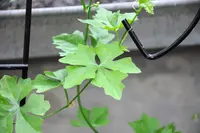
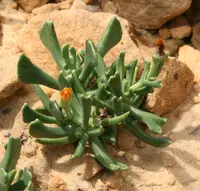
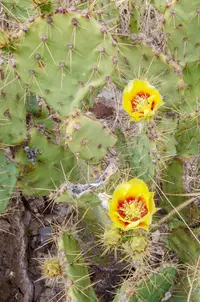
Berlandier's nettlespurge Care (Jatropha cathartica)

Also known as: Jicamilla
Berlandier's nettlespurge

About Berlandier's nettlespurge

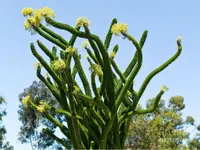
Berlandier's nettlespurge (Jatropha cathartica) is a small, shrubby succulent native to dry regions of Texas and northern Mexico. It stores water in a swollen, tuber-like base and produces sparse stems. The plant is usually leafless for part of the year, then pushes out foliage and bright red flowers in warm seasons. This growth pattern reflects strong adaptation to arid, rocky habitats. It suits growers who enjoy unusual caudiciform plants and can tolerate a somewhat slow, seasonal rhythm. Those who care for Berlandier's nettlespurge need to respect its rest periods and avoid constant moisture. It generally prefers bright light, excellent drainage, and infrequent but deep watering.

Main Plant Requirements

Care Difficulty

Moderate Care

Light Preference

Full Sun

Water Requirements

Low Water

Temperature Preference

Tropical / Frost Sensitive

Hardiness Zone

9–11

Soil Texture

Sandy, Loamy, Rocky

Soil pH

Slightly acidic (6.5–7.0), Neutral (7.0)

Soil Drainage

Well-drained

Fertilization

Minimal (feed rarely)

Get Personalized Care Plan

Scan your plant to receive care tips personalized for your specific plant

Available on iOS and Android

How to Care for the Berlandier's nettlespurge

This sun-loving succulent shrub needs bright, direct light to bloom well.

  • Provide 6–8 hours of direct sun daily; morning and mid-day sun are ideal for Berlandier's nettlespurge in most US climates.
  • Tolerates light afternoon shade, especially in very hot regions, but too much shade leads to lanky growth and few flowers.
  • In summer, gradually acclimate plants moved from shade to full sun to prevent leaf scorch; in winter, choose the brightest, most open spot available.

Water sparingly and allow the soil to dry well between waterings.

  • Let the top 5–8 cm of soil dry completely before watering; the plant should feel light and the surface look pale and dusty.
  • During active growth in spring–summer, water thoroughly but fast, letting excess run off; in fall–winter, reduce watering to brief, infrequent soakings.
  • Shriveled, soft stems suggest underwatering, while yellowing, mushy roots or a sour smell indicate overwatering; always use sharply draining, gritty soil for Jatropha cathartica.

This species prefers warm, dry conditions and is very sensitive to frost.

  • Aim for 70–90°F (21–32°C) during the growing season for strongest growth and flowering.
  • Protect from temperatures below 40°F (4°C); brief dips to 32°F (0°C) may damage foliage and stems, and hard frost can kill the plant.
  • Handles dry heat up to about 100°F (38°C) if soil is well drained, but growth slows in cool, damp weather, so keep it dry and sheltered in cooler months.

This drought-adapted succulent tolerates low indoor humidity without special measures.

  • Ideal humidity is 30–50%, similar to most heated or air-conditioned homes.
  • Plant copes well with dry air; problems usually stem from overwatering, not humidity deficits.
  • True humidity stress shows as soft, rotting stems from overly damp air combined with poor airflow, so prioritize ventilation over humidifiers when caring for Berlandier's nettlespurge.

This species requires very fast-draining, mineral-rich soil similar to desert or rocky habitats.

  • Use a gritty mix: 50–70% inorganic material such as coarse sand, pumice, or perlite combined with 30–50% lean cactus mix.
  • Ensure sharp drainage; water must pass through in seconds and not leave the potting mix soggy or compacted.
  • Slightly acidic to neutral pH around 6.0–7.2 suits Jatropha cathartica, so avoid strongly alkaline limestone-heavy mixes unless naturally present outdoors.
  • Avoid heavy clay, peat-heavy, or moisture-retentive mixes; add extra mineral grit to improve aeration and prevent root rot.

This species is well suited to container growing due to its compact caudex and shallow root system.

  • Select a wide, shallow pot that allows the caudex to sit slightly above the soil line for better drying and display.
  • Choose unglazed clay to increase evaporation, which helps prevent water from lingering around the caudex base.
  • Place the container where it cannot tip easily, as the swollen caudex and top growth can make the plant surprisingly top-heavy.

This drought-adapted succulent shrub needs only light feeding to support healthy growth and flowering.

  • Use a balanced liquid fertilizer (around 10-10-10) diluted to 25–50% strength during the active growing season.
  • Feed every 4–6 weeks in spring and summer; avoid heavy or frequent applications, as Berlandier's nettlespurge is sensitive to excess salts.
  • Stop fertilizing in fall and winter when growth slows or the plant goes dormant.
  • In very lean soils, a thin top-dressing of compost in spring can support nutrient levels without waterlogging the caudex.

Pruning Jatropha cathartica is useful for maintaining a compact form and removing weak growth.

  • Carry out pruning in late winter or early spring before strong new growth begins.
  • Remove dead, damaged, crossing, or congested stems using clean, sharp bypass pruners.
  • Shorten overly long shoots to shape the canopy and encourage branching, which can increase flowering sites.
  • Avoid heavy pruning into very old, thick wood; work gradually over several seasons to refine structure.

Container-grown plants benefit from occasional repotting that respects the sensitive caudex and fine roots.

  • Look for roots circling the pot, water running straight through, or slowed growth as signs it is time to move up.
  • Plan repotting or transplanting for late winter to early spring, just before active growth resumes.
  • Repot every 3–4 years into a slightly larger, shallow pot with very fast-draining, gritty soil.
  • Gently loosen the root ball, keep the caudex slightly above the soil line, water lightly at first, and shade from strong sun for 7–10 days to reduce stress.

New plants are most often raised from stem cuttings, with seeds used when available and fresh.

  • Take semi-ripe stem cuttings in late spring or early summer and allow cut ends to dry and callus for 1–2 days.
  • Insert cuttings into a sterile, very gritty mix, keeping temperatures around 70–80°F and humidity moderate, not high.
  • Provide bright, indirect light and minimal watering, just enough to prevent shriveling, until firm rooting develops.
  • Sow seeds in warm conditions soon after harvest, barely cover them, and keep the medium just slightly moist.

This species is frost sensitive and needs protection in regions with cold winters.

  • Move container plants indoors or into a greenhouse before temperatures drop below 40°F.
  • Keep in a bright, cool, frost-free spot and allow the soil to dry more between waterings during dormancy.
  • In mild climates, grow in very well-drained soil and use a light, dry mulch around the root zone to buffer short cold spells.

Care Tips

Dormancy handling

In late fall, allow stems to die back naturally, then keep the caudex dry and cool but frost-free until new growth appears in spring, which prevents rot and supports the plant’s natural rest cycle.

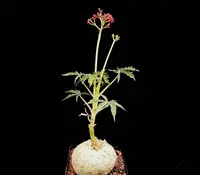
Caudex exposure

When potting, position the swollen caudex slightly above the soil line and brush away any soil that accumulates over it, which improves air flow around the base and highlights its ornamental form.

Targeted stake support

If stems become top-heavy with flowers, insert a thin, unobtrusive stake into the outer root zone and tie stems loosely with soft horticultural tape to prevent breakage without constricting growth.

Controlled root space

Use a relatively shallow, heavy pot and avoid frequent up-potting so the compact root system stays slightly confined, which helps maintain a proportionate caudex and reduces excessive leafy growth.

Seasonal inspection routine

At each seasonal transition, gently lift and rotate the pot, checking the caudex and soil surface for soft spots, pests, or algae, so that issues are corrected early as part of caring for Berlandier's nettlespurge.

Common Pests and Diseases

Spider mites

This pest often appears in hot, dry conditions and can cause fine stippling on leaves, webbing on stems, and general decline. Symptoms include pale, roughened foliage and slowed growth, especially on container plants kept indoors or in very dry spots.

Solution

Rinse foliage and stems with a firm stream of water, including the undersides of leaves, then allow the plant to dry in bright, ventilated conditions. For persistent infestations, use insecticidal soap or a neem oil spray every 7–10 days, and avoid very dry, stagnant air as part of long‑term Jatropha cathartica care.

Mealybugs

These insects form cottony, white clusters in leaf axils, on stems, and around the root crown, feeding on sap and weakening the plant. Symptoms include sticky honeydew, sooty mold growth on that honeydew, and distorted new growth.

Solution

Isolate the plant and dab visible mealybugs with cotton swabs soaked in 70% isopropyl alcohol, repeating weekly until no new insects appear. For heavier infestations, follow with a thorough application of insecticidal soap or neem oil, and inspect nearby succulents and caudiciform plants to prevent re‑infestation.

Scale insects

These insects appear as small, dome‑shaped bumps on stems and sometimes on the thickened caudex, causing yellowing leaves and reduced vigor over time. This pest feeds under a protective shell, making it harder to control once established.

Solution

Gently scrape or wipe off individual scales with a soft brush or cloth, then treat stems with horticultural oil to smother remaining insects and crawlers. Repeat oil or neem applications every 2–3 weeks, keep the plant in bright, open air, and avoid excess nitrogen fertilization that can encourage new, soft growth attractive to scale.

Powdery mildew

This disease produces a white, powdery film on leaves and young stems, more likely under warm days, cool nights, and poor air circulation. Symptoms include dull, grayish foliage and premature leaf drop, especially on plants kept in dense groupings or humid patios.

Solution

Remove and discard heavily infected leaves, then improve spacing and airflow around the plant while keeping foliage dry. Treat remaining growth with a sulfur, potassium bicarbonate, or neem‑based fungicidal spray according to label directions, and avoid overhead watering during cool periods to reduce recurrence.

Interesting Facts

Caudex desert adaptation

This species forms a swollen, tuber-like caudex that stores water and nutrients, allowing it to survive prolonged drought in its native arid habitats of Texas and northeastern Mexico.

Toxic yet showy sap

All parts of the plant contain toxic latex sap rich in diterpenoid compounds, which deter herbivores, while the bright red flowers still attract pollinators such as butterflies.

Seasonal top growth loss

In its native range the plant often dies back to the caudex during cold or very dry seasons, then rapidly produces new stems and leaves when warmth and moisture return.

Botan icon

Did you know?

This species is considered a narrow endemic of rocky limestone outcrops in south Texas and adjacent northeastern Mexico, where it often grows in thin, gravelly soils that many other plants cannot tolerate.

FAQs about Berlandier's nettlespurge

This species usually flowers from late spring through summer, often after a rest period. Individual blooms last several days, but the plant can produce repeated flushes, so overall flowering can extend for weeks in favorable conditions.

Grow Healthy Plants with Botan Care

Keep your plants happy and healthy with plant identification, disease detection, and easy care guidance.

Botan plant care app — identify plants on mobile

Explore More Plants