Leucostele chiloensis Care

Leucostele chiloensis

About Leucostele chiloensis

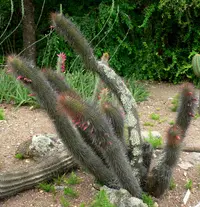
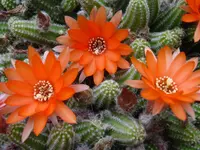
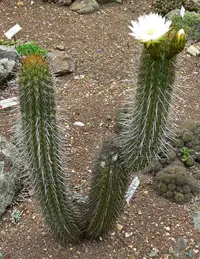
Leucostele chiloensis, often called the Chilean hedgehog cactus, is a tall, columnar cactus native to arid and coastal regions of central Chile. It can form large branched clumps, with blue‑green ribbed stems lined with strong spines and showy white flowers near the stem tips. Growth is relatively slow but long-lived when conditions are right. This species prefers strong light, very fast-draining mineral soil, and careful watering with long dry periods in between. Its drought tolerance and modest nutrient needs make it straightforward for patient growers who learn how to care for Leucostele chiloensis.

Main Plant Requirements

Care Difficulty

Moderate Care

Light Preference

Full Sun

Water Requirements

Low Water

Temperature Preference

Warm Climate

Hardiness Zone

9–11

Soil Texture

Sandy, Loamy, Rocky

Soil pH

Slightly acidic (6.5–7.0), Neutral (7.0)

Soil Drainage

Well-drained

Fertilization

Minimal (feed rarely)

Get Personalized Care Plan

Scan your plant to receive care tips personalized for your specific plant

Available on iOS and Android

How to Care for the Leucostele chiloensis

This tall Chilean cactus thrives in strong light that mimics open, arid habitats.

  • Provide 6–10 hours of direct sun daily; full sun is ideal in spring and fall, with slightly filtered light in the hottest summer afternoons.
  • In very hot, inland climates, protect the south or west side with light shade cloth to prevent sunscald and bleaching of the epidermis.
  • If stems elongate, lean, or turn pale green, light is insufficient; move to a more open, unshaded position for proper Leucostele chiloensis growth.

This cactus is drought-adapted and needs infrequent but thorough watering in well-drained soil.

  • Allow sandy or rocky soil to dry at least 5–10 cm deep before watering again, then soak the root zone and let excess drain away quickly.
  • During active growth in spring and early summer, watering may be needed every 2–4 weeks outdoors, less often during cool or overcast periods.
  • Reduce watering to almost none in winter; soft, yellowing, or blackened stem tissue suggests overwatering, while deep wrinkling signals prolonged drought for Leucostele chiloensis.

This species prefers warm, dry conditions with good air movement and is not reliably frost hardy.

  • Aim for 70–90°F (21–32°C) during active growth; brief heat up to 100°F (38°C) is tolerated if soil is dry and roots are not waterlogged.
  • Protect from frost; sustained temperatures below 28°F (-2°C) can damage tissue, with severe damage or death likely below 23°F (-5°C).
  • In regions with cold winters, keep plants as dry as possible in cool but above-freezing conditions around 40–50°F (4–10°C) to reduce cold injury risk.

This cactus handles typical indoor humidity easily and does not need extra moisture.

  • Aim for 30–50% humidity, similar to most heated or air-conditioned homes.
  • Dry air is usually tolerated; problems arise more from excess moisture than low humidity.
  • If stems wrinkle while the soil is still slightly moist, reduce ambient humidity and improve air movement rather than adding water.

Use a very fast-draining, mineral-rich mix to keep roots dry and aerated.

  • Choose a gritty, sandy substrate with coarse particles so water drains in seconds, not minutes.
  • Mix roughly 50–70% mineral ingredients (pumice, coarse sand, small gravel) with 30–50% cactus potting mix for structure and light organic content.
  • Keep pH slightly acidic to neutral (pH 6.0–7.2), which suits Leucostele chiloensis and helps nutrient uptake without increasing rot risk.
  • Avoid peat-heavy, compacted, or moisture-retentive mixes that stay wet for more than 2–3 days, since low oxygen around roots quickly leads to rot.

This species is well suited to container growing when the pot is stable and sharply drained.

  • Select a deep, heavy pot so the tall columnar stems do not tip over in wind or when bumped.
  • Choose unglazed clay if extra evaporation is needed, as it dries faster than plastic and reduces prolonged root wetness.
  • Place the container slightly raised on feet or blocks so drainage holes never sit in a saucer of standing water.

This Chilean columnar cactus needs only light feeding in containers or poor soils.

  • Use a low-nitrogen, balanced cactus fertilizer (diluted to 25–50% strength) or a thin layer of well-aged compost on the soil surface.
  • Feed Leucostele chiloensis once in late spring and once in mid-summer during active growth only.
  • Do not fertilize in fall or winter, when growth is dormant, to avoid soft, frost-prone tissue.
  • Water before applying liquid fertilizer to reduce root burn risk in this drought-adapted species.

Pruning needs are minimal and focus on safety and plant health rather than shaping.

  • Carry out any work in late spring or early summer, when tissue is dry and healing is faster.
  • Remove only dead, diseased, storm-damaged, or crossing arms; do not cut healthy main columns.
  • Use long-handled loppers or a pruning saw plus thick gloves and eye protection to avoid injury.
  • Disinfect tools before and after cuts to limit disease entry through large, succulent wounds on Leucostele chiloensis.

This large cactus is usually grown in the ground; container plants or young specimens need infrequent moves.

  • Consider transplanting or repotting only when roots circle the pot, growth slows noticeably, or the plant becomes unstable.
  • Plan moves in late spring, allowing warm conditions for root recovery and reduced rot risk.
  • For containers, shift 1 pot size up every 3–5 years into a very free-draining cactus mix.
  • Minimize root stress by keeping the root ball as intact as possible, handling with padding, and withholding water for 3–5 days after moving Leucostele chiloensis.

Propagation is possible but slow and usually done from seed for this columnar cactus.

  • Sow fresh seeds in late spring in a sterile, very gritty cactus mix, barely covering them.
  • Maintain 70–80°F, bright indirect light, and consistently lightly moist (not wet) substrate until germination.
  • Once seedlings appear, improve air flow and reduce moisture to prevent damping-off, a fungal seedling disease.
  • Offsets or cut stem sections can root in warm, dry sand after a callus forms, but this is less common for Leucostele chiloensis.

Mature plants are fairly cold tolerant but need some protection from severe or prolonged freezes.

  • Established plants in dry soil tolerate brief drops near 20°F, but young or potted plants are more sensitive.
  • Apply a light gravel or mineral mulch to keep the root zone well drained over winter.
  • Wrap columns with breathable frost cloth during hard freezes, avoiding plastic in direct contact with tissue.
  • Move containers under cover or indoors to a bright, cool, frost-free spot, reducing water sharply for Leucostele chiloensis indoor care.

Care Tips

Rotate for symmetry

Turn the pot 90° every 2–3 weeks during the growing season so the column develops evenly and does not lean toward the primary light source.

Gradual sun hardening

When moving a plant from indoors or shade to a sunnier spot, increase direct sun exposure in 30–60 minute increments every few days to prevent corking and sunburn on the ribs.

Stabilize tall stems

For tall or multi-stemmed plants, anchor the pot with a heavy cachepot or top-dress with coarse gravel so wind or accidental bumps are less likely to tip the container.

Controlled propagation cuts

If a stem must be shortened or divided, use a single clean cut, allow the cut surface to callus in a dry, shaded place for 2–4 weeks, then root the segment in barely moist, very coarse mix.

Winter light adjustment

In winter, move plants as close as practical to the brightest window or supplement with a full-spectrum grow light to maintain compact growth while caring for Leucostele chiloensis.

Common Pests and Diseases

Scale insects

This pest feeds on cactus stems, forming small rounded or oval bumps that can cause yellowing and weakened growth. Symptoms include sticky honeydew and sooty mold on the epidermis.

Solution

Physically remove visible scales with a soft brush or cotton swab dipped in 70% isopropyl alcohol, then rinse the plant with a gentle water spray and let it dry fully. For persistent infestations, use a systemic insecticide labeled for cacti and improve air movement and light to support plant vigor when caring for Leucostele chiloensis.

Mealybugs

These insects appear as white cottony clusters in stem ribs, areoles, and at the base of spines, sucking sap and stressing the plant. Symptoms include slow growth, shriveling sections, and sticky residue.

Solution

Dab visible mealybugs with 70% isopropyl alcohol on a cotton swab and repeat weekly until no new insects appear, then hose the plant off and let it dry in bright light. For heavy infestations, apply an insecticidal soap or a systemic insecticide suitable for succulents and isolate the plant from others until controlled.

Spider mites

This pest is favored by hot, very dry conditions and causes fine speckling, dull patches, and sometimes delicate webbing on cactus ribs. Symptoms include a dusty appearance and gradual loss of the natural green color.

Solution

Increase humidity around the plant briefly by misting the air (not soaking the stem) and rinse the cactus thoroughly with a strong but gentle stream of water to dislodge mites. If damage continues, treat with a miticide or insecticidal soap labeled for spider mites, repeating at intervals to break the life cycle while maintaining good air circulation and strong light.

Cactus scab

This disease causes corky, brown, crust-like patches on the epidermis that may start as small, slightly sunken spots and expand over time. Symptoms include rough, scarred tissue that does not return to green but usually stays dry.

Solution

Remove any strongly affected small sections with a sterile knife if practical, then keep the plant in bright, dry, well-ventilated conditions and avoid frequent overhead watering or prolonged surface moisture. Disinfect tools after cutting, monitor for spread, and discard severely disfigured or soft, secondary-infected parts to prevent further problems.

Fungal stem spot

This disease arises under prolonged moisture or poor airflow and produces dark, sometimes slightly sunken spots that may enlarge or coalesce on the stems. Symptoms include softening tissue in advanced cases and potential secondary rot around the lesions.

Solution

Cut out affected soft or spreading spots with a sterile blade back into firm, healthy tissue, then dust or paint the wound with a sulfur-based or copper-based fungicide and allow it to dry thoroughly. Adjust care by using a gritty, fast-draining substrate, spacing plants to improve airflow, and watering only when the soil is completely dry to reduce the chance of recurrence.

Interesting Facts

Tallest Chilean cactus

This coastal columnar cactus is among the tallest plants in central Chile’s matorral shrubland, with mature stems often forming multi‑branched pillars that dominate the local skyline and create vertical structure for birds and insects.

Key coastal fog user

In its native range along the Chilean coast, this species benefits from coastal fog, which condenses on its stems and spines and then drips to the soil, helping it survive in areas with very low rainfall.

Crucial seed nurse

The dense, thorny branching of mature plants often acts as a nurse structure, sheltering seedlings of other species from intense sun and herbivores, and thereby influencing local plant community patterns and diversity.

Botan icon

Did you know?

Some individuals in natural stands are estimated, based on growth rates and stem thickness, to be several hundred years old, making this cactus one of the longest‑lived woody plants in parts of the Chilean coastal matorral.

FAQs about Leucostele chiloensis

This cactus grows slowly, often only 2–5 cm per year in cultivation. It may take 10–20 years to develop a noticeable, tree-like column with branching, even under warm, bright, low-rainfall conditions.

Grow Healthy Plants with Botan Care

Keep your plants happy and healthy with plant identification, disease detection, and easy care guidance.

Botan plant care app — identify plants on mobile

Explore More Plants