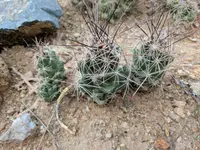
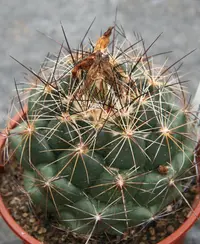
Acanthocereus oaxacensis Care

Acanthocereus oaxacensis

About Acanthocereus oaxacensis

Acanthocereus oaxacensis is a columnar cactus native to arid and semi-arid regions of Mexico, where it grows in rocky, well-drained habitats. It typically forms upright, many-ribbed stems with short spines, creating a tall, architectural silhouette over time.

This species produces large, showy night-blooming flowers, a trait shared with several desert cacti. Its drought tolerance and slow, steady growth make it relatively low-maintenance for experienced succulent growers.

To care for Acanthocereus oaxacensis successfully, it is important to provide strong light, minimal but deep watering, and a very free-draining, mineral-rich soil mix.

Main Plant Requirements

Care Difficulty

Moderate Care

Light Preference

Full Sun

Water Requirements

Low Water

Temperature Preference

Tropical / Frost Sensitive

Hardiness Zone

10–12

Soil Texture

Sandy, Loamy, Rocky

Soil pH

Slightly acidic (6.5–7.0), Neutral (7.0)

Soil Drainage

Well-drained

Fertilization

Minimal (feed rarely)

Get Personalized Care Plan

Scan your plant to receive care tips personalized for your specific plant

Available on iOS and Android

How to Care for the Acanthocereus oaxacensis

This cactus prefers strong light but benefits from some protection during the hottest hours.

  • Provide 6–8 hours of direct sun daily, ideally with morning sun and light afternoon shade, to support compact, upright growth for Acanthocereus oaxacensis.
  • In very hot climates, shield from intense midday summer sun with 30–40% shade cloth or dappled tree shade to reduce scorching and stem yellowing.
  • If stems elongate, lean, or lose strong color, increase light exposure gradually over 7–10 days to prevent sunburn.

Watering should mimic a dry climate with brief, deep soakings and long dry intervals.

  • Irrigate only when the top 5–8 cm of soil feel completely dry, then water deeply so it drains fully out of the root zone.
  • During active growth in spring–summer, this may mean watering every 7–21 days depending on heat, wind, and soil type; in cool seasons, extend intervals significantly.
  • Watch for overwatering signs such as soft, yellowing, or blackened stems and a sour soil smell; severe wrinkling and dull, shriveled ribs indicate underwatering.

This species prefers warm, arid conditions and has limited tolerance to cold.

  • Aim for 70–90°F (21–32°C) during active growth, as this range supports healthy photosynthesis and stem development.
  • Protect from cold below 40°F (4°C); brief dips to 35°F (2°C) may be tolerated if soil is completely dry, but frost can scar or kill tissue.
  • In heat above 100°F (38°C), increase airflow and provide partial shade to prevent overheating, especially for young or recently transplanted plants.

This cactus handles typical indoor humidity well and rarely needs special humidity management.

This cactus needs a very fast-draining, mineral, cactus-style substrate to prevent root rot.

  • Use a sandy, gritty mix such as 50–60% cactus potting mix blended with coarse perlite or pumice and coarse sand.
  • Aim for slightly acidic to neutral pH around 6.0–7.0, avoiding heavy lime additions unless local water is very soft.
  • Ensure the mix stays loose and well aerated; avoid peat-heavy blends that compact and hold moisture for many days.
  • Do not use garden soil or clay-based mixes, which retain water and limit oxygen around the roots of Acanthocereus oaxacensis.

This species adapts well to container growing when the pot supports its tall, branching form.

  • Choose a deep, heavy pot that resists tipping as stems elongate and shift the plant’s center of gravity.
  • Select unglazed terracotta if extra evaporation is needed in a humid or cool climate to keep the root zone drier.
  • Raise the container slightly on pot feet or bricks so drainage holes clear the surface and excess water escapes freely.

This cactus benefits from light, infrequent feeding during its active warm-season growth.

  • Use a low-nitrogen, balanced cactus fertilizer (or 10-10-10) diluted to 25–50% strength.
  • Apply every 4–6 weeks in spring and summer to container-grown Acanthocereus oaxacensis; in-ground plants often need none.
  • Avoid organic composts that stay wet; choose mineral, free-draining mixes instead.
  • Stop feeding in fall and winter to allow full dormancy and reduce rot risk.

Pruning is mainly corrective and for safety, since stems can become tall and unwieldy.

  • Carry out light pruning in late winter or early spring before strong new growth starts.
  • Remove dead, damaged, crossing, or diseased stems at their base with clean, sharp pruners.
  • Shorten overly long or leaning branches to control size and improve structural stability.
  • Disinfect tools before and after use to limit disease spread and allow clean wound surfaces.

Container-grown plants need infrequent repotting, while in-ground plants are usually left undisturbed.

  • Repot every 3–4 years, or when roots circle the pot, push through drainage holes, or growth slows.
  • Plan repotting or transplanting for late spring, once nights stay consistently above 55°F.
  • Use a slightly larger pot with a coarse, fast-draining cactus mix to limit waterlogging.
  • Handle stems with thick gloves, disturb roots as little as possible, and keep soil barely moist for 1–2 weeks after moving.

This species is commonly propagated from stem cuttings, with seed used mainly for larger batches or breeding work.

  • Take 10–20 cm stem cuttings in late spring or early summer from healthy, mature segments.
  • Let cut ends dry and callus for 5–10 days in a shaded, airy spot to reduce rot risk.
  • Insert cuttings into barely moist, gritty cactus mix and keep at 70–80°F with bright, indirect light.
  • For seeds, sow on the surface of sterile, sandy mix, keep slightly moist, and maintain warmth until germination.

This cactus is sensitive to hard frost and needs a dry, cool but not freezing winter rest in most climates.

  • In USDA zones below 10, grow in containers and move indoors or to a frost-free greenhouse for winter.
  • Maintain winter temperatures around 45–55°F with plenty of light and very low air humidity.
  • Keep soil almost completely dry; water only enough to prevent wrinkling of stems.
  • In mild, frost-free sites, ensure excellent drainage and use gravel mulch around the base to keep the root zone dry.

Care Tips

Vertical support training

Install a sturdy, sun-resistant trellis or post and loosely tie young stems with soft horticultural tape so the plant can climb and develop thicker, more stable columns instead of sprawling on the ground.

Gradual light hardening

Before moving plants from indoors or shade to full outdoor sun, increase light exposure over 10–14 days to prevent stem scorching and uneven yellow patches on the ribs.

Salt build-up management

Every 2–3 months in the growing season, leach the container by watering deeply until excess drains freely to flush out accumulated salts from fertilizer and hard water that can burn roots.

Root inspection repotting

When growth slows and the pot feels very crowded, gently slide the root ball out to check for tight circling roots and repot into a slightly wider container if needed, disturbing the roots as little as possible.

Cold and wet protection

In regions with cool, wet winters, keep containers under a roof overhang or in a bright, unheated shelter so stems stay dry in cold conditions, which is critical for caring for Acanthocereus oaxacensis without rot problems.

Common Pests and Diseases

Cochineal scale

This pest forms white, cottony clusters on pads and stems where it feeds on plant sap and excretes red carminic acid when crushed. Symptoms include slow growth, yellowing tissue around clusters, and weakened, patchy stems.

Solution

Remove visible colonies with a firm spray of water or by wiping with cotton swabs dipped in 70% isopropyl alcohol, taking care not to damage the skin. For persistent infestations, apply a horticultural soap or light horticultural oil labeled for cacti, and improve sun exposure and air movement to reduce reinfestation while monitoring new growth weekly.

Cactus longhorn beetle

This pest chews large, irregular feeding scars on the outer stem and its larvae bore inside, hollowing out segments. Symptoms include collapsing stems, oozing or sawdust-like frass at entry points, and sudden segment loss in otherwise healthy plants.

Solution

Inspect plants regularly at dusk or night and hand-pick adult beetles, destroying them before they lay eggs. Cut out and discard any hollow or heavily tunneled sections well back into firm tissue, then keep the plant drier and in full sun while wounds cork over, using physical barriers such as hardware cloth collars around the base in areas with recurring beetle pressure.

Fungal stem canker

This disease causes sunken, discolored patches on stems that can turn tan to dark brown and may ooze or crack. Symptoms include localized softening of tissue, eventual corking, and in severe cases girdling that makes whole segments collapse.

Solution

Prune out affected areas with a sterile, sharp knife, cutting back into firm, unblemished tissue and allowing cuts to dry and callus in a bright, dry location. Reduce overhead watering, ensure fast-draining mineral soil, and increase airflow; in very humid or high-rainfall regions, a fungicide labeled for cacti stem diseases may be used as a short-term protective measure around pruning wounds.

Bacterial soft rot

This disease produces rapidly spreading, water-soaked, foul-smelling areas that turn mushy and collapse. Symptoms include dark, wet-looking spots that expand quickly, sometimes with bubbling or oozing from the affected tissue.

Solution

Excise all soft, discolored tissue well into healthy, firm stem with a sterilized blade, then let the remaining plant dry in a warm, airy, shaded place until all cut surfaces are fully callused. Avoid splashing water on stems, keep the substrate very well-drained and on the dry side, and discard severely affected plants to prevent spread to nearby cacti, which supports long-term Acanthocereus oaxacensis care in mixed collections.

Spider mites

These insects are tiny sap-feeders that thrive in hot, dry conditions and can form fine webbing in stem crevices. Symptoms include a dull, dusty appearance to the skin, tiny pale stippling, and gradual loss of vigor even when light and watering are correct.

Solution

Rinse stems thoroughly with a strong but controlled stream of water, focusing on ribs and crevices, then repeat every few days to break the life cycle. In stubborn cases, use insecticidal soap or a light horticultural oil suitable for cacti, applied in the early morning or late afternoon, and slightly raise ambient humidity while maintaining excellent airflow to make conditions less favorable for mites.

Interesting Facts

Nocturnal flower visitor

This cactus bears tubular, night-opening white flowers that are visited by nocturnal pollinators such as moths and bats in its native range in southern Mexico.

Oaxaca coastal specialist

It is naturally restricted to warm, dry coastal areas of Oaxaca, often growing in scrub or thorn forest on rocky or sandy substrates influenced by the Pacific Ocean climate.

FAQs about Acanthocereus oaxacensis

This cactus is relatively fast for a columnar species, often adding 10–30 cm per year in warm, bright, frost‑free conditions. Growth slows with cool temperatures, low light, cramped roots, or frequent disturbance of the root system.

Grow Healthy Plants with Botan Care

Keep your plants happy and healthy with plant identification, disease detection, and easy care guidance.

Botan plant care app — identify plants on mobile

Explore More Plants