


Deep pot selection
Use a relatively deep pot with generous drainage holes so the strong taproot can develop fully and excess water leaves quickly, which helps prevent root rot and promotes stable, upright growth.

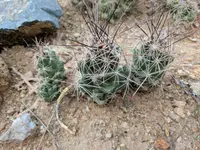
Coryphantha macromeris, commonly called nipple beehive cactus, is a small desert cactus with cylindrical stems covered in raised tubercles that resemble nipples. It often forms low clumps over time.
This species is native to arid regions of the southwestern United States and northern Mexico, where it grows in rocky, well-drained soils. The plant produces showy, funnel-shaped flowers near the stem tips, followed by small fruits.
Its compact size and slow growth make it suitable for containers and small spaces. Thick, water-storing tissues give it good drought tolerance but also mean it dislikes overwatering.
Those learning how to care for nipple beehive cactus should note its preference for strong light, low humidity, and a gritty, fast-draining soil mix.

Care Difficulty
Moderate Care

Light Preference
Full Sun

Water Requirements
Low Water

Temperature Preference
Warm Climate

Hardiness Zone
8–11

Soil Texture
Sandy, Rocky, Loamy

Soil pH
Slightly acidic (6.5–7.0), Neutral (7.0)

Soil Drainage
Well-drained

Fertilization
Minimal (feed rarely)
Scan your plant to receive care tips personalized for your specific plant
Available on iOS and Android
This cactus prefers strong, direct light but benefits from some protection in extreme sun.
Water sparingly and allow the root zone to dry well between soakings.
This species prefers warm, dry conditions and is sensitive to prolonged cold and frost.
Humidity is rarely limiting for Coryphantha macromeris when basic arid conditions are met.
This cactus needs very fast-draining, mineral-based soil to prevent root rot.
This species is well suited to container culture when the pot controls moisture effectively.
This cactus has low nutrient demands, but light feeding supports healthy growth in containers.
Coryphantha macromeris needs almost no structural pruning, only occasional hygiene maintenance.
This cactus prefers a stable root environment and only infrequent repotting in small, well-drained containers.
New plants are usually produced from seed, as this species often forms solitary stems with few offsets.
Winter care focuses on keeping this cactus dry and cool while avoiding hard frost on stems and roots.

Plant Health Check
Not sure what's wrong with your plant? Check your plant's health inside the app.
This species produces large, fragrant purple to magenta flowers that often open in the evening or at night and can last several days, an adaptation that helps attract nocturnal pollinators in its hot, dry habitat.
It forms a thick, carrot-like taproot that stores water and nutrients, allowing the plant to survive long drought periods in gravelly and calcareous desert soils of the Chihuahuan Desert region.
Mature plants often develop elongated, cylindrical stems that can form short chains or clusters, a growth habit that distinguishes it from many other Coryphantha species that remain mostly solitary and globose.

The fruits of this species are narrow, elongated, and often remain partially hidden within the spiny stem tissue until they ripen and split, gradually releasing numerous small seeds onto the surrounding rocky substrate rather than dispersing them widely.
This species usually blooms in summer, producing funnel-shaped pink to magenta flowers from the stem top. Individual blooms often last several days in good conditions and may appear in successive flushes during the warm season.
Keep your plants happy and healthy with plant identification, disease detection, and easy care guidance.

 POPULAR
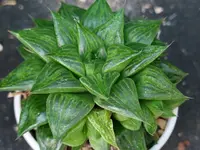
Ruens Haworthia
Haworthia retusa
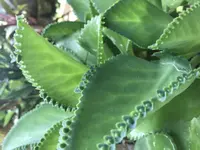
Mother of Thousands
Kalanchoe laetivirens
 POPULAR
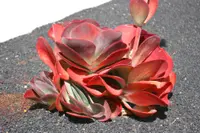
Paddle plant
Kalanchoe luciae
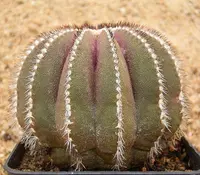
Uebelmannia pectinifera
Uebelmannia pectinifera
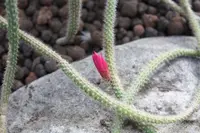
rattail cactus
Aporocactus flagelliformis
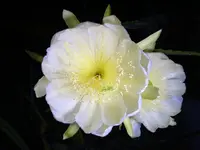
Yellow dragonfruit
Selenicereus megalanthus
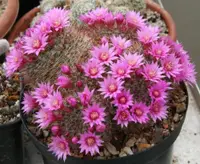
Mammillaria zeilmanniana
Mammillaria zeilmanniana
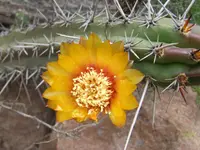
Corryocactus aureus
Corryocactus aureus