Rotate for symmetry
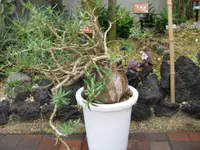
Turn the pot 90° every 2–3 weeks during active growth so the stem stays evenly cylindrical and does not lean toward the light source.

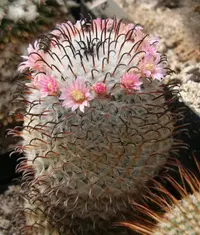
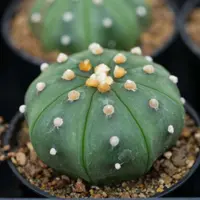
Mammillaria perezdelarosae is a small, clumping cactus species known for its neat, rounded stems covered in dense white spines. It often forms attractive clusters that stay compact, making it well suited to windowsills and small indoor collections.
This species is native to arid regions of central Mexico, where it grows on rocky slopes with strong light and very fast-draining soils. In cultivation, it is considered moderately easy, as long as excess moisture is avoided and light is adequate.
Those learning how to care for Mammillaria perezdelarosae should focus on bright exposure, infrequent but thorough watering, and a gritty, mineral-rich substrate to prevent root problems.

Care Difficulty
Easy Care

Light Preference
Full Sun

Water Requirements
Low Water

Temperature Preference
Tropical / Frost Sensitive

Hardiness Zone
10–11

Soil Texture
Sandy, Loamy, Rocky

Soil pH
Slightly acidic (6.5–7.0), Neutral (7.0)

Soil Drainage
Well-drained

Fertilization
Minimal (feed rarely)
Scan your plant to receive care tips personalized for your specific plant
Available on iOS and Android
This small desert cactus prefers bright, direct sun with some protection at the hottest time of day.
This species needs infrequent, deep watering and fast-drying soil to avoid root rot.
This cactus prefers warm, dry conditions with a distinct cool, dry rest period in winter.
This species tolerates dry indoor air well and rarely needs special humidity management.
This cactus needs a very fast-draining, mineral-rich substrate to avoid root and stem rot.
This species is very suitable for container growing due to its compact, shallow root system.
This small desert cactus needs modest feeding to maintain compact, healthy growth in containers.
This species needs very little pruning, focused mainly on cleanliness and plant health.
This cactus grows slowly and prefers infrequent repotting in a shallow, well-drained container.
Mammillaria perezdelarosae is commonly propagated from offsets and seeds under warm, bright conditions.
This species is not frost hardy and benefits from a cool, dry, bright winter rest.

Plant Health Check
Not sure what's wrong with your plant? Check your plant's health inside the app.
This cactus is naturally restricted to a very small area of limestone cliffs and rocky slopes in Jalisco, Mexico, where it grows tucked into crevices with excellent drainage and high light.
The stems form neat, low cushions of conical tubercles (the individual bumps typical of Mammillaria), giving the plant a compact, geometric appearance that differs from the taller, columnar relatives in the genus.
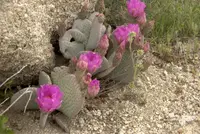
In habitat and cultivation, it produces a tight ring of pale pink to whitish flowers near the stem apex, a flowering pattern typical of many Mammillaria but with a notably soft, pastel coloration in this species.
This species usually blooms in late winter to spring, sometimes into early summer. It produces small, funnel-shaped flowers in a ring near the stem top, often white to pinkish, followed by small, elongated red fruits.
Keep your plants happy and healthy with plant identification, disease detection, and easy care guidance.