
Stabilize Heavy Pads
When new pads become top-heavy, anchor the plant with a few large rocks around the base or a short, open wire hoop so wind or accidental bumps do not snap joints at the cladode connections.

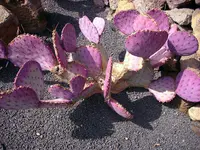
The purple pricklypear, Opuntia macrocentra, is a desert cactus known for its flat pads that turn deep purple in strong sun or cool temperatures. It forms low, spreading clumps with upright pads and long, dark spines that give it a striking architectural look.
This species is native to arid regions of the southwestern United States and northern Mexico, where it thrives in rocky, well-drained soils. It is adapted to drought, intense light, and wide temperature swings, which makes it relatively easy to grow if kept dry and bright.
Gardeners who learn how to care for purple pricklypear usually find it a durable choice, as long as soil drains freely and watering stays infrequent.

Care Difficulty
Easy Care

Light Preference
Full Sun

Water Requirements
Low Water

Temperature Preference
Warm Climate

Hardiness Zone
7–10

Soil Texture
Sandy, Loamy, Rocky

Soil pH
Slightly acidic (6.5–7.0), Slightly alkaline (7.0–7.5)

Soil Drainage
Well-drained

Fertilization
Minimal (feed rarely)
Scan your plant to receive care tips personalized for your specific plant
Available on iOS and Android
Opuntia macrocentra grows best in strong, direct sun that mimics its desert habitat.
This desert cactus needs infrequent, deep watering and very fast-draining soil.
This cactus prefers warm, dry conditions and tolerates significant heat and short cold spells.
Humidity is rarely a concern for this desert cactus in home or outdoor conditions.
Opuntia macrocentra prefers very fast-draining, mineral-heavy soil to prevent root rot.
This species is well suited to container growing when the pot is managed for stability and rapid drainage.
This desert cactus needs modest feeding, mainly to support container growth and flowering during the warm season.
Pruning Opuntia macrocentra is mostly corrective, to manage size, safety, and plant health.
This species is often landscape-grown, but containers or young plants sometimes need repotting or transplanting.
Propagation is commonly done from stem pads, with seeds used mainly for breeding or large-scale production.
This cactus is fairly cold hardy when dry but still benefits from some winter management, especially in containers.

Plant Health Check
Not sure what's wrong with your plant? Check your plant's health inside the app.
The pads of this species develop a strong purple coloration in response to cool, dry conditions and high light, as pigments called betalains accumulate to protect tissues from stress and excess radiation.
This cactus is characterized by very long, dark central spines that can exceed 5 cm, which help shade the pad surface, reduce water loss, and deter large herbivores in its native desert habitat.
The species is naturally found in arid regions of northern Mexico and the southwestern United States, where it occupies rocky slopes and desert grasslands and plays a role in stabilizing soil and providing food for wildlife such as rodents and insects.
This species can form spreading clonal colonies as its pads detach, root, and establish new segments, allowing a single genetic individual to gradually occupy a large patch of desert over many years.
Lack of blooms usually comes from insufficient light, too much nitrogen fertilizer, or a plant that is still immature. Cold winter rest, strong sun, and lean, well-drained soil help trigger flower production.
Keep your plants happy and healthy with plant identification, disease detection, and easy care guidance.
russet buffaloberry
Shepherdia canadensis
Engelmann's Prickly Pear
Opuntia engelmannii

Matucana madisoniorum
Matucana madisoniorum
Chinese Hawthorn
Crataegus pinnatifida
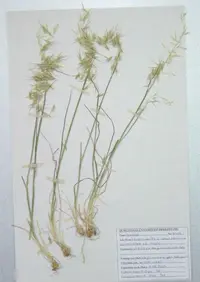
animated oat
Avena sterilis
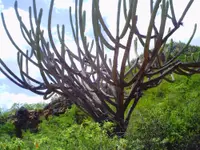
Pilosocereus pachycladus
Pilosocereus pachycladus
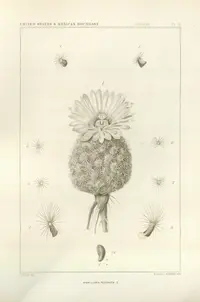
rhinoceros cactus
Coryphantha echinus
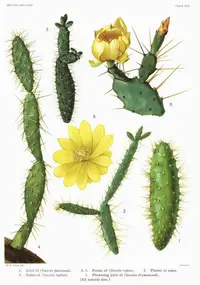
Velvet Bur Cactus
Opuntia pubescens