


Pad Propagation Prep
Select firm, unblemished pads at least 6 months old, let the cut edge callus for 5–10 days in a dry, shaded place, then plant only the bottom 2–3 cm to reduce rot and improve establishment.

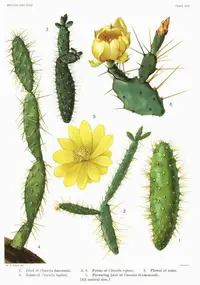
Velvet bur cactus (Opuntia pubescens) is a small to medium shrubby cactus with flat, oval pads covered in fine, fuzzy-looking hairs and short spines. It often forms low, branching clumps and may produce yellow flowers followed by small, rounded fruits.
This species is native to arid and semi-arid regions of Mexico and nearby areas, adapted to intense sun, heat, and rocky or sandy soils. Its drought tolerance and slow, compact growth make it relatively straightforward for patient growers who learn how to care for Velvet Bur Cactus.
It prefers bright light, very well-draining soil, and careful watering that avoids constant moisture around the roots.

Care Difficulty
Easy Care

Light Preference
Full Sun

Water Requirements
Low Water

Temperature Preference
Warm Climate

Hardiness Zone
9–11

Soil Texture
Sandy, Loamy, Rocky

Soil pH
Slightly acidic (6.5–7.0), Slightly alkaline (7.0–7.5)

Soil Drainage
Well-drained

Fertilization
Minimal (feed rarely)
Scan your plant to receive care tips personalized for your specific plant
Available on iOS and Android
This cactus grows best with strong light that mimics open, arid habitats.
This species prefers infrequent, deep watering with thorough drying between soakings.
Stable warmth supports healthy pad growth and flowering in this cactus.
This cactus prefers dry air and humidity is rarely a concern indoors.
Use a very fast-draining, mineral-heavy mix to prevent root rot.
This species is well suited to container growing when given a stable, well-drained setup.
This cactus needs only light feeding, as it stores nutrients efficiently in its pads.
Pruning Opuntia pubescens is mainly done for safety, shape control, and plant health.
Container-grown plants benefit from occasional repotting to maintain root health and stable growth.
This species is commonly propagated from stem pads, with seeds used less often for home growing.
Winter care depends on climate; this cactus is somewhat cold tolerant but dislikes prolonged freezing and wet soil.

Plant Health Check
Not sure what's wrong with your plant? Check your plant's health inside the app.
This species develops relatively small, softly pubescent pads covered with fine hairs and small spines, a combination that helps reduce water loss while still deterring many herbivores.
Its red to purple fruits are fleshy and edible but packed with hard seeds, which are dispersed mainly when animals eat the fruit and later excrete the seeds.
Native populations are often found in dry, rocky, higher-elevation sites in Mexico, where intense sun and strong temperature swings favor this drought-adapted cactus over less tolerant plants.
Lack of flowers usually comes from insufficient light, a pot that is too small, or no cool, dry rest in winter. Overfertilizing with high nitrogen can also reduce bud formation and favor stem growth instead.
Keep your plants happy and healthy with plant identification, disease detection, and easy care guidance.

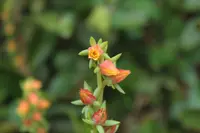
Echeveria bicolor
Echeveria bicolor
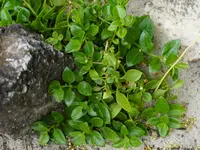
heart-leaf ice plant
Mesembryanthemum cordifolium
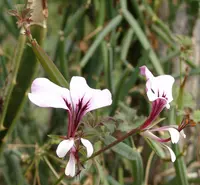
square-stemmed pelargonium
Pelargonium tetragonum
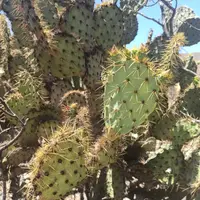
Engelmann's Prickly Pear
Opuntia engelmannii
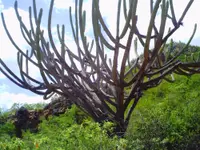
Pilosocereus pachycladus
Pilosocereus pachycladus
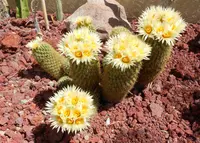
Coryphantha erecta
Coryphantha erecta

Cephalocereus tetetzo
Cephalocereus tetetzo
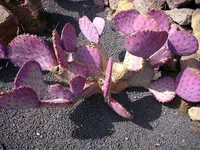
purple pricklypear
Opuntia macrocentra