square-stemmed pelargonium Care (Pelargonium tetragonum)

Also known as: Squarestem Storksbill
square-stemmed pelargonium

About square-stemmed pelargonium

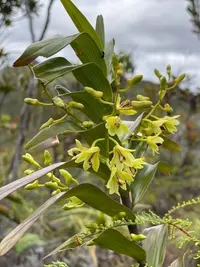
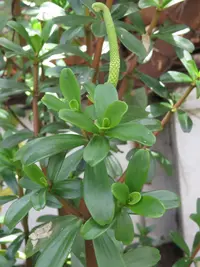
Square-stemmed pelargonium (Pelargonium tetragonum) is a succulent, semi-climbing species from dry regions of South Africa. It has distinctive four-angled, often reddish stems and sparse, triangular leaves.

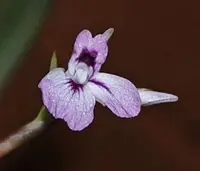
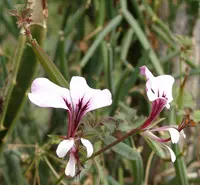
The plant produces delicate, long-petaled flowers, usually pale cream or pink with darker markings, giving it a light, airy look. Its growth habit makes it suitable for containers, hanging pots, or supported on small trellises indoors.

This species prefers bright, indirect light, low to moderate watering, and very free-draining soil. Once its basic needs are understood, it is relatively straightforward to care for square-stemmed pelargonium.

Main Plant Requirements

Care Difficulty

Moderate Care

Light Preference

Bright Indirect Light

Water Requirements

Low Water

Temperature Preference

Tropical / Frost Sensitive

Hardiness Zone

10–11

Soil Texture

Sandy, Loamy, Organic-rich

Soil pH

Slightly acidic (6.5–7.0), Slightly alkaline (7.0–7.5)

Soil Drainage

Well-drained

Fertilization

Light (every 4–6 weeks)

Get Personalized Care Plan

Scan your plant to receive care tips personalized for your specific plant

Available on iOS and Android

How to Care for the square-stemmed pelargonium

Pelargonium tetragonum prefers bright conditions that mimic a sunny, dry habitat.

  • Provide 4–6 hours of direct morning sun with bright, filtered light or light shade in the afternoon, especially in hot summers.
  • Plant in a spot that receives at least bright indirect light all day; in too much shade, stems stretch, leaves pale, and flowering is reduced.
  • In very strong midday sun, especially in summer, protect square-stemmed pelargonium from leaf scorch by using light shade cloth or positioning near taller plants.

Watering should respect this plant’s drought-tolerant, succulent-like stems and roots.

  • Allow the top 3–5 cm of soil to dry before watering; the pot or ground should feel noticeably lighter and the surface no longer cool to the touch.
  • During active growth in spring–summer, water thoroughly, then let excess drain away; reduce watering sharply in fall–winter, especially in cool conditions.
  • Watch for yellowing, soft stems and a sour smell as signs of overwatering, while limp, wrinkled stems and dry, curling leaves suggest underwatering in Pelargonium tetragonum.

This species prefers warm, dry conditions but has limited cold tolerance.

  • Aim for 65–80°F (18–27°C) for best growth, with good air movement to reduce fungal problems in humid climates.
  • Protect plants from temperatures below 40°F (4°C); light frost can damage foliage and repeated freezing may kill roots.
  • In hot spells above 90°F (32°C), give some afternoon shade and avoid dark, heat-absorbing surfaces that can overheat roots and stems.

This species prefers dry indoor air conditions and usually does not need extra humidity management.

  • Keep humidity around 30–50% to match its semi-succulent growth and reduce rot risk.
  • Square-stemmed pelargonium tolerates very dry air; leaf yellowing with soft, mushy stems signals excess humidity combined with overwatering.
  • Increase air movement with a small fan and avoid grouping plants tightly, since stagnant, humid air encourages fungal spots on leaves.

This species prefers a fast-draining, slightly gritty mix that mimics rocky habitats.

  • Use a sandy, airy substrate such as 40% cactus mix, 40% perlite or pumice, and 20% fine bark or coarse compost for Pelargonium tetragonum.
  • Aim for slightly acidic to neutral pH, roughly 6.0–7.2, which supports nutrient uptake without encouraging salt buildup.
  • Improve drainage by ensuring visible coarse particles; avoid fine peat-heavy mixes that stay wet and compact around the roots.
  • Do not use dense garden soil or clay-based mixes, which hold water, reduce aeration, and increase root-rot risk.

This species is well suited to container growing due to its compact, semi-succulent habit.

  • Choose a pot slightly wider than the root ball but not overly deep, which keeps the mix drying at a safe rate between waterings.
  • Use a stable, heavier container material if stems become tall or scrambling, to prevent tipping in wind or accidental bumps.
  • Select pots with multiple drainage holes so excess water exits quickly, preventing prolonged saturation at the bottom of the root zone.

Pelargonium tetragonum responds well to light, consistent feeding during active growth.

  • Use a balanced liquid fertilizer (such as 10-10-10 or 20-20-20) at 1/4–1/2 strength for square-stemmed pelargonium.
  • Apply every 2–3 weeks in spring and summer when growth is active.
  • Switch to a slow-release fertilizer or very weak liquid feed if growth is strong and you prefer less frequent dosing.
  • Reduce feeding to once every 6–8 weeks, or stop entirely, during fall and winter dormancy.

Pelargonium tetragonum benefits from thoughtful pruning to maintain a tidy, flowering plant.

  • Carry out main pruning in late winter or early spring before strong new growth begins.
  • Use clean, sharp scissors or pruning snips to remove dead, damaged, or crossing stems.
  • Shorten overly long, leggy stems to encourage branching and a more compact outline.
  • Lightly trim after flowering flushes to stimulate new shoots and improve bud formation.

This species prefers slightly snug containers and only occasional repotting.

  • Check for roots circling the pot base, dense root mass, or reduced watering intervals as signs it needs more space.
  • Repot every 2–3 years in late winter or early spring, just before vigorous growth resumes.
  • Move to a pot only 2–3 cm wider, using a very free-draining mix to limit waterlogging stress.
  • Gently loosen outer roots, water thoroughly after repotting, and keep in bright, indirect light for 3–5 days to recover.

Pelargonium tetragonum is most commonly propagated from stem cuttings.

  • Take 7–10 cm non-flowering stem cuttings in late spring or early summer.
  • Allow cut ends to dry for a few hours, then insert into a gritty, well-draining medium.
  • Provide bright, indirect light, warm temperatures around 70–75°F, and only lightly moist substrate.
  • Optional rooting hormone can improve success; transplant rooted cuttings once new growth appears.

Pelargonium tetragonum is frost-sensitive and needs protection in cold climates.

  • In regions below 32°F, grow in containers so plants can be moved indoors before frost.
  • Overwinter indoors in bright light at 50–60°F with reduced watering to prevent rot.
  • In mild climates, use a light mulch around the root zone and choose a sheltered, well-drained site.

Care Tips

Use light supports

Guide the long, angular stems onto a small trellis, hoop, or horizontal wires so the plant does not crease or snap under its own weight as it elongates.

Rotate for even growth

Turn the pot 1/4 turn every 7–10 days so the stems do not lean too strongly toward the light and develop weak, one-sided growth that is prone to breaking.

Pinch selectively

Pinch only the soft, actively extending tips above a node to encourage side shoots while still allowing some stems to remain long for the plant’s natural, open habit.

Provide winter rest

In cooler months reduce watering slightly and keep the plant in a bright, cool room to allow a mild rest period, which supports stronger flowering and growth in spring.

Inspect stem angles

Check the square stems regularly for creases or kinks and stake or reposition them early, since minor bends are easier to correct than fully collapsed sections when caring for square-stemmed pelargonium.

Common Pests and Diseases

Mealybugs

This pest often hides in stem angles and along the square, succulent stems, sucking sap and causing stunted growth and sticky honeydew deposits.

Solution

Isolate the plant, then dab visible insects with cotton swabs dipped in 70% isopropyl alcohol and gently wipe stems and leaf bases; repeat weekly until clear, and improve air movement and light levels to make conditions less favorable for reinfestation.

Red spider mites

These insects thrive on Pelargonium tetragonum in warm, dry indoor air, causing fine webbing, pale stippling, and dulling of the fleshy leaves and stems.

Solution

Rinse the plant thoroughly under a lukewarm shower or with a hose to remove mites, then increase humidity slightly around the plant, avoid heat stress, and use a targeted insecticidal soap or horticultural oil on both sides of leaves and along stems, repeating every 7–10 days as needed.

Pelargonium rust

This disease produces pale spots on the upper leaf surface and rusty-brown pustules underneath, leading to yellowing and premature leaf drop in susceptible pelargoniums.

Solution

Remove and discard all affected leaves, avoid wetting foliage, space plants for better airflow, and if conditions stay humid apply a labeled fungicide for rust on pelargoniums according to directions, focusing on the undersides of leaves.

Botrytis blight

This disease appears in cool, humid or poorly ventilated conditions as soft, water-soaked patches on stems or leaves that develop gray, fuzzy mold.

Solution

Cut away all affected tissue back to healthy, firm growth, improve air circulation and avoid overhead watering, then use a fungicide labeled for Botrytis on ornamentals if humidity cannot be reduced, keeping the plant drier and well lit during recovery.

Aphids

These insects cluster on soft new shoots and flower stalks, feeding on sap and causing distorted growth and sticky honeydew that can attract sooty mold.

Solution

Spray the plant with a firm stream of water to dislodge colonies, then treat remaining insects with insecticidal soap or horticultural oil, repeating applications every few days until new growth appears clean; regular inspection is an important part of Pelargonium tetragonum care.

Interesting Facts

Quadrangular climbing stems

This species has distinctly four-angled, almost square stems that can scramble or climb through surrounding vegetation, a growth form that is unusual among pelargoniums and gives it the common name square-stemmed pelargonium.

Seasonal leaf strategy

Its narrow, succulent leaves are often shed or reduced during the dry summer rest period in its native South African habitat, allowing the plant to conserve water while surviving mainly through its fleshy stems.

Buzz-pollinated flowers

The long, spidery flowers with two prominent upper petals are adapted to pollination by bees that vibrate the anthers to release pollen, a mechanism known as buzz pollination, which helps target efficient pollinators.

Botan icon

Did you know?

In the wild, this species often grows in rocky crevices or on cliff faces in the Western and Eastern Cape of South Africa, where its pendent, square stems can hang down the rock face, reducing competition for light and helping protect the roots from grazing animals.

FAQs about square-stemmed pelargonium

This species has long, thin, segmented stems that naturally scramble and lean rather than form a neat bush. It can be trained on small supports or allowed to trail from containers, where stems may reach 60–90 cm.

Grow Healthy Plants with Botan Care

Keep your plants happy and healthy with plant identification, disease detection, and easy care guidance.

Botan plant care app — identify plants on mobile

Explore More Plants